What to Take Camping: Complete Packing List for Your Trip
- What to Take Camping: Quick Checklist
- What to Bring for Your Tent and Sleeping Setup
- What Food, Cooking, and Water Gear Should You Take?
- What Clothes Should You Bring Camping?
- What Electronics and Power Should You Take Camping?
- What Safety and Emergency Items Should You Bring?
- What Extra Gear Should You Take for Different Weather?
- What to Take on a One Night vs Multi Day Camping Trip
- What Not to Take Camping
- Final Check Before You Leave for Camping
- Conclusion
- Frequently Asked Questions
A campsite with running water needs a different packing list than backcountry camping. The same goes for a July weekend versus several nights in cooler weather. Those differences shape what to take camping before anything reaches the car. Parks Canada recommends checking the forecast, season, camping style, and campground facilities when choosing your gear.
Knowing what to bring camping also means deciding what you can leave behind. EcoFlow GLACIER Classic Portable Fridge Freezer can reduce reliance on cooler ice. EcoFlow DELTA 3 Max Plus provides portable power for longer off grid camping trips. EcoFlow 400W Portable Solar Panel can recharge compatible power stations while camping. EcoFlow WAVE 3 Portable Air Conditioner provides cooling during warmer camping conditions.
Keep Camping Food Fresh with EcoFlow GLACIER Classic
What to Take Camping: Quick Checklist
The checklist below makes deciding what to take with you camping much simpler. Start with the essential items then consider optional gear based on your trip.
Category | Essentials | Add For Longer Trips |
Shelter | Tent, stakes, rainfly | Extra tarp, spare guy lines |
Sleeping | Sleeping bag, sleeping pad, pillow | Warmer bag liner, camp cot |
Cooking | Stove, fuel, cookware | Second burner, cast iron, coffee setup |
Food Storage | Cooler | Powered fridge or freezer |
Water | Bottles, water container | Filter or purification tablets |
Lighting | Headlamp, lantern | String lights, spare batteries |
Power | Power bank | Portable power station, solar panel |
Clothing | Layers, rainwear, footwear | Extra dry set, camp shoes |
Safety | First-aid supplies, navigation, emergency items | Repair kit, satellite messenger |
Personal Items | Toiletries, medication, ID, reservation details | Books, games, camp chair |
Our printable camping checklist follows this packing order, making items easy to tick off while loading the car.
What to Bring for Your Tent and Sleeping Setup
Your tent and sleep gear belong near the top of any what to bring camping list. For most campground trips, these 6 items are enough to get started:
Tent with stakes, poles, and rainfly.
Groundsheet or fitted footprint.
Sleeping bag rated for the expected overnight temperatures.
Sleeping pad or camping mattress.
Pillow, whether inflatable or brought from home.
Headlamp for moving around the campsite after dark.
Pitch your tent at home before leaving for your camping trip. A practice setup can reveal missing poles, damaged zippers, or torn mesh while repairs are still possible. Inflate your sleeping pad and leave it overnight to identify any slow leaks. Our guide to what to bring when tent camping explores shelter and gear choices in greater detail for campers still building their setup.
What Food, Cooking, and Water Gear Should You Take?
When deciding what to take when going camping, plan food and cooking gear around your menu. Keeping the cooking kit simple also saves valuable space around the campsite.
Camp stove, with enough fuel for your planned meals.
Basic cookware and eating utensils.
Drinking bottles plus a larger container for the campsite.
Cooler or a portable fridge and freezer.
Food-storage containers that seal properly.
Trash bags and simple washing supplies.
Check water availability and current fire restrictions before leaving for your campsite. Not every camping area provides treated drinking water, particularly in remote locations. Ontario Parks publishes active fire bans and drinking-water advisories together. Other Canadian provinces and parks provide their own local notices.
Plan meals by portion to reduce food waste and unnecessary packing. Measure ingredients around your planned meals while allowing extra food for unexpected delays. Keep perishable foods properly chilled throughout the trip and store food securely when unattended.
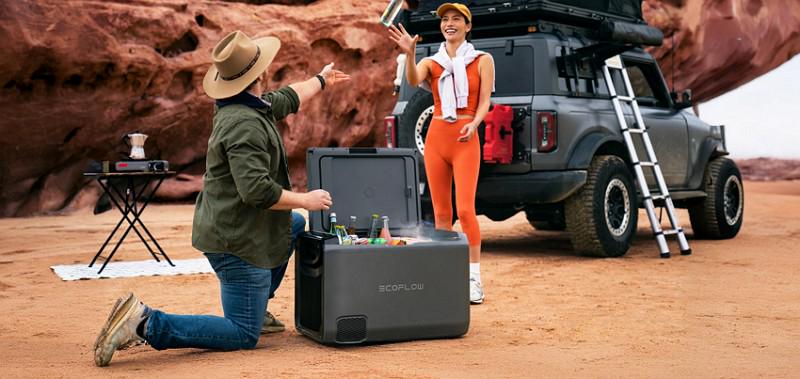
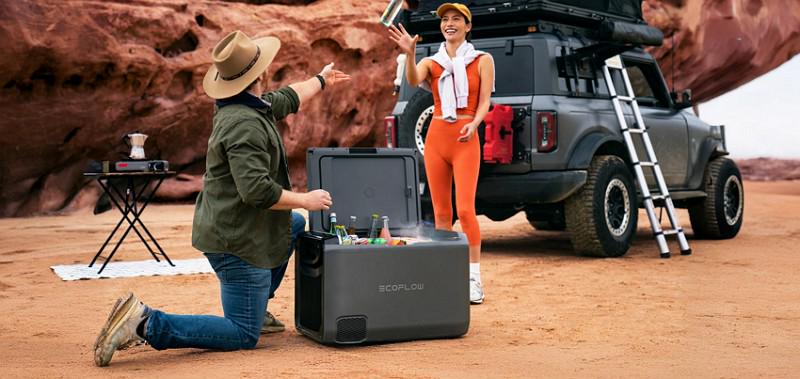
Powered refrigeration can simplify food storage when your vehicle has enough available space. The EcoFlow GLACIER Classic Portable Fridge Freezer suits multi-day camping, fishing, and RV trips. Depending on the model, it holds 58, 72, or 90 standard 330ml cans. 2-inch foam insulation helps maintain temperatures, while app control provides convenient access to temperature settings.
What Clothes Should You Bring Camping?
For what to take camping, clothing should match the forecast rather than each day. Pack layers you can add or remove as temperatures change.
Quick drying base clothing that moves moisture away from skin.
Insulating mid layer, typically fleece or a light synthetic layer.
Waterproof jacket.
Hiking shoes or suitable outdoor footwear.
Extra socks.
Dedicated sleep clothing kept dry in your bag.
Headwear suited to the season for sun protection or warmth.
Pack for the warmest part of the day and the coldest night. What feels comfortable while setting up camp may not be enough after sunset. Overnight lows determine the insulation your evening layers and sleep system should provide.
For trips requiring electricity away from hookups, OutdoorGearLab also compares several portable power stations designed for camping and outdoor use.
What Electronics and Power Should You Take Camping?
Your power needs also shape what to take on a camping trip. A phone needs little, while longer trips with several devices require more capacity.
Trip Type | Power Requirement |
Overnight Trip | Phone and a small power bank |
Weekend Campground Trip | Phone, lighting, camera and other rechargeable devices |
Multi-Day Car Camping | Larger device-charging capacity across several days |
Off-Grid Camping | Portable power plus a way to recharge it on site |
RV Camping | Higher-capacity power for appliances alongside electronics |
A power bank handles basic phone charging when deciding what to take camping. Stay a few days, and charging phones, lights, cameras, and other gear add up. Without a hookup, you also need some way to replace the power you use.
The EcoFlow DELTA 3 Max Plus brings 2,048Wh to multi-day and off-grid camps. Its AC output reaches 3,000W, while X-Boost 3.0 supports appliances up to 3,800W. Extra batteries can take total capacity from 2kWh to 10kWh.
.JPEG)
.JPEG)
What Safety and Emergency Items Should You Bring?
Safety gear belongs on any what to bring camping list, but the exact kit depends on where you are going. These basics cover the most likely problems without taking much room:
First-aid kit suited to the size of your group.
Offline map, GPS unit, or navigation that works without mobile service.
Whistle.
Multi-tool.
Emergency blanket.
Sunscreen and insect repellent.
Personal medication stored according to its label instructions.
Download required maps before leaving areas with reliable mobile or Wi-Fi service. Cellular coverage can be limited or unavailable around remote Canadian camping areas. Download the area map before you leave reliable cell coverage. It stays usable even when your phone drops off the network.
Leave your route and return time with someone before heading out. If plans go wrong, they will know where to start looking. REI’s camping essentials checklist has more packing ideas worth checking before departure.
What Extra Gear Should You Take for Different Weather?
When deciding what to take camping, adjust extra gear around expected weather conditions. Each condition below calls for specific additions rather than unnecessary equipment:
Condition | What To Add |
Rain | Waterproof jacket, extra tarp, dry storage for clothing and electronics |
Cold Weather | Warmer sleeping system, thermal layers, gloves, insulated footwear |
Hot Weather | Extra drinking water, shade cover, sun protection, portable fan |
Wind | Stronger stakes, additional guylines, a sheltered pitch position |
Hot-weather trips based around an RV, cabin, or suitable campsite can go further. The EcoFlow WAVE 3 Portable Air Conditioner can lower temperatures by 8°C within fifteen minutes. Sleep Mode operates at 44 dB, while the optional add-on battery provides 1,024Wh capacity.
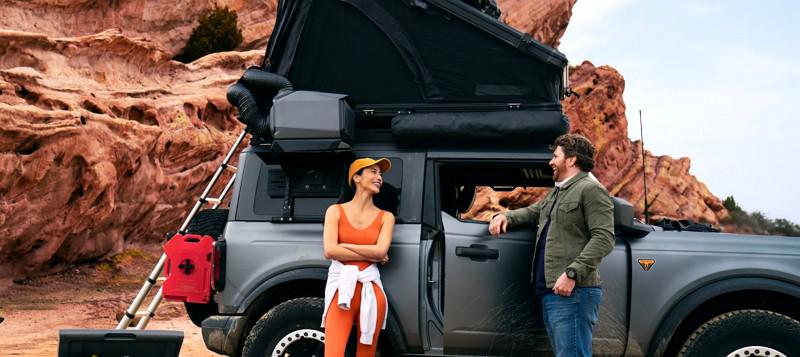
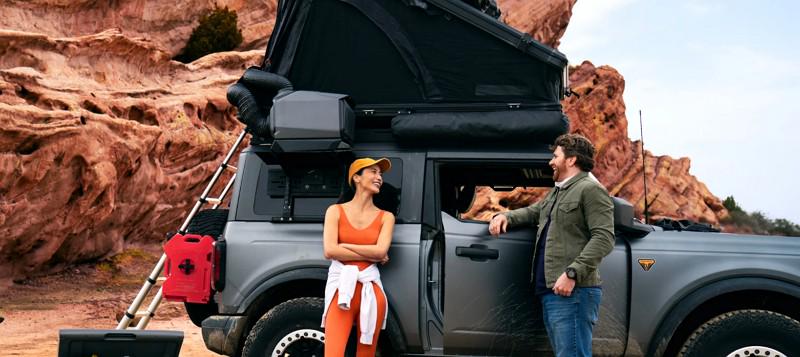
Powered cooling can provide added comfort during particularly hot camping conditions. The WAVE 3 requires its add-on battery, a compatible DELTA power source, or AC power.
What to Take on a One Night vs Multi Day Camping Trip
Your plans for what to take when going camping will change with each extra night. Longer stays bring different needs, not simply a bigger pile of gear.
Trip Length | What the List Adds |
One Night | Basic shelter, sleep system, simple food, water, lighting and safety items |
Weekend | Additional clothing, fuller cooking equipment, food storage and device charging |
Three to Seven Days | Greater food and water planning, power, extra clothing, repair supplies and weather preparation |
A week-long trip requires more planning than simply doubling weekend supplies. Food needs planning across several days while water resupply requires advance preparation. Repair supplies also become more valuable when staying farther from services. Parks Canada’s camping basics checklist provides additional guidance on essential equipment for Canadian camping trips.
What Not to Take Camping
When deciding what to take camping, leaving unnecessary gear behind matters too. Overpacking costs space, time, and effort at both ends of the trip.
Duplicate Cooking Equipment: Match cookware to your menu instead of packing unnecessary duplicates.
Too Many Clothing Changes: Reusable layers reduce the need for separate daily outfits.
Heavy Household Furniture: Camping furniture is generally easier to transport and handle outdoors.
Unnecessary Electronics: Leave devices behind unless they serve a planned purpose during camping.
Excess Food: Plan portions carefully especially when refrigerated storage space is limited.
Campground-Supplied Equipment: Avoid bringing equipment already provided at your reserved campsite.
Take a quick look at what your campsite already provides before packing. Some have water, power and picnic tables while others offer far less. REI's family camping checklist also separates core camping gear from optional items, helping you decide what deserves space.
Final Check Before You Leave for Camping
Once you know what to take camping, complete these ten checks before departure. Work through them the evening before leaving rather than rushing on the morning of departure.
Reread the forecast, paying attention to how cold it turns after midnight.
Open your booking confirmation and note which amenities come with the site.
Look up whether a fire ban is active where you are headed.
Find out whether you will need to carry drinking water in.
Pitch the tent one last time and account for every pole.
Run the stove briefly and switch on each lamp and headlamp.
Top up every battery in the kit, phones and power station alike.
Seal raw ingredients away from ready-to-eat food in the cooler.
Check first-aid supplies, expiry dates, and restock anything that is missing.
Save maps of the area for offline use before leaving reliable coverage.
Conclusion
Knowing what to take camping starts with shelter, sleep, food, and water. Weather, safety, and trip length shape the rest of your packing choices. Get those basics sorted before adding gear for extra comfort. Longer stays or remote camps may benefit from EcoFlow refrigeration and portable power solutions. Its solar charging and cooling options can support more comfortable camping trips.
Frequently Asked Questions
What are the four most important things to bring camping?
Shelter, a sleep system, water and a first-aid kit form the core. Everything else improves the trip, while those four determine whether it stays safe. A tent with its rainfly, a bag and pad matched to the forecast, enough drinking water, and basic medical supplies will carry you through most situations.
What should a beginner bring on their first camping trip?
When deciding what to take camping, beginners should start with essential shelter, sleep, food, and safety gear. Borrow equipment where practical and choose a serviced campground with basic facilities. Keep your first trip to one or two nights, then add equipment based on what you actually needed.
How many clothes should you bring for a three-day camping trip?
Plan around two base layers, one mid-layer, one waterproof jacket, three to four pairs of socks and a separate sleep set. That covers three days comfortably without a change of outfit per day. Socks and underwear are the items worth doubling, since dry feet make a noticeable difference.
What food is easiest to take camping?
One-pot meals, foods that tolerate warmth, and anything requiring minimal preparation travel best. Pasta, rice dishes, cured meats, hard cheeses, eggs, oats and tinned goods all handle campsite conditions well. Prepare and portion what you can at home, which cuts both cooking time and washing up.
What should you pack separately for easy access while camping?
Keep a small bag holding your headlamp, first-aid kit, rain jacket, snacks and phone charger within reach rather than buried in the car. Arriving after dark or in rain is common. Hunting through packed luggage for a light in those conditions is exactly what this avoids.