Things to Do in Whistler Canada Summer: Outdoor Activities and Travel Guide
Whistler is famous for skiing, but summer shows the mountains in a different light. From June through September, the snow clears to reveal alpine hiking trails, mountain lakes, bike routes, and wide-open viewpoints across the Coast Mountains. It sits about two hours north of Vancouver along the Sea-to-Sky Highway, which makes it an easy summer getaway for families, outdoor lovers, and adventure seekers.
Below, we'll walk through what to do in Whistler over the summer: hiking, biking, time on the water, camping tips, the gear worth bringing, and a few practical pointers to make your mountain trip a little smoother.
Why Visit Whistler in Summer?
While skiing tops the list of things to do in Whistler, Canada in the summer for many visitors, the warmer months reveal a completely different side of this mountain town. There's alpine hiking, time on the lakes, and long summer evenings in the village, offering more ways to explore the Coast Mountains at your own pace.
Discover Alpine Scenery
After the snow melts, the landscape opens up to reveal alpine meadows, glacier views, forest trails, and endless panoramic viewpoints. Whether you want to take in that scenery or set up a quiet off-grid camp using a compact solar generator, the hikes and lakeside walks are hard to beat.
Enjoy Longer Summer Days
June to August brings long days here, and the sunsets tend to stretch late into the evening. That leaves you more time to hike, wander the village, eat outside, or just relax by the lake after a day of activities.
Experience Local Events
Summer fills Whistler Village with festivals, concerts, and outdoor events. Two worth noting are Crankworx Whistler and the Whistler Farmers' Market, which offer excellent spots for local food, handmade crafts, and an easygoing mountain-town atmosphere.
What Are the Top Summer Activities in Whistler?
Whether you are planning active outdoor routes or relaxing things to do in Whistler, Canada in summer, the area offers exceptional options for different travel styles.
Ride the Peak 2 Peak Gondola
Suspended high above the valley floor, the Peak 2 Peak Gondola holds world records for its incredible distance and height, connecting the crests of Whistler and Blackcomb mountains. One ticket gets you 360-degree views of ancient glaciers, deep valleys, and thick rainforest. Looking down through the glass-bottomed cabins, you might catch coastal black bears picking berries far below, which happens more often than you'd think.
Hike High-Elevation Trails
If you are interested in exploring hiking trails near you around the area, stepping onto Whistler’s alpine hiking network opens up routes ranging from gentle family strolls to challenging full-day scrambles. Two standouts up high are the High Note Trail, which traces ridgelines above the bright turquoise water of Cheakamus Lake, and the Iceberg Lake Trail on Mount Sproatt. One thing to keep in mind: snow can linger on these alpine trails into early July, so proper footwear really matters.
Try Mountain Biking Adventures
The Whistler Mountain Bike Park is widely recognized for its downhill riding, offering over 200 kilometers of lift-accessed trails that cater to various experience levels. Beginner riders can take guided lessons on gentle green trails, while experienced downhillers can tackle technical rocky slabs, tight berms, and jump lines. For those not seeking steep downhill routes, a wide network of cross-country and e-bike trails winds through the valley forests and around local lakes.
Explore Whistler’s Lakes by Paddle
When the valley warms up, there's nothing quite like cooling off on Whistler's chain of freshwater lakes. You can rent a stand-up paddleboard (SUP) or kayak at Wayside Park or Lakeside Park on Alta Lake, or drift down the River of Golden Dreams — the winding channel that links Alta Lake to Green Lake. For a classic Canadian beach day, Lost Lake Park has sandy shores, grassy lawns for picnics, and dedicated swimming docks just a short walk from the village center.
| Activity | Location / Trailhead | Ideal Skill Level | Best Time of Day |
|---|---|---|---|
| Peak 2 Peak Sightseeing | Whistler / Blackcomb Gondola | All Ages / Leisurely | Morning (fewer queues) |
| High Note Trail Hiking | Whistler Mountain Summit | Intermediate to Advanced | Early Morning |
| Downhill Mountain Biking | Whistler Bike Park | Beginner to Expert | Mid-Morning to Afternoon |
| Paddling & SUP | Alta Lake & River of Golden Dreams | All Levels | Warm Afternoon |
How Do You Plan Your Whistler Summer Trip?
A little planning goes a long way. Picking the right season, planning your daily activities, and knowing how you'll get around means less time on logistics and more time enjoying the outdoors.
Choose Activities for Your Schedule
When mapping out things to do in Whistler, Canada during summer, building your itinerary around realistic travel times keeps the trip relaxing instead of rushed. Three days is enough to ride the Peak 2 Peak Gondola, complete one major alpine hike, rent bikes for a valley lake tour, and enjoy casual dinners in Whistler Village. Got five to seven days? You can add backcountry camping, whitewater rafting, or day trips to nearby Pemberton or Squamish with relative ease.
Prepare for Changing Conditions
Mountain weather in BC changes fast. A morning that starts under clear blue skies can quickly shift into afternoon showers or chilly mountain winds as elevation changes. Pack in layers: a moisture-wicking base, an insulating fleece, and a waterproof shell; additionally, keeping a reliable portable power station on hand ensures your navigation, camera, and heating devices stay powered across all elevations and weather shifts.
Organize Transportation and Costs
Getting to Whistler from Vancouver is simple along the scenic Sea-to-Sky Highway (Highway 99). Driving takes about two hours, or you can catch a comfortable shuttle bus; SkyLynx and Epic Rides both run regularly from downtown Vancouver and the YVR Airport. Whistler isn't cheap when it comes to lodging and food, but staying over in nearby Function Junction or leaning on public transit can keep the budget in check.
What Gear Do You Need for Whistler Adventures?
Pack the right clothes, safety gear, and a few outdoor basics, and you'll stay comfortable even when the weather turns.
Hiking Gear for Outdoor Adventures
When organizing your backcountry gear or basic car camping essentials, bring sturdy hiking boots you've already broken in with deep tread, as they will protect your feet on loose granite and root-covered mountain paths. A lightweight 20L to 30L daypack should hold plenty of water, some high-energy snacks, sun protection (sunscreen, sunglasses, a wide-brim hat), and one extra thermal layer for the alpine ridges where temperatures drop rapidly.
Emergency Kits for Outdoor Safety
Even on busy, well-marked day hikes, it pays to be ready for the backcountry. Carry a compact first-aid kit containing blister treatments, bandages, antiseptic wipes, a whistle, a compact multi-tool, and either an offline maps app or a topographic paper map. BC is bear country, so keep bear spray in an easy-to-reach hip holster, and know how to use it before you need to.
Portable Power Stations for Essential Charging
Out in Whistler in summer, power outlets are limited once you leave the main village stroll. A reliable portable power station lets outdoor enthusiasts recharge vital devices just about anywhere, offering greater flexibility and convenience on day trips, beach picnics, and long lakeside afternoons.
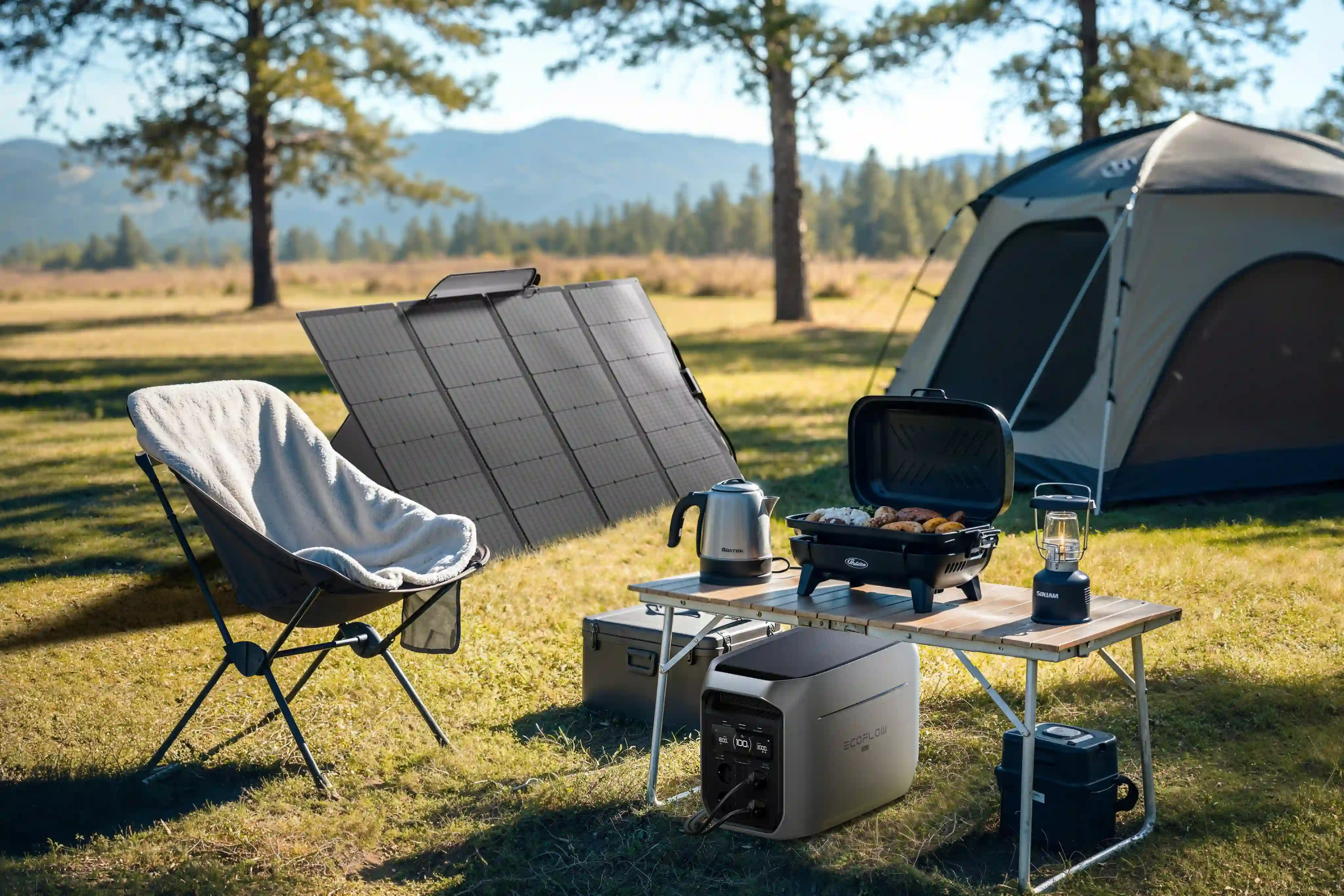
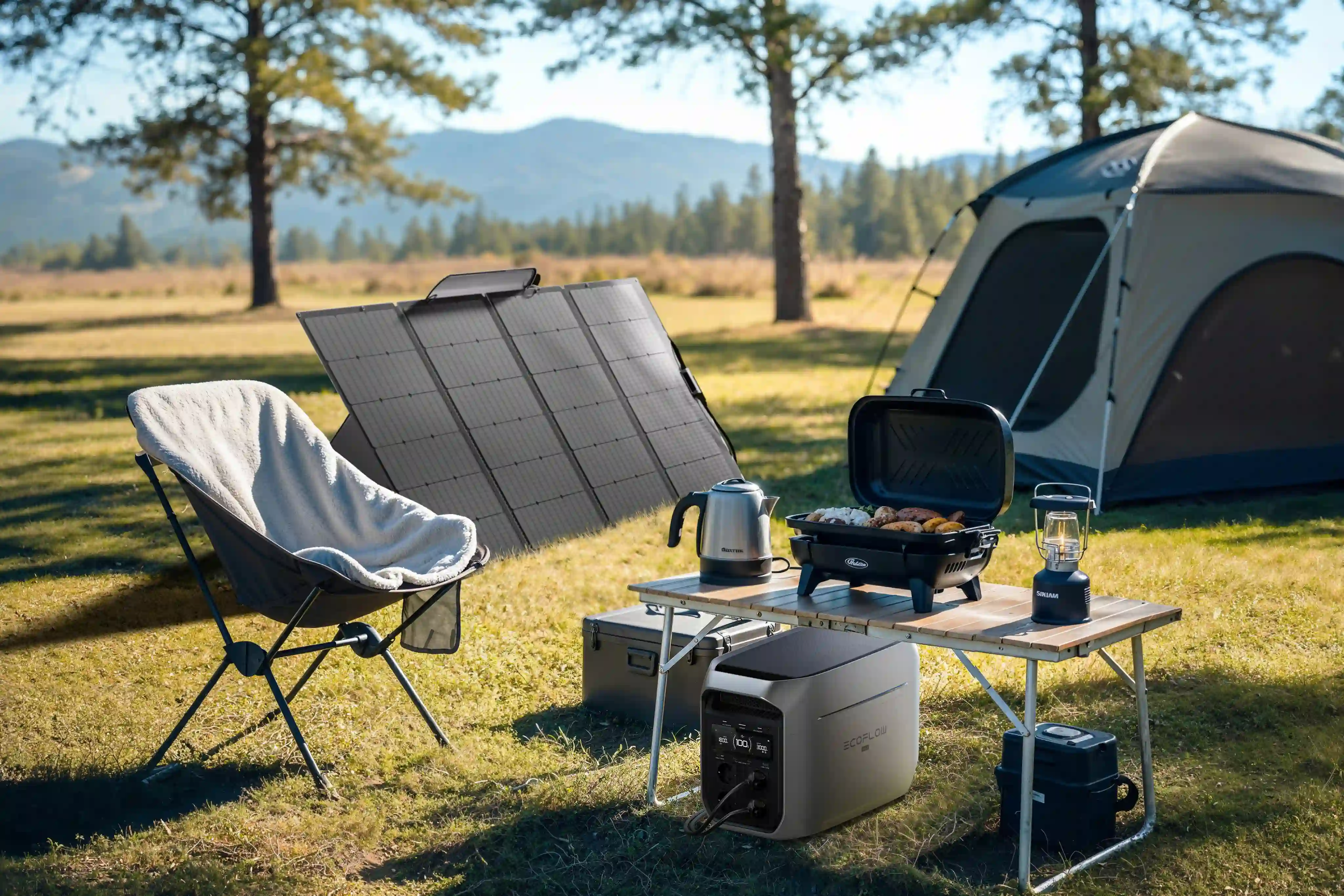
For day-use campsites, trailside photo stops, and picnics around Lost Lake, the EcoFlow DELTA 3 Classic Portable Power Station makes a solid outdoor power companion. It runs on durable battery technology that holds up well over years of regular use. The output is enough to charge phones, cameras, drones, and a portable cooler. It's compact enough to store in your trunk or carry straight to your lakeside spot, so your gear stays charged while you take in Whistler’s mountain and lake views.
High-Capacity Power Stations for Extended Trips
If you are planning multi-day camping, an overland van trip, or a deeper backcountry exploration along the Pemberton-Whistler corridor, having substantial power reserves significantly enhances the outdoor experience.
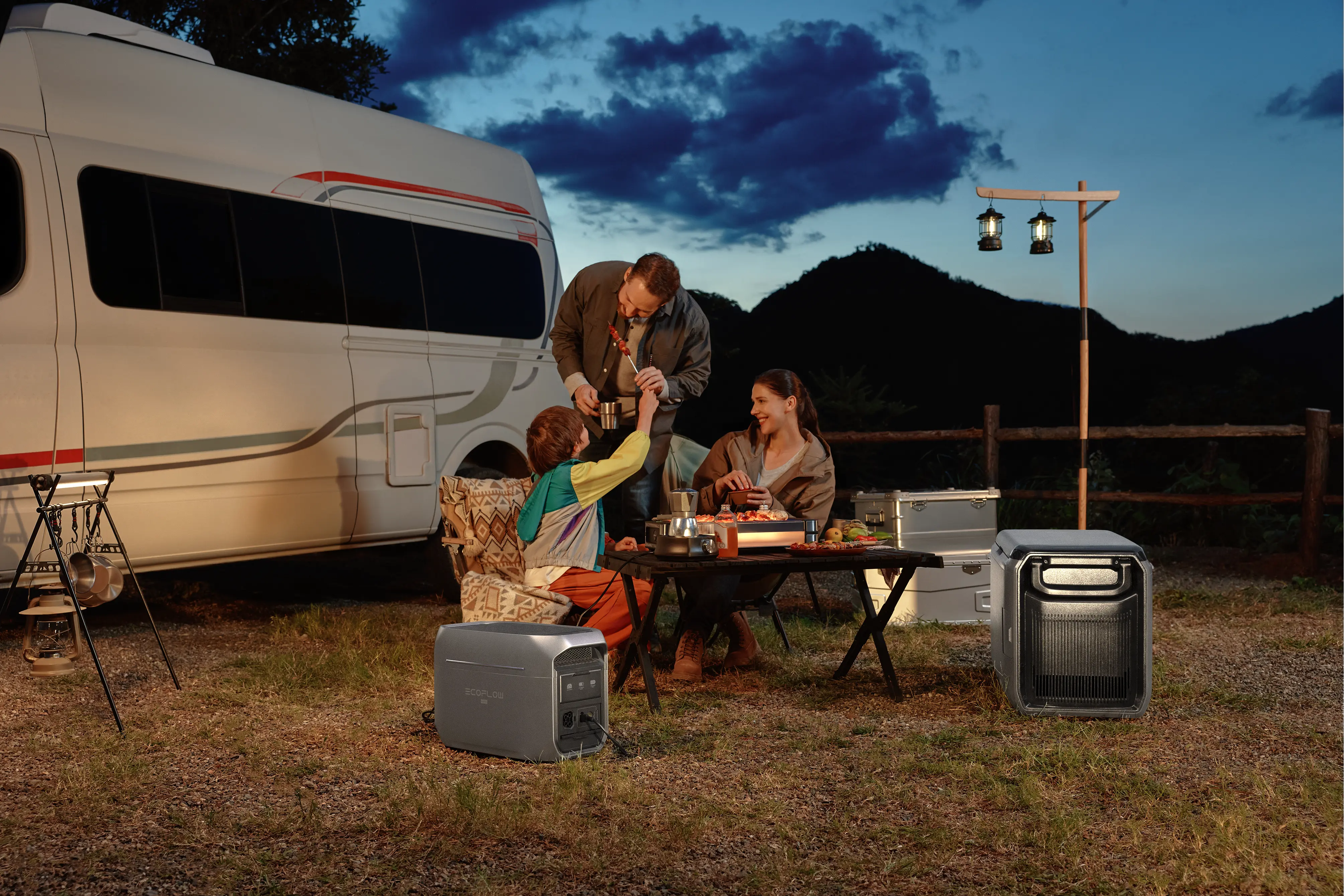
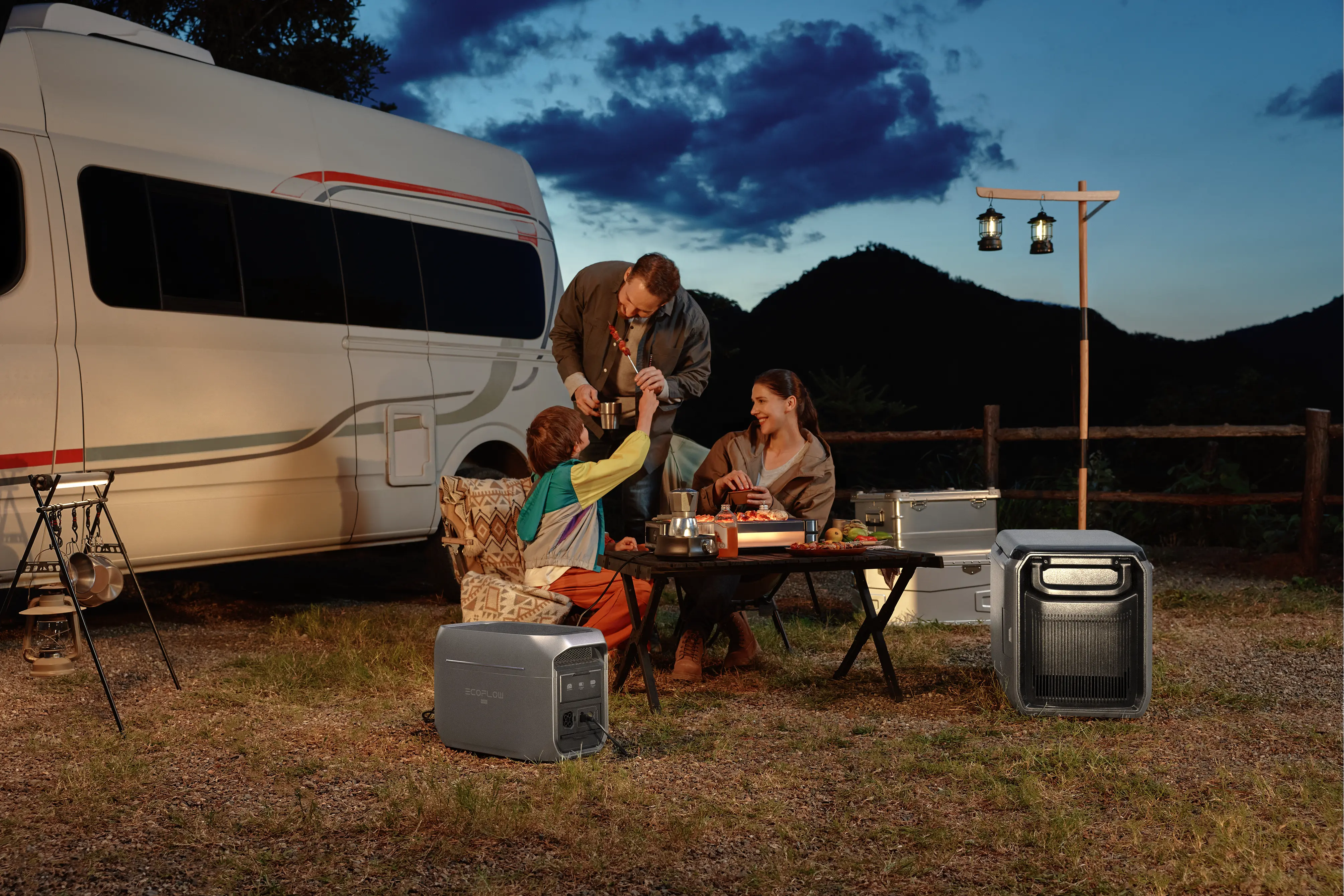
For extended off-grid stays, the EcoFlow DELTA 3 Max Plus Portable Power Station(2048Wh) delivers steady, heavy-duty electricity for demanding setups. It powers photography equipment, high-draw camping appliances, lighting, and primary electronics—reducing the reliance on public charging infrastructure or noisy gas generators. Whether returning from a demanding trek at a remote campsite or working from an RV with alpine views, this high-capacity unit delivers robust power support for your off-grid setups.
What Should You Know Before Visiting Whistler?
A safe, enjoyable trip comes down to a few basics: check the weather, get ready for wildlife, and follow the local outdoor rules.
Check Mountain Weather Forecasts
Before you head out, check the local forecast from Environment Canada and glance at Whistler Blackcomb's alpine webcams. Conditions up high can flip quickly, and the trail condition at the summit is often a different world from the warm valley you left behind.
Follow Trail Safety Guidelines
Tell someone your route and roughly when you'll be back before you set off. Stay on the marked paths — it protects the soil and the fragile alpine plants. For bears: make noise as you walk, keep dogs leashed, and never leave food or anything scented sitting out.
Protect Local Natural Areas
Whistler's ecosystems are fragile, and they depend on everyone following Leave No Trace principles. Pack out everything, even fruit peels, and watch wildlife from a distance that's safe for both of you. In the dry summer months, Whistler enforces fire bans to prevent devastating wildfires in surrounding forests.
Conclusion
Summer in Whistler mixes high-energy outdoor sports, breathtaking mountain views, and that laid-back West Coast alpine feel. Ride above the glaciers on the Peak 2 Peak Gondola, paddle a quiet lake, or set up a cozy off-grid camp with power you can count on. The opportunities for summer adventure are abundant. Plan ahead, pack smart, and show the wildlife and landscape some respect, and your Whistler summer getaway will be an extraordinary Canadian mountain journey you'll be eager to repeat year after year.
FAQ
How Many Days to Spend in Whistler in the Summer?
Three to four days is the ideal amount of time to spend in Whistler during the summer. This duration gives you sufficient opportunity to ride the main gondolas, hike high-elevation trails, enjoy water sports on Alta Lake, and experience the village dining scene without feeling rushed. If you plan on multi-day backcountry camping or extensive mountain biking, extending your stay to a full week is highly recommended.
How Busy Is Whistler in the Summer?
Whistler is very popular in the summer, often drawing visitor numbers that equal or exceed winter weekend peaks. July and August see heavy tourist traffic, particularly on weekends and during major events like Crankworx. To avoid the largest crowds, try visiting during midweek days in June or September, and aim to hit popular trailheads and gondolas early in the morning.
Do You Need a Car in Whistler in Summer?
You do not strictly need a car once you arrive in Whistler, as the village is highly pedestrian-friendly and connected by transit. Direct shuttle services connect Vancouver International Airport directly to Whistler Village. Once in town, the paved Valley Trail network makes walking, biking, and e-biking to local lakes and parks exceptionally easy, though having a car provides extra convenience if you plan to explore outer provincial parks like Joffre Lakes.
Is There a Free Shuttle in Whistler?
Yes, Whistler offers free seasonal public shuttle buses during the summer months. Transit Route 4 (Lost Lake Shuttle) provides free transit service connecting Whistler Village to Lost Lake Park throughout the peak summer season. Additionally, many local hotels run complimentary shuttle drop-offs for their guests throughout the main village area.
What's Better, Banff or Whistler?
Neither destination is objectively better, as Whistler excels in coastal outdoor action and lift-accessed mountain sports, while Banff offers classic Rocky Mountain lake vistas and vast national park drives. Whistler is ideal if you want world-class mountain biking, paddling, e-biking, and a compact, walkable pedestrian village close to Vancouver. Banff, located in Alberta, is better suited for classic road-trip sightseeing, massive turquoise glacier lakes like Lake Louise, and traditional Rocky Mountain wildlife viewing.