Summer Vacation in Canada: Outdoor Preparation and Off-Grid Travel Tips
- What Summer Vacation Destinations Can You Explore in Canada?
- What Outdoor Activities Are Popular During Canadian Summers?
- How Can You Prepare for an Off-Grid Summer Vacation?
- How Can You Improve Comfort During an Off-Grid Summer Vacation?
- Tips to Consider Before Planning a Canadian Summer Trip
- Conclusion
- FAQ
When is summer vacation in Canada? In reality, the prime season comes down to roughly sixteen good weekends. The country's best season is also its most demanding. Distances are real, cell coverage ends without ceremony, and the nearest grocery store can sit two hours behind you. From road trips through the Rockies to camping along the shore of Lake Huron, the trips that work are the ones planned around the essentials: power above all, then food storage and communication. None of it is a reason to stay home. It's a reason to show up prepared.
What Summer Vacation Destinations Can You Explore in Canada?
When shortlisting the best places to visit in Canada during summer, the initial decision involves selecting a specific region. Canada is too large for sampler platters. Once you've picked a region, these are the places that earn the drive.
Explore National Parks and Mountains
A heads-up before the scenery: personal vehicles can't go up to Moraine Lake anymore, so that visit starts with a Parks Canada shuttle or a tour, booked ahead. Banff and Jasper National Parks both run on that kind of planning through the peak weeks, when millions arrive for the same famous turquoise water. Then you get there and understand completely. Between Lake Louise and Jasper, the Icefields Parkway unspools past glaciers, alpine lakes, and bighorn sheep at the roadside pull-offs. Newfoundland's Gros Morne is a different flavour of park entirely: a boat-in fjord at Western Brook Pond, and the Tablelands, where a slab of the Earth's mantle lies rust-orange at the surface.
Visit Lakes and Coastal Destinations
Ontario's classic waterfront comes in two forms. Muskoka is dock life: swim before breakfast, coffee going cold on the railing, nobody in a hurry — all of it a couple of hours north of Toronto. Georgian Bay belongs to the paddlers, its 30,000 Islands blocking the wind and carving out a maze of sheltered channels you could explore for weeks. The east coast plays a different game. Prince Edward Island swaps granite for red sandstone cliffs, and the salt water there is some of the warmest this far north. Nova Scotia's Cabot Trail winds high along the Cape Breton bluffs, with look-offs worth every stop. Keep an eye on the water below; you might spot a breaching whale.
Plan Cottage and Cabin Getaways
Northbound, Friday afternoon, every second vehicle towing a canoe or a trailer. That's cottage season announcing itself. Ontario treats the cottage as an institution more than a building, and whole families migrate to it from June to September. Quebec runs the same ritual in the Laurentians under a different name, le chalet. Out in British Columbia, the Okanagan Valley tucks its cabins between vineyard rows and a big warm lake. However the address changes, the days don't. Coffee on the dock, a paddleboard before lunch, loons at dusk, a campfire under genuinely dark skies.
What Outdoor Activities Are Popular During Canadian Summers?
Summer evenings stretch past nine in June, and the extra light gets used. The menu is familiar for a reason: camping, hiking, road trips, fishing, and anything that floats.
Plan Camping and Hiking Adventures
First, the unglamorous part: book early. Popular parks open their reservations months ahead, and prime weekends can vanish within minutes of the window opening. Then the fun part. Algonquin Provincial Park in Ontario is built around canoe routes and linked lakes, with campsites where no road goes. Garibaldi Provincial Park near Whistler earns its views through elevation and switchbacks, with glacial lakes at the top. Families keeping the car close do fine at frontcountry campgrounds, where the basics come built in: marked sites, fire pits, washrooms.
Enjoy RV and Road Trips
Drive a full day west out of Toronto and you're still in Ontario. You don't need to drive the whole Trans-Canada Highway to feel the scale, though at close to 7,800 kilometres from Victoria to St. John's, some people do. An RV or campervan handles that scale well, especially when equipped with a versatile portable power station to keep personal electronics running off-grid. The scenery rotates through prairie sky, rock-and-lake shield country, mountains, and coastline while your bed rides along behind. Detours cost nothing. See a provincial park sign, turn in, stay a while.
Experience Fishing and Water Activities
The fishing alone justifies the drive north. Walleye, lake trout, and northern pike are the usual targets, and in Manitoba and northwestern Ontario the walleye answers to pickerel. Whatever you're after, sort the licence first. Most anglers need a provincial one, and catch limits change from lake to lake, so check the rules for where you're going. The prize is the shore lunch, your morning catch fried over a fire at noon. No rod required to justify the water, though. The Ottawa River has the white-water kayaking. The rest of the country's lakes are well-suited for paddleboarding and recreational boating.
How Can You Prepare for an Off-Grid Summer Vacation?
The off-grid part of a Canadian trip starts sooner than most people expect. Power, food stores, and basic services all thin out quickly off the main corridors, which makes two pieces of homework worth doing before you go: your real power budget, and your plan for keeping food cold.
Estimate Energy Needs Before Traveling
While a depleted phone battery presents an inconvenience, a failed refrigeration unit can lead to severe food spoilage. So before you leave, write down every device you'll actually use (phones, GPS units, cameras, LED lanterns, the portable fridge) and note the wattage on each. A typical day of that adds up to something like this:
| Device / Appliance | Typical Power Draw (Watts) | Daily Usage Estimate | Estimated Daily Load (Wh) |
|---|---|---|---|
| Smartphones & GPS Units | 10W – 15W | 2 – 3 charges per day | 60Wh – 90Wh |
| Portable Camp Refrigeration | 40W – 60W (compressor active) | 24 hours continuous (duty cycle) | 400Wh – 600Wh |
| LED Lanterns & Work Lights | 5W – 15W | 4 hours per evening | 20Wh – 60Wh |
| Laptops & Drone Batteries | 60W – 100W | 1.5 hours per day | 90Wh – 150Wh |
Keep Food Fresh During Outdoor Adventures
A standard cooler performs adequately for a short weekend trip. However, challenge arises by day three in peak summer, when ambient temperatures regularly exceed 30°C and traditional ice begins to melt. Under these conditions, fresh meat, seafood, and produce spoil rapidly, while restocking ice or groceries can take hours.
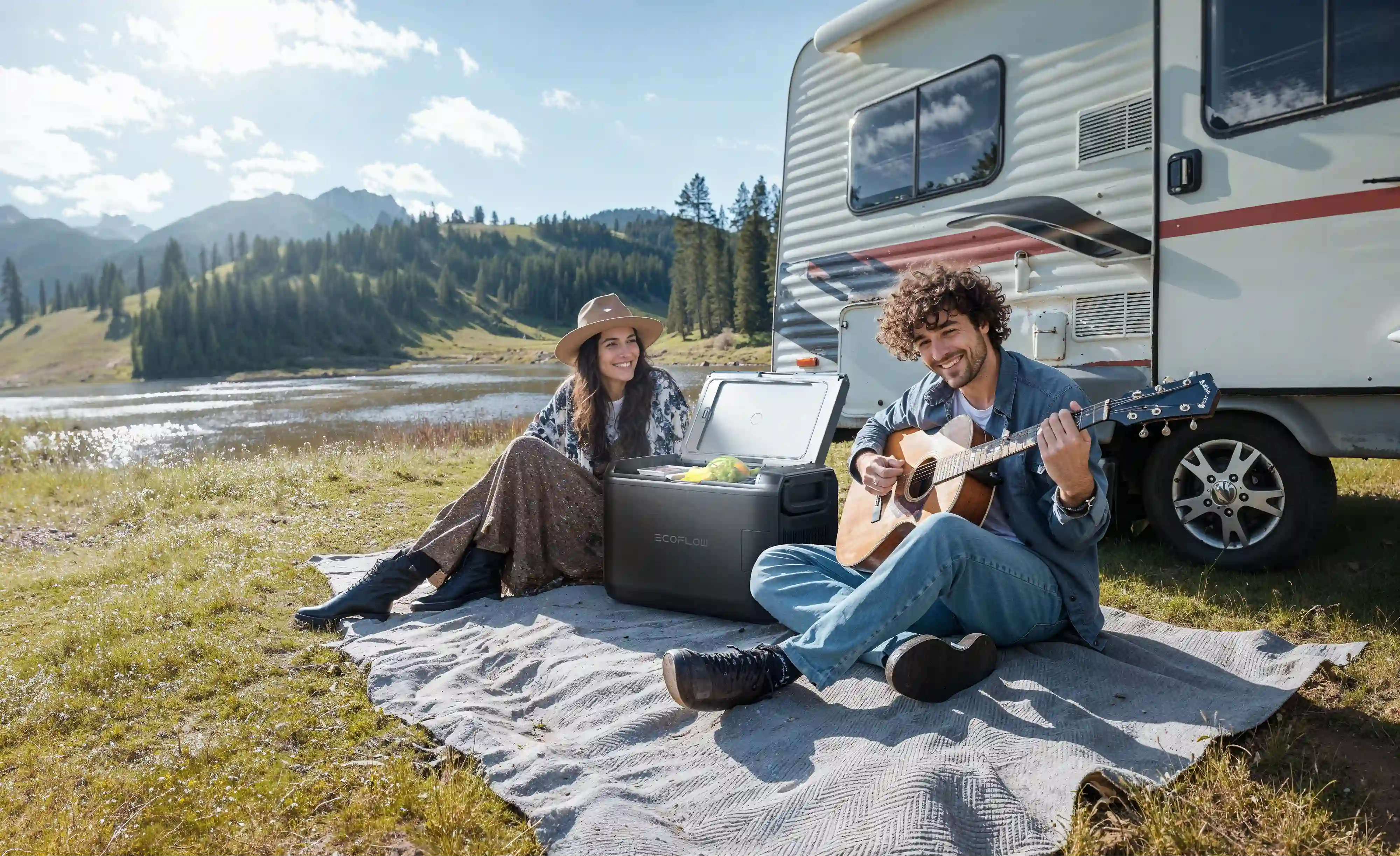
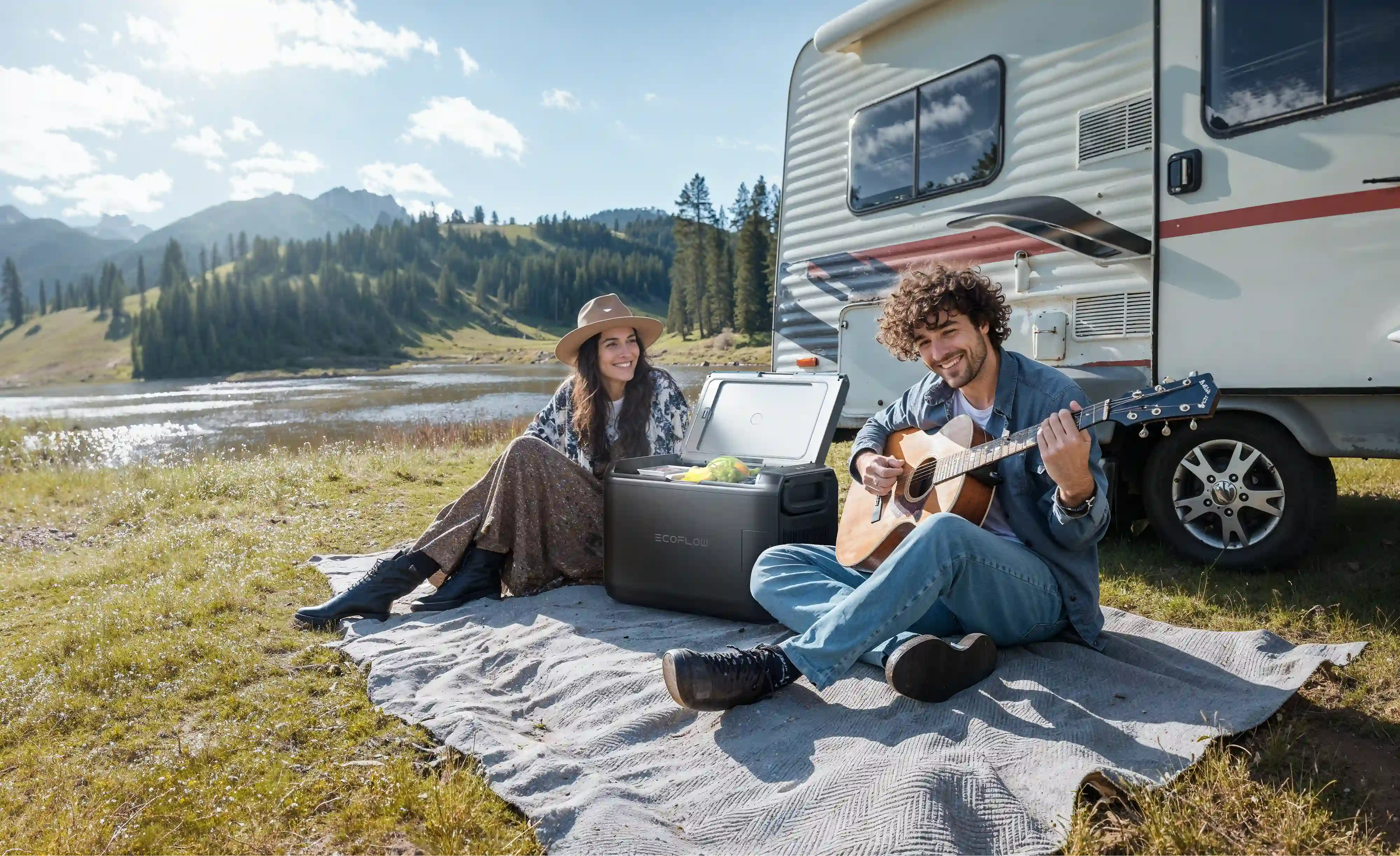
Compressor-based cooling resolves this issue by providing consistent, ice-free refrigeration. The EcoFlow GLACIER Classic Portable Refrigerator delivers reliable, compressor-driven cold storage for long-distance road trips, cottage visits, and off-grid camping. Fresh groceries stay crisp and beverages chilled thanks to multi-zone temperature controls and fast-freezing capabilities, and no space gets sacrificed to ice bags. Remote campsites are covered too: an integrated battery unit with solar charging options lets travellers maintain consistent cooling, enhancing overall travel convenience regardless of high afternoon temperatures.
Prepare Reliable Power for Road Trips
Power is the other half of the off-grid problem. A mobile setup has to cover phones, cameras, camp lights, and the fridge, through long driving days and multi-day stops with no hookups in sight.
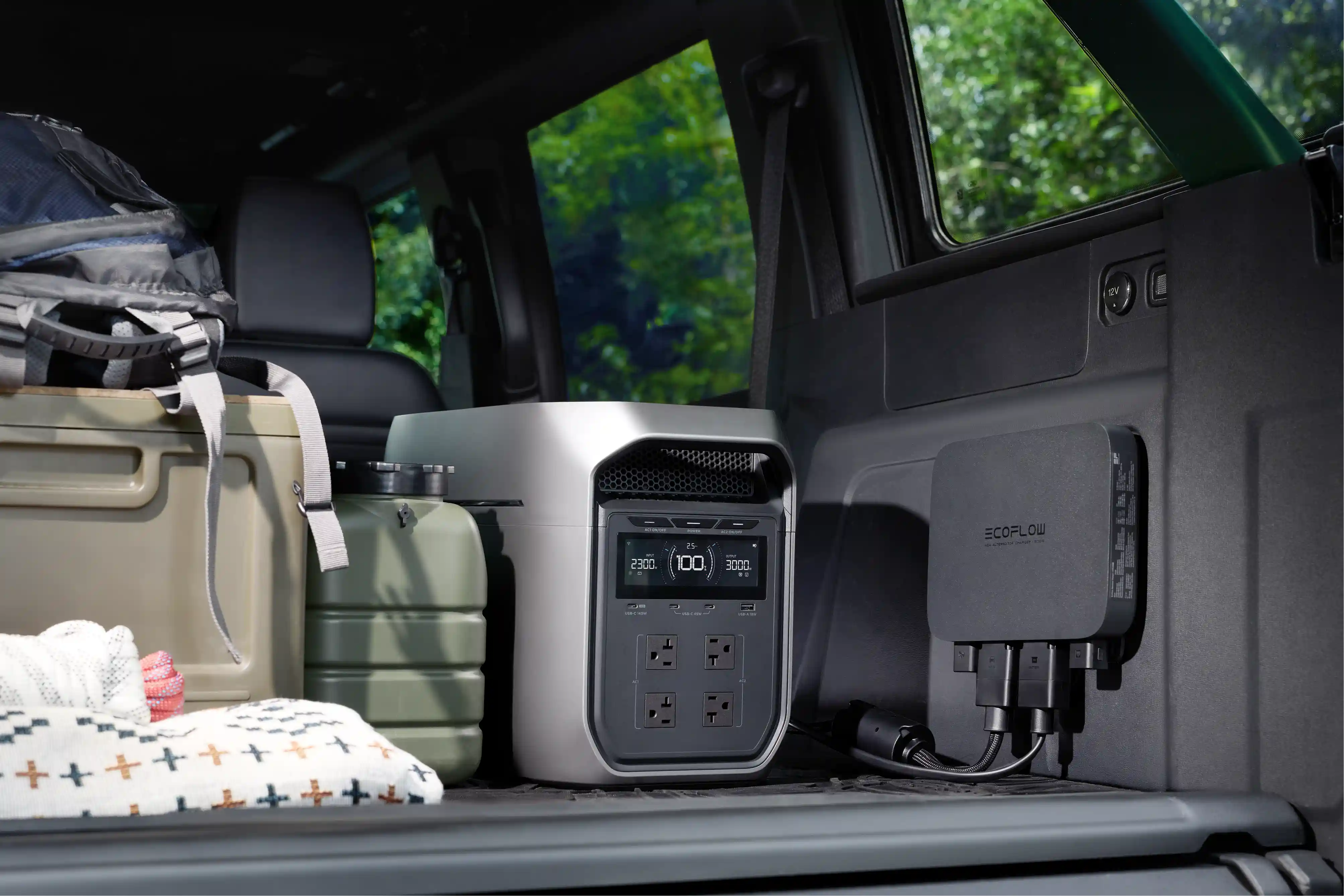
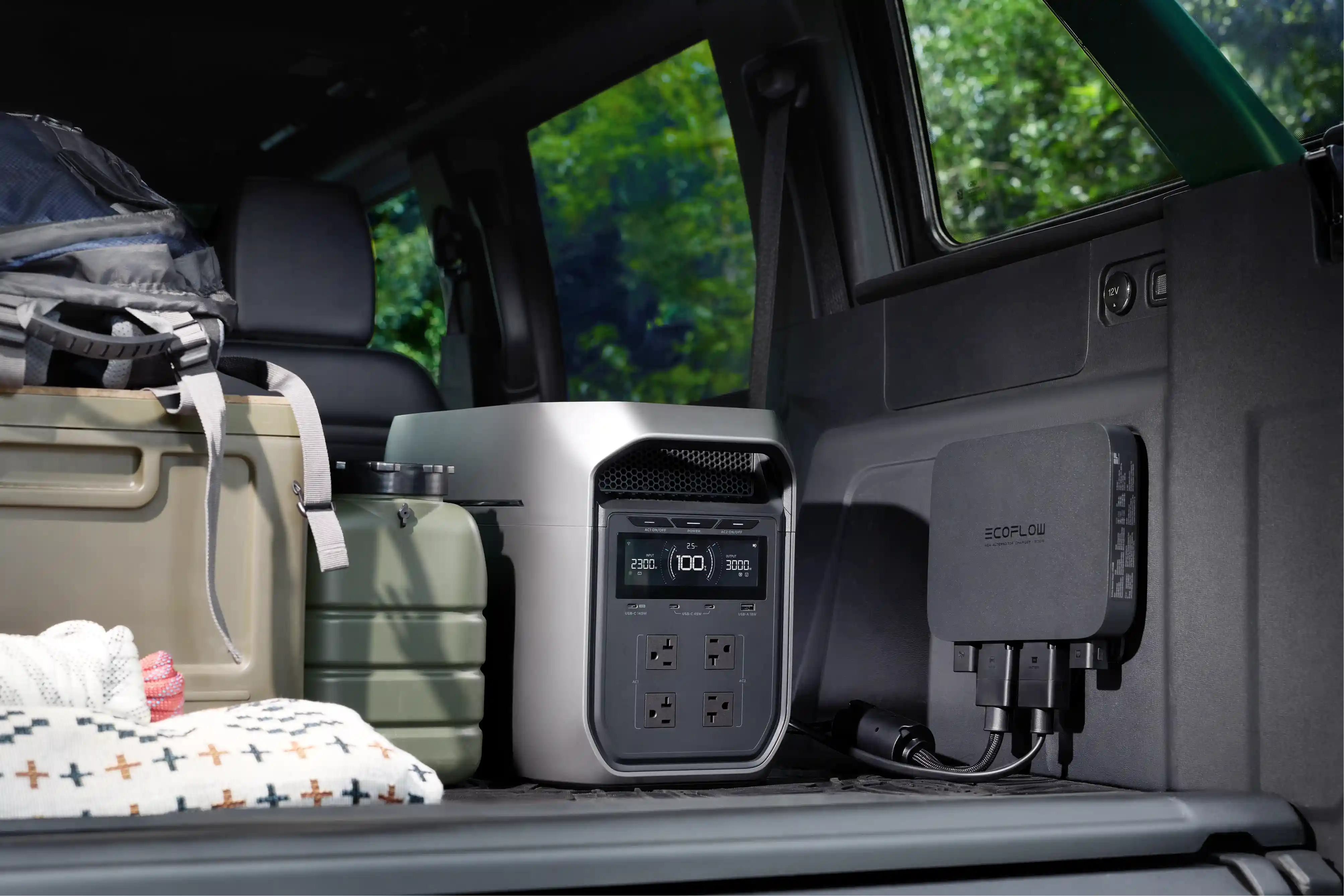
Pair with the EcoFlow DELTA 3 Max Plus (2048Wh) + 800W Alternator Charger, and the road itself becomes part of the charging plan. While you drive, the charger replenishes the power station, leaving usable capacity for the fridge, lights, and other devices. Work out that load ahead of time, and the payoff in Canada's most remote outdoor settings is real: less reliance on fixed power grids and essential gear that keeps running smoothly.
How Can You Improve Comfort During an Off-Grid Summer Vacation?
A comfortable off-grid site isn't luck. It's shade, bug shelter, decent sleep, and sensible power use through the day.
Optimize Outdoor Living Space
Put the dining shelter up before you need it. Bugs and weather decide the floor plan. Black flies do their worst in late spring, mosquitoes take over from there, and thunderstorms show up uninvited. That ordering explains the setup order too: awning and mesh bug tent first, not after the first soaking. A shaded table with chairs around it becomes the outdoor room, home base for cooking, cards, and long conversations.
Manage Daily Energy Consumption
Think of power stored in your compact power station as a daily budget. Spend it while the sun is high and the panels are replacing what you use: run the induction stove, charge the tool batteries, top up the power banks in daylight. Evenings are for low-draw living: LED bulbs instead of incandescent ones, and the fridge in eco mode while the night air does some of the cooling for free. None of this is complicated, and it stretches the time between charges.
Improve Campsite Comfort
By the fifth day of a trip, sleep quality becomes a primary factor in overall comfort. When deciding what to take with you when camping, a high-R-value sleeping pad or thick foam mattress easily earns its space in the vehicle to protect against cold ground during July mountain nights. Hygiene matters just as much by then. A compact solar shower, a camp sink with a foot pump, and a mat at the tent door keep the dirt outside, and those small things change the whole feel of a wild site.
Tips to Consider Before Planning a Canadian Summer Trip
Most trip problems up here are preventable, and the prevention happens at home, a week before you leave.
Check Weather and Seasonal Conditions
Pack for two seasons. Afternoons can hit 32°C, mountain nights can drop near freezing, and coastal fog erases everything in minutes, sometimes in the same week. So check the forecast for where you'll actually be rather than the nearest city, and pack moisture-wicking layers plus a waterproof shell whatever it says. Wildfire smoke and fire bans belong on the checklist now too; both can reshape a trip, and the ban decides whether your campfire happens at all.
Plan Travel Routes and Destinations
Cellular coverage maps do not always reflect real-world conditions in remote areas. Plenty of highways in this country run an hour or more without cell service or a fuel station. Get your offline maps downloaded while you still have signal, fuel up when the chance appears rather than when the needle demands it, and never assume the next town is close. Campsites need the same thinking. Parks Canada and the provincial platforms open bookings months ahead, and the good spots go early.
Prepare Emergency Supplies and Tools
When compiling a comprehensive road trip packing essential list, emergency supplies should always be positioned where they are easy to reach. In bear country, add bear spray and the knowledge to store food and handle an encounter. The rest applies everywhere: a real first-aid kit, a multi-tool, extra non-perishable food, a satellite messenger for the dead zones. A portable tire inflator and booster cables cover the highway side. A breakdown far from the nearest town is where having these emergency tools can prove invaluable.
Conclusion
The Canadian summer rewards the prepared, and it humbles the casual, usually politely. Sort the power, the cold storage, and the route before you leave, and the rest of the trip gets easier: the mountain passes, the quiet docks, the campsites with real night skies. Sixteen weekends. Make a few of them count.
FAQ
Which Canadian City Is the Most Affordable to Visit?
Montreal and Quebec City, most years. Transit is cheap, eating well doesn't have to cost much, and a good chunk of the summer calendar is free festivals and street life, with historic architecture you absorb just by walking around.
Where Can I Park Overnight for Free in Canada?
It depends on the province and the land. Crown land is the classic answer for boondocking: Canadian residents can camp free on most of it for up to 21 days at a stretch, and other provinces run their own versions of the same idea. Some rest areas and businesses allow a night, some don't. Read the posted signs, because assumptions get expensive.
How Much Does the Average Canadian Spend on Vacation?
A week of domestic summer travel varies widely depending on how you travel. Campsite stays and self-catered road meals pull expenses down significantly, while luxury resorts and guided tours push overall costs well into high-end territory.
How Many Days Are Enough for a Canada Trip?
10 to 14 days is enough to explore one region properly. Canada is too big for a sampler trip. Pick a corner, the Rockies, Ontario's cottage country, the Atlantic coast, and give it the full window.
How to Stay Connected to the Internet While Traveling?
A local travel eSIM covers the main corridors. Past them, satellite is the honest answer: a Starlink Mini for real internet, or downloaded offline maps plus a handheld satellite communicator if all you need is navigation and a lifeline.