Quiet Electric Generator Guide: Find the Most Silent Models for 2026
A quiet electric generator can make a huge difference when you're camping, working outdoors, or preparing for a power outage at home.
Advances in battery powered generators now make it possible to run essential devices without the constant engine noise that comes with older gas models. For campers, RV travellers, and homeowners looking for reliable backup power, silent operation makes a noticeable difference in comfort and usability.
In this guide, we’ll break down what actually counts as a quiet generator, explain how decibel levels translate to real world noise, and highlight some of the best low-noise electric generators available in 2026, so you can keep the power on without disturbing the peace around you.
How Many dB Is Considered a Quiet Generator?
Newer battery powered generators have pushed noise levels even lower. Many modern portable power stations run at around 30-50 dB depending on the load, which is significantly quieter than traditional gas models. In everyday terms, that’s closer to the sound of a quiet library or light rainfall outside your window. Most of the noise comes from small internal cooling fans rather than a combustion engine.
For reference, sound charts often place 30 dB at about the same level as the background noise in a quiet bedroom at night. That’s why many battery powered generators are often described as “near-silent” in real-world use, especially when they’re powering smaller devices like laptops, lights, or phone chargers.
What Are the Benefits of a Silent Generator?
Choosing a silent generator isn’t just about being considerate to people nearby. It can also change where and how you use portable power, especially in environments where noise quickly becomes noticeable.
Reduced Noise Pollution in Residential Areas
In growing cities like Toronto or Montreal, sound tends to echo between buildings and travel farther than expected. A quiet generator allows you to power essential appliances during an outage without adding extra noise to the neighbourhood, acting as a reliable backup power generator for home.
Improved Comfort for Camping and RV Use
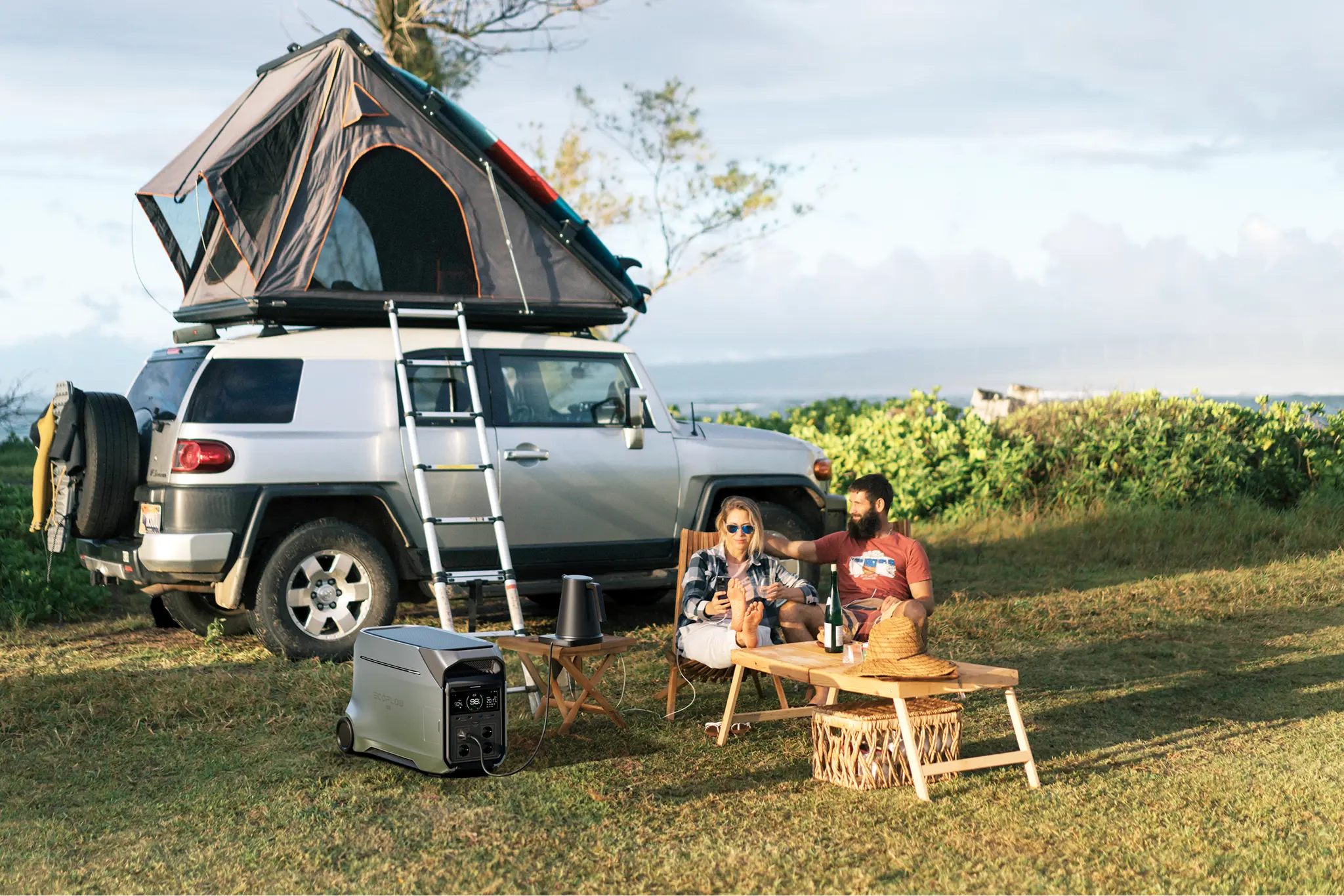
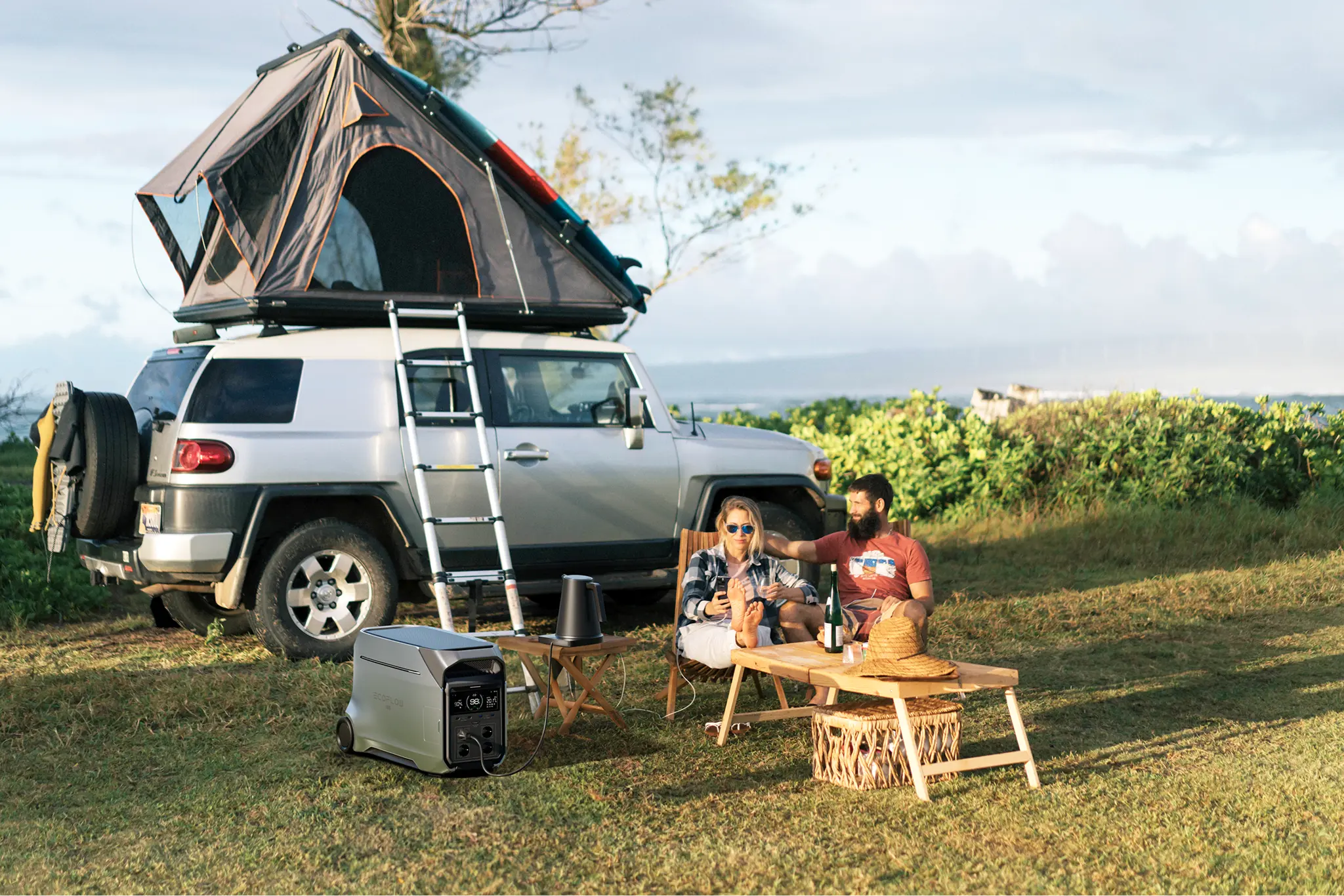
Most people head to places like Banff or Jasper for the scenery and fresh air, not the sound of an engine running all evening. A silent generator lets you charge devices or run small appliances while still keeping the campsite calm and relaxing.
Compliance with Local Noise Regulations
Many Canadian provincial parks and private campgrounds enforce strict quiet hours, especially overnight. Electric generators typically run quietly enough that they’re far less likely to violate these rules, allowing you to keep power available without disturbing others nearby.
Better Suitability for Indoor or Semi-Enclosed Spaces
Gas generators must stay well outside because of exhaust fumes. Electric generators produce no emissions, which means they can safely operate in places like a garage workspace, cabin, or van build where ventilation might be limited.
Lower Operational Stress and User Fatigue
Constant background noise can become tiring over time, even if it’s not extremely loud. A quieter power source helps create a more comfortable environment, whether you’re working remotely, camping off grid, or waiting out a winter power outage at home.
How to Choose the Best Quiet Electric Generator in 2026
With so many options available today, it’s important to look beyond the “silent” label and focus on the specifications that actually match your needs.
Evaluating Wattage and Surge Capacity
Wattage (W) determines what devices you can power. Make sure the running wattage is enough for your everyday appliances, while the surge capacity can handle the brief startup demand of equipment like refrigerators or sump pumps.
Assessing Battery Capacity (Wh)
Battery capacity, measured in watt-hours (Wh), determines how long your devices can run. If you’re preparing for a longer outage, such as during a winter storm in Ontario, a higher Wh rating helps reduce the need for frequent recharging.
Comparing Recharge Options (AC, Solar, Car)
A quiet generator is only practical if it can be recharged easily. Look for models that support fast AC charging at home as well as solar input, making them a versatile solar generator for off-grid situations. Some units also allow charging from a vehicle while travelling.
Considering Portability and Weight
Portability matters if you plan to move your generator often. Whether you're packing for a camping trip or boarding a ferry to Vancouver Island, lighter models are easier to transport. Advances in lithium battery design have made many 2026 units noticeably lighter than older portable generators.
Estimating Runtime Expectations
It’s always helpful to estimate runtime before buying. A simple rule is to divide the generator’s Wh capacity by the total wattage of the devices you plan to run. For example, a 1000Wh generator can typically power a 100W laptop for around 10 hours, accounting for normal efficiency losses, a useful reference when doing a generator runtime comparison by type.
What Are the Best Quiet Electric Generators in 2026?
The portable power market has been shifting quickly toward high efficiency lithium battery technology, and one of the biggest advantages is how quiet these systems have become. Unlike traditional gas generators that rely on combustion engines, modern electric generators run on battery power and cooling systems, which dramatically reduces noise. Below are some of the quietest portable power stations in 2026 that balance low noise, strong output, and practical everyday use.
EcoFlow Delta Pro Ultra
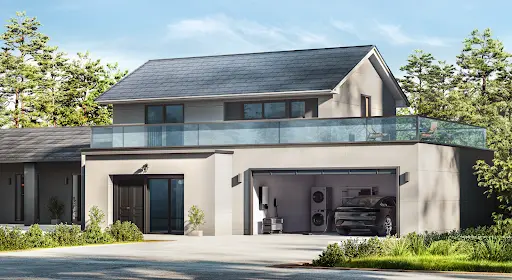
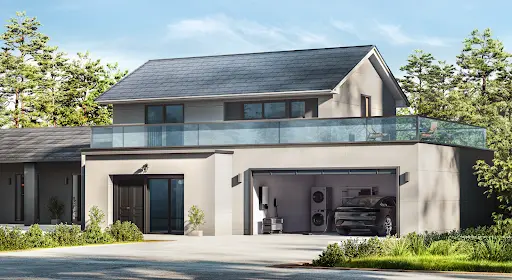
For homeowners looking for serious backup power without the constant rumble of a gas generator, the EcoFlow DELTA Pro Ultra stands out as one of the quietest large capacity systems available. Operating at ≤30 dB under typical loads, it runs quieter than many household appliances. Instead of the loud startup roar you’d expect from a traditional generator, the system stays remarkably subtle while powering essential circuits during an outage.
Its modular design is built for long-duration backup. Capacity can scale from 6kWh up to 90kWh, which makes it capable of supporting everything from refrigerators and lighting to larger home systems during extended outages. In real world situations, like winter storms or grid failures, it provides dependable power without turning your home into a noisy job site.
EcoFlow DELTA Pro 3 Portable Power Station
For people who want strong output with much better portability, the EcoFlow DELTA Pro 3 Portable Power Station offers a practical balance. Equipped with X-Quiet technology, it can operate at around 30 dB under loads below 2000W, making it noticeably quieter than most traditional generators and even quieter than some everyday kitchen appliances.
That low noise level makes it especially appealing for RV travel, backyard projects, or mobile work setups where constant engine noise can quickly become distracting. Despite its quiet performance, it still delivers up to 4000W of output, allowing it to handle power tools, appliances, and other high-demand equipment while keeping the environment much more comfortable.
Anker SOLIX C1000: A Quieter Alternative to Traditional Generators
Another strong option in the portable category is the Anker SOLIX C1000. This battery powered generator maintains relatively low noise levels compared with gas powered models, making it a solid choice for situations where quieter operation matters.
While the cooling fans may become slightly more noticeable during heavier loads, the overall sound profile is still far less intrusive than a conventional generator engine. With its compact design and dependable output, the C1000 works well for camping trips, outdoor workstations, or emergency kits at home, where portability and quieter power are both important considerations.
| Feature | EcoFlow Delta Pro Ultra | EcoFlow DELTA Pro 3 | Anker SOLIX C1000 (Gen 2) |
|---|---|---|---|
| Best For | Whole-Home Backup & Off-Grid | RVs, High-Power DIY & Backup | Weekend Camping & Emergency Kit |
| Noise Level | ≤30 dB (Silent under 2kW) | ≤30 dB (Under 2kW load) | ~20 dB (Under 200W load) |
| AC Output | 7,200W (Expandable to 21.6kW) | 4,000W | 2,000W (3,000W Surge) |
| Capacity | 6kWh (Expandable to 90kWh) | 4kWh (Expandable to 12kWh) | 1,024Wh (Fixed) |
| Charging | 5.6kW Solar / Multi-charge | 2,600W Solar / EV Charging | 600W Solar / 49-min AC Wall |
| Portability | Modular (Requires setup) | Built-in wheels & handle | Ultra-portable (24.9 lbs) |
Quiet Electric Generators vs. Gas Generators: What’s the Difference?
If you’re deciding between a traditional pull-start gas generator and a modern electric model, it helps to compare how they perform in everyday use.
Noise Comparison
Electric generators are significantly quieter. Gas generators rely on internal combustion engines, which naturally produce engine noise and vibration. Electric models, on the other hand, operate using battery power and cooling fans, which results in much lower noise levels.
Maintenance Requirements
Gas generators require regular maintenance, including oil changes, spark plug replacements, and fuel management. Electric generators are much simpler to maintain. Aside from keeping the battery charged and stored properly, there is usually very little routine maintenance involved.
Indoor Safety
Gas generators must always be operated outdoors because they produce carbon monoxide, a dangerous and potentially fatal gas. Electric generators produce no emissions, which makes them safe to use indoors when needed, such as during a home power outage.
Emissions and Environmental Impact
Electric generators produce zero emissions while operating. When paired with solar panels, they can run entirely on renewable energy. Gas generators, by comparison, burn fuel and release exhaust gases during operation.
Long-Term Operating Cost
While electric generators often cost more upfront, their long term operating costs are typically lower. Charging a battery costs far less than repeatedly buying gasoline, and electric models avoid many of the maintenance expenses associated with gas engines.
Conclusion
By 2026, the loud rumble of traditional generators is starting to feel outdated. With quieter battery technology now widely available, a portable power station no longer has to interrupt the calm of a campsite or the comfort of your home. In a country as vast and scenic as Canada, quiet power simply fits better with the way many people travel and live, letting you keep the lights on while the only real sound around you is the wind moving through the trees.
FAQ
1. Will a 1000W generator run a refrigerator?
In many cases, yes. A 1000W generator can usually run a modern energy efficient refrigerator, as long as the generator provides enough surge capacity to handle the compressor startup. When the fridge first turns on, the power draw can briefly double or even triple before settling back down.
2. Would a 20kW generator run a house?
Yes. A 20kW generator is typically capable of powering an average-sized home, including higher demand appliances such as central air conditioning, electric stoves, and water heaters, depending on how many devices are running at the same time.
3. Is it okay to leave a generator running all night?
Electric generators can safely operate overnight because they produce no exhaust emissions. This makes them suitable for indoor use during power outages. Gas generators, however, should never be run indoors or in enclosed areas due to the risk of carbon monoxide poisoning.
4. What is the 20/20/20 rule for generators?
The 20/20/20 rule is a safety guideline for gas generators. It suggests placing the generator at least 20 feet away from your home, allowing it 20 minutes to cool before refueling, and avoiding operation in heavy moisture conditions without protection. Electric generators are not affected by the exhaust and refueling parts of this rule.
5. Are inverter generators quieter than conventional generators?
Yes. Inverter generators are generally quieter than conventional gas generators because they can adjust engine speed based on power demand. However, they are still louder than battery powered electric generators, which operate without combustion engines.