Outdoor Projector Guide: Features, Setup, and Power Options
A projector, a screen, and a decent speaker are all it takes to move movie night out of the living room. The backyard, the dock, the campsite: anywhere the Canadian summer cooperates, reducing the need for indoor outlets once a proper power solution is in place.
This guide covers how to choose an outdoor projector, set it up, size the power supply, and keep the gear alive outside.
Why Are Outdoor Projectors Popular for Canadian Summers?
Canada only gets a short run of warm evenings, roughly June through September, so spending one indoors feels like a waste. A projector moves the whole night’s entertainment outside — the film, the playoffs, the gaming session — without anyone giving up the comforts of home.
Create Backyard Movie Night Experiences
When planning how to host outdoor movie night gatherings, pairing a screen with comfortable seating and an open-air speaker transforms an ordinary weeknight in the yard into a proper cinema experience. The same setup easily handles a Saturday sports game or a late-night console session once the house settles down.
Enjoy Entertainment During Camping Trips
Camping is where a compact projector really proves itself. Setting up a campsite theater simply requires a flat projection surface and a dependable power source. For campsites without electrical hookups, download movies or shows in advance and use a portable power station to avoid relying on campground Wi-Fi.
Upgrade Cottage Outdoor Spaces
Cottage life is made of shared rituals, and a projector fits right into various outdoor birthday party ideas or family celebrations, turning the deck into a second living room after dark. Hang a screen on the bunkie wall or the boathouse deck to bring cinema magic directly to your dock for movies, sports, or casual gaming.
What Features Should You Consider When Choosing an Outdoor Projector?
A living room is a controlled environment. A backyard at dusk isn’t. When searching for the best outdoor projector, factors like streetlight glare, uneven ground, and cooling evening air all work against the picture, and the specifications below are the ones that decide whether the image holds up.
| Feature | What to Consider | Good Starting Point for Outdoor Use |
|---|---|---|
| Brightness | Depends on ambient light and screen size | Higher brightness for dusk or larger screens; lower brightness can work in dark settings |
| Resolution | Affects image detail on larger screens | Native 1080p for most setups; 4K for higher detail |
| Portability | Important if you move the projector frequently | Compact design with a carry handle or case |
| Connectivity | Determines which devices you can use | HDMI, USB, Wi-Fi, and Bluetooth |
| Keystone/Focus | Helps align the image on uneven surfaces | Auto-keystone and auto-focus are convenient |
Check Brightness and Image Quality
You can’t dim the streetlights or ask the neighbour’s porch lamp to switch off, so brightness does most of the work outdoors, and a unit that looks plenty bright in the basement can wash out completely at dusk. Key specifications that define a good outdoor projector include high brightness for dusk and sharp resolution so fine detail stays readable. Dark rural campsites get by on far less; big screens and lit yards demand more.
Consider Portable Projector Designs
Some setups live on the patio. For an outdoor movie projector setup that travels between campsites and tailgates, weight and shape matter as much as picture quality. Key features worth looking for include a built-in carry handle, an integrated lens cover, and a tripod thread on the base for levelling on grass or rock.
Review Connectivity and Smart Features
The port to insist on is HDMI, since streaming sticks, laptops, and game consoles all run through it; while USB and Bluetooth offer additional media and audio connectivity. Built-in smart platforms only pay off when the Wi-Fi cooperates, and outdoors it usually doesn’t. Heading beyond reliable coverage? Load your content onto a device in advance and treat streaming as a bonus.
Evaluate Outdoor Durability Factors
Summer evenings cool off fast, and dew settles on everything, electronics included. Most consumer projectors are built for temporary outdoor use, not rain, not weeks of humidity. A solid enclosure and decent ventilation help, and so does a design you can carry inside at the first hint of rain. When a site stays damp, adhere strictly to the manufacturer’s weather resistance and operating guidelines. The rule doesn’t change under a covered patio or gazebo. Rain, direct moisture, and heavy condensation still get in.
How Can You Set Up an Outdoor Projector System?
Throw distance, wind, and sound that carries are key factors for a successful setup. Sort them in daylight and you won’t be troubleshooting in the dark.
Choose the Right Outdoor Location
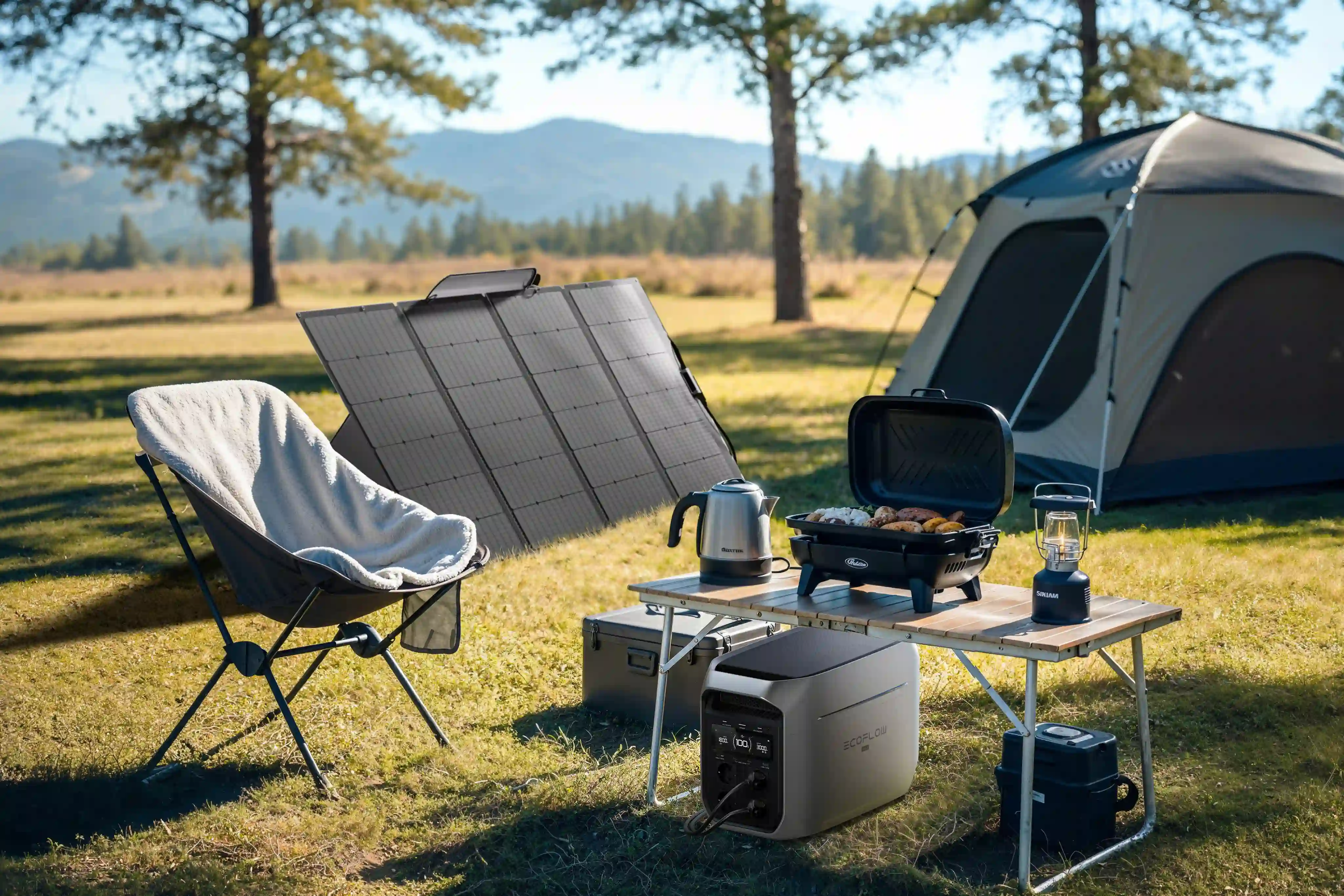
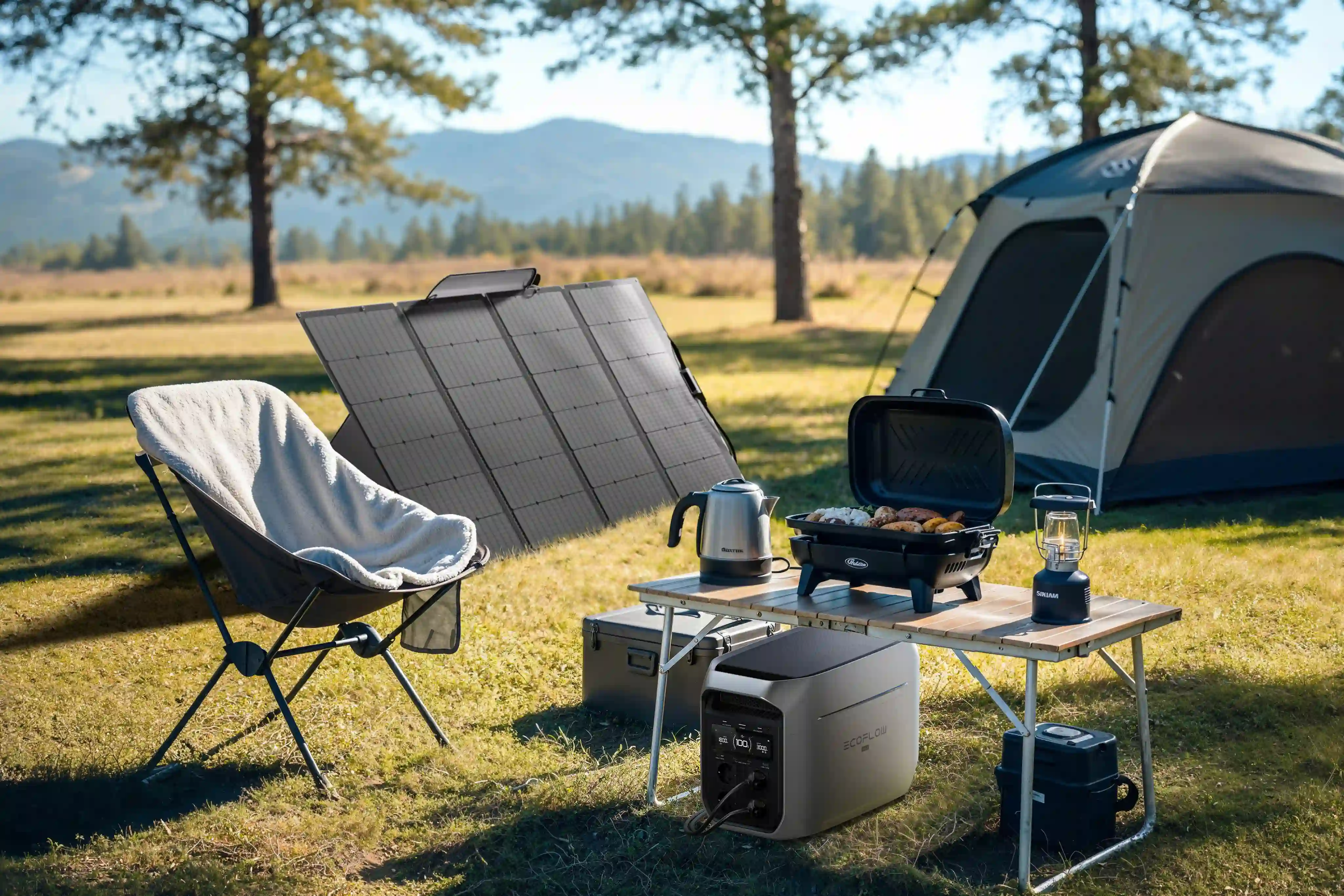
Pick a sheltered pocket of the lawn or deck where streetlamps, porch lights, and the neighbours’ windows won’t wash out the image. Wind matters just as much. With a wall, fence, or hedge behind it, the screen fabric won’t spend the evening flapping in the breeze. Placing a quiet solar generator nearby allows you to power the projector and audio equipment seamlessly without running long extension cords across the grass.
Prepare Screens and Audio Equipment
A clean white vinyl wall will do in a pinch, but a dedicated outdoor projector screen made of wrinkle-free polyester or PVC does better, providing a visible jump in contrast and gain. Whatever you use, anchor it securely: stakes on grass, sandbags on the deck. For sound, the speaker built into a projector rarely gets loud enough outdoors. A waterproof Bluetooth speaker or a compact soundbar sitting directly under the screen provides clear, directional audio performance.
Arrange Streaming and Device Connections
Streaming sticks plug straight into the HDMI port, and laptops or consoles connect over a high-speed HDMI cable. Beyond home Wi-Fi range, the night’s films should already live on a tablet, USB drive, or phone. Nobody enjoys a buffering wheel mid-scene, which is a common risk when relying on unstable mobile data.
How Can You Power an Outdoor Projector Without Outlets?
Out at the back of the yard, at the end of the dock, or on a non-electric provincial park site, the nearest wall outlet stops being part of the plan. Running extension cords across the grass means tripping hazards after dark, and the screen ends up wherever the cord reaches instead of where you want it.
Estimate Outdoor Power Requirements
To determine total energy consumption, add the rated wattage of everything you'll run, and multiply by the hours of use.
Two hours of a 150W projector plus a 30W speaker comes to about 360Wh before conversion losses, and a streaming stick nudges the total higher. Size everything off the labels on your own equipment, because those numbers beat any generic range.
Choose Portable Power Solutions
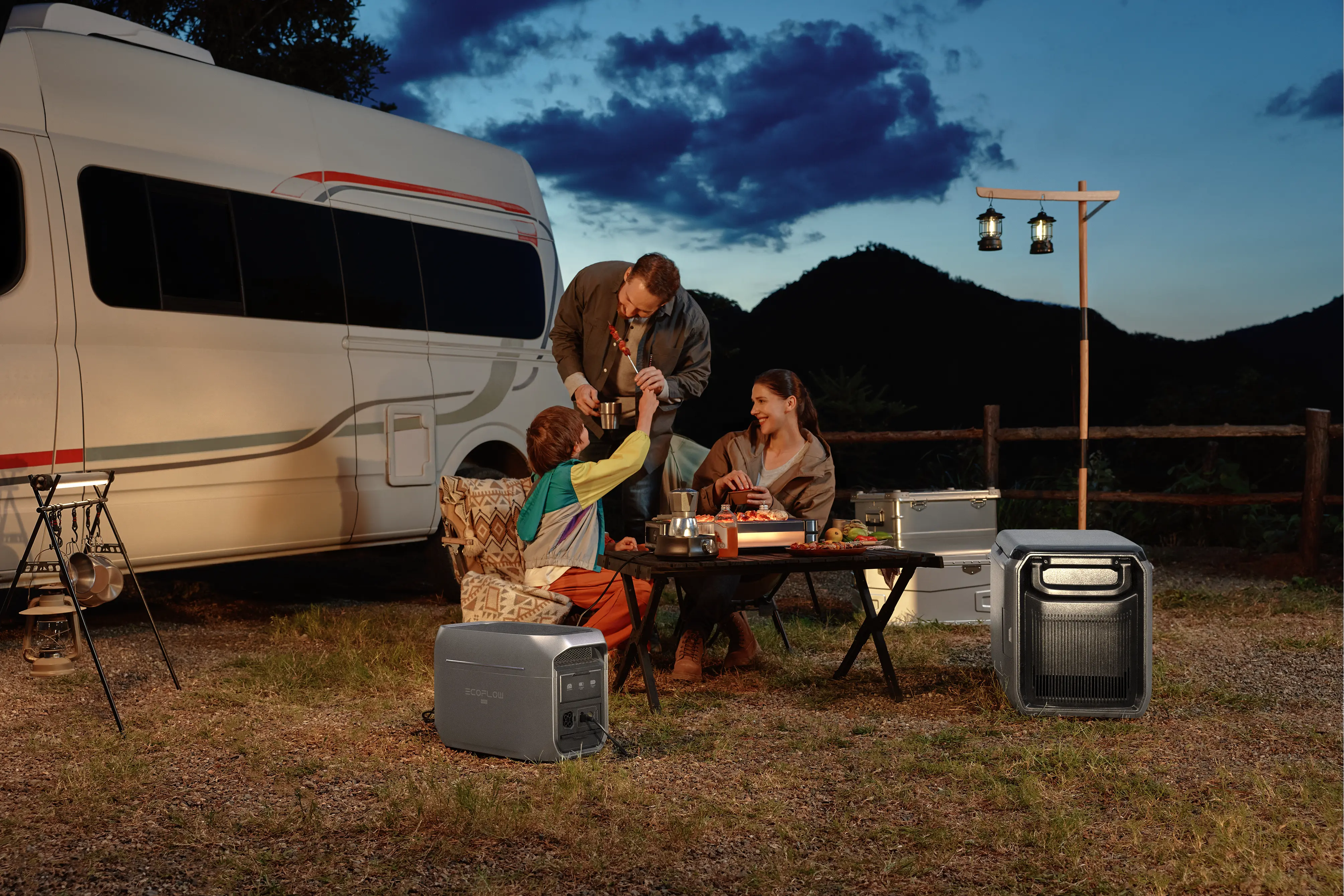
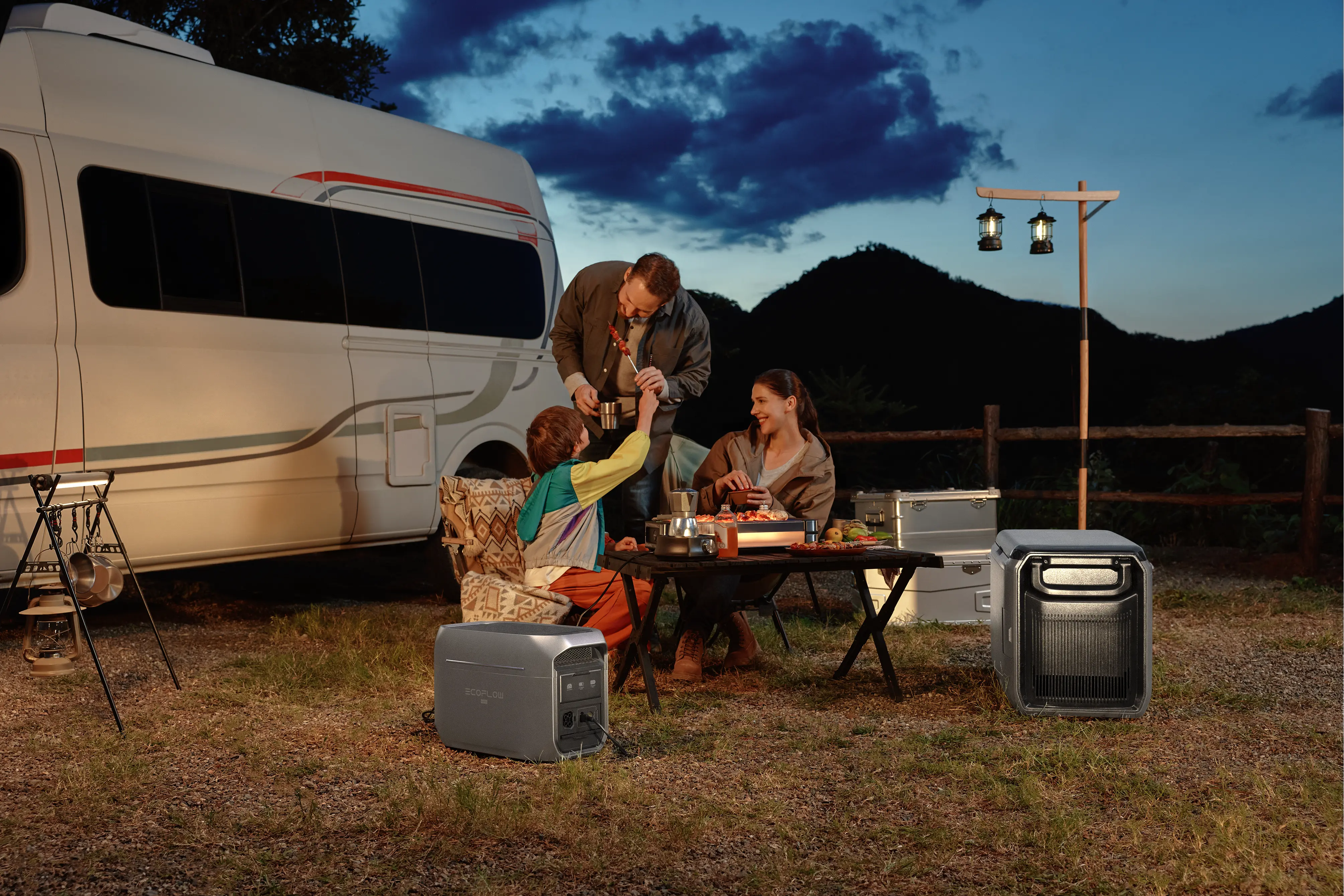
For outdoor movie nights away from standard outlets, a portable power station can run a projector, speaker, and streaming device from one location. The EcoFlow DELTA 3 Classic Portable Power Station provides portable AC power without the fuel, exhaust, or engine noise associated with a gas generator, making it a practical option for backyard screenings, cottage setups, and campsite entertainment.
Manage Runtime for Longer Viewing
Nobody wants the projector dying mid-film, so run the numbers first with a straightforward formula:
Estimated Runtime (Hours) ≈ Battery Capacity (Wh) × Usable Efficiency ÷ Total Load (W)
Plug in 0.85 as the efficiency factor for a rough number. Actual runtime shifts with the power station, the load, operating conditions, and battery management.
Power Additional Outdoor Equipment
Bigger nights bring bigger loads. If you also need power for lights, a cooler, cooking equipment, or other appliances, the EcoFlow DELTA 3 Max Plus Portable Power Station (2048Wh) offers a higher-capacity option for multi-device setups. It can be useful for extended cottage stays, larger backyard gatherings, or camping trips.
How Can You Maintain an Outdoor Projector Setup?
Open air is hard on optics and vents; dust, pollen, humidity, and the odd moth all ride in on it. A few minutes of cleanup after each screening keeps the picture clean from one season to the next.
Clean Lenses and Ventilation Areas
A few evenings outdoors and the lens collects more dust and pollen than you’d expect. Avoid wiping dry lenses with paper towels or clothing, as rough fibers can damage the anti-reflective coating. Grit lifts off with a blower bulb, a microfiber optical cloth with proper lens cleaner does the final pass, and the intake and exhaust vents get cleared the way the manufacturer instructs so cooling airflow stays where it should.
Protect Equipment From Weather Exposure
Evening dew can form rapidly as ambient temperatures drop, particularly in humid outdoor conditions. Gazebo or porch roof notwithstanding, the projector comes in every night — cooling fan finished, unplugged, and packed into a padded, weather-resistant case.
Upgrade Your Outdoor Entertainment Space
Low-voltage path lighting, a portable propane fire pit for chilly August evenings, a weather-resistant storage bench for the cables and adapters: a few perimeter upgrades like these will consistently enhance your viewing experience, and the whole kit stays where you actually use it.
Conclusion
Building a successful outdoor cinema largely relies on three core factors. The projector has to be bright enough for dusk. Wind decides whether the screen stays put. And the power simply has to last past the credits. Get those working together, bring the gear in when the dew settles, and every warm night between June and September is yours.
FAQs
What Can I Plug into My Projector?
Plenty. Streaming sticks (Chromecast, Fire TV, Roku, Apple TV) go in over HDMI, and so do laptops and gaming consoles. A USB flash drive plugs straight in. External sound systems connect over 3.5mm AUX or optical audio. Even a Blu-ray player works.
What Kind of Projector Is Best for the Outdoors?
Start with sufficient brightness and high native resolution to keep images clear and vibrant outside. Features like auto-keystone correction, effective dust filtration, and versatile connectivity ports also make setup and daily operation much smoother in outdoor environments.
How Many Lumens Do You Need for a Good Outdoor Projector?
Viewing at dusk or in yards with ambient street and porch lighting calls for a higher brightness rating to prevent image washout. In contrast, genuinely dark rural settings or unlit campsite environments require significantly lower light output to deliver a clear, high-contrast picture.
How Dark Does It Have to Be for a Projector to Work Outside?
Civil twilight, usually 20 to 30 minutes after sunset, is when the image starts to work. From there, the picture picks up the contrast, colour saturation, and fine detail it needs.