Kayaking and Fishing for Beginners: The Ultimate Guide to Starting Your Adventure in Canada
Canada is home to countless lakes, rivers, and waterways, making it an ideal place to try kayaking and fishing. For beginners, that means plenty of calm waters to explore, new fishing spots to discover, and more opportunities to enjoy time outdoors.
Compared with fishing from a larger boat, kayak fishing keeps things simple. It costs less, is easier to learn, and lets you reach shallow bays and quiet shorelines that bigger boats often miss. With a stable kayak, some basic gear, and a safe launch point, you can start exploring the water and build your skills one trip at a time.
This guide walks you through the essentials: picking your first fishing kayak, must‑have equipment, basic techniques, safety pointers, and a few calm‑water spots worth checking out.
What Is Kayak Fishing and Why Should You Try It?
Kayak fishing means fishing from a small, paddle-powered kayak. For beginners in Canada, it’s an affordable and simple way to start. With a kayak, basic gear, and a nearby lake or river, you can enjoy a more direct way to explore the water.
Why Kayaks Are Perfect for Beginner Anglers
Many beginner-friendly fishing kayaks are designed for stability and easy handling, allowing solo anglers to learn basic paddling and fishing skills. They are easier to transport and typically require less equipment than larger boats. Just strap it to the roof and launch from a permitted access point. The less time you spend dealing with setup, the more time you have actually fishing.
Kayak vs. Canoe vs. Motorboat: Which Is Right for You?
Choosing the right watercraft depends on your fishing style, budget, and where you plan to explore. Here’s a quick comparison of the three most common options:
| Watercraft | Advantages | Drawbacks | Best For |
|---|---|---|---|
| Fishing Kayak | Easy to transport, stable, quiet on the water, and can access shallow fishing spots that larger boats can’t reach | Limited storage and range compared with larger boats | Beginners, solo anglers, and lake fishing |
| Canoe | Offers plenty of space for gear and camping equipment, making it great for longer outdoor trips | Higher sides can catch wind, and handling alone can be more challenging | Backcountry camping and multi-day adventures |
| Motorboat | Provides speed, long-range travel, and more space for multiple anglers and equipment | Higher costs for fuel, maintenance, storage, and transportation | Serious anglers who need to cover large areas |
For most beginners, a fishing kayak offers the best balance of affordability, portability, and ease of use. It provides enough stability for learning while keeping setup and maintenance much simpler than a traditional boat. For anglers planning longer trips or combining fishing with camping, a compact solar generator can also help support basic off-grid power needs
How to Choose Your First Fishing Kayak
With so many fishing kayak options available, beginners often aren’t sure where to start. The right choice depends on factors like stability, storage space, comfort, and the type of water you’ll be exploring.
Sit-on-Top vs. Sit-In: The Best Choice for Beginners
For most beginners, a sit‑on‑top kayak is the smarter pick. It’s more stable, easier to climb back onto if you tip, and the open deck gives you room to move and manage your gear without fighting for space. Sit‑in models sit lower in the water. They keep you warmer and drier when things get choppy, so they’re a solid choice for early‑season paddlers in cooler provinces. But that enclosed design can make it tricky to twist around, reach for tackle, or land a fish that’s still thrashing. The open layout of a sit‑on‑top just makes all that easier.
Key Features to Look For (Stability, Rod Holders, and Storage)
When you’re shopping for a fishing kayak, start with the hull. A wider beam means better stability on the water. That’s your foundation.
From there, look for flush‑mount rod holders. They keep your rods secure and out of the way while you paddle. Storage matters too. A large rear tank well for a crate, bungees to strap down dry bags, and sealed hatches for spare clothes all make the difference between a more comfortable and organized fishing experience.
Budgeting for Your First Setup: How Much to Spend?
A beginner kayak fishing setup doesn’t have to be expensive. Most entry-level rotomolded plastic fishing kayaks cost about $600 to $1,200 CAD and offer the durability needed for lakes, rivers, and rocky launches. Plan to spend another $200 to $400 on basic gear, including a PFD, paddle, and a comfortable seat. These are the items you’ll notice most once you spend several hours on the water.
The Essential Gear Checklist: Kayaking & Fishing Setup
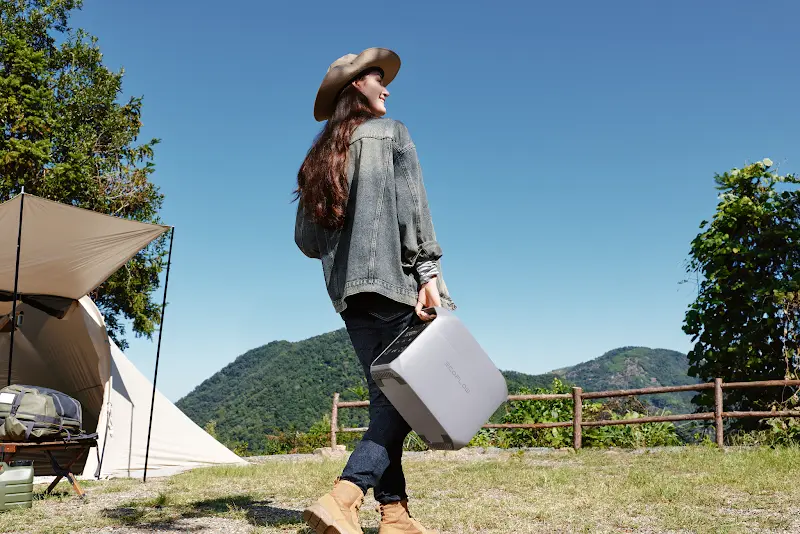
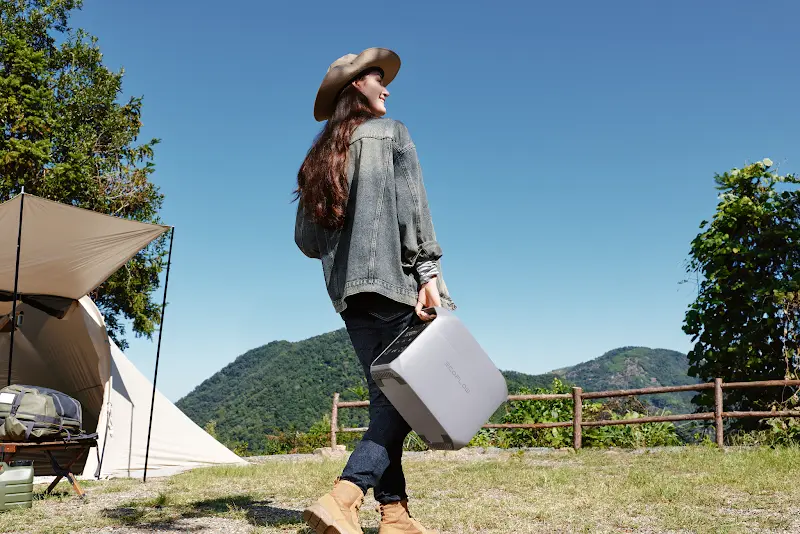
The right gear can make your first day on the water much easier. Before heading out, use a simple checklist to prepare your safety equipment, fishing supplies, and other essentials, with items like navigation tools and a portable power station being useful additions for longer outings.
Must-Have Paddle Gear (Paddles, Leashes, and Comfort Seats)
Choosing the right paddle gear can make your first kayak fishing trip much more comfortable and manageable. A lightweight paddle with the correct length helps you maintain control, while a paddle leash prevents losing your paddle if it slips into the water. For longer sessions, a supportive kayak seat can reduce back strain and make hours of paddling and fishing much more enjoyable.
Electronics and Power Gear
Between the fish finder, phone navigation, and a GoPro for capturing catches, a day on the water can quickly drain your batteries. A small power bank may be enough for short trips, but remote fishing locations often require a more reliable power option.
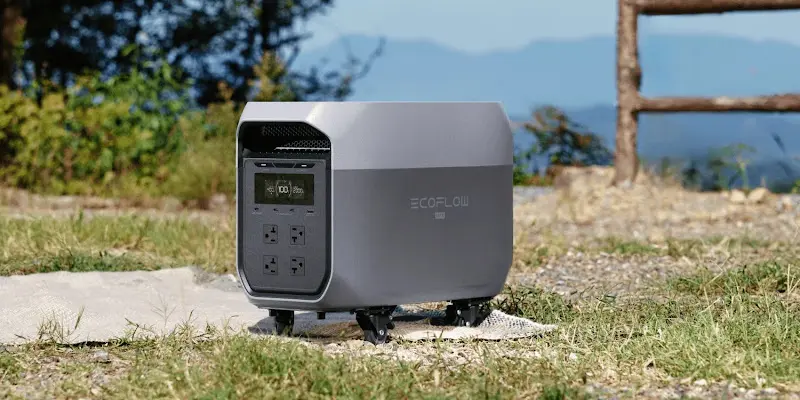
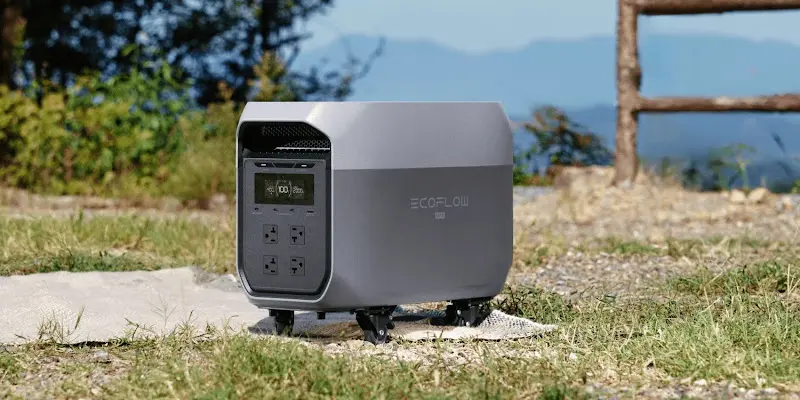
Keep a portable station like the EcoFlow DELTA 3 Classic in the trunk for convenient charging at the launch point. It can help recharge action cameras, phones, and other small devices, so you have the power you need before heading back home or continuing your adventure.
Beginner-Friendly Fishing Tackle & Rod Selection
Keep your tackle simple when you’re new to kayak fishing. When you are new to the combined challenge of kayaking and fishing, a medium-action 6.6 to 7-foot spinning rod with a reliable reel is versatile enough for species like panfish and bass. Bring a small waterproof tackle box with a few basic lures, such as inline spinners, soft plastics, topwater frogs, and jig heads for different depths. A lighter setup keeps your kayak organized and easier to manage.
Legal & Safety Essentials (PFDs, Whistles, and Canadian Fishing Licenses)
Safety on Canadian waters starts with the right equipment. Transport Canada requires a properly fitted PFD or lifejacket of an appropriate size for each person on board. Kayakers should also carry essential safety equipment, including a sound-signalling device and other required items such as a buoyant heaving line, depending on the kayak’s specifications and operating conditions.
Before you cast, make sure your fishing licence is in order. Ontario anglers need an Outdoors Card; in BC, you’ll need a Non-Tidal Angling Licence. Check local catch limits and seasonal rules for the waters you’re fishing. That’s the baseline for a legal, safe day on the water.
Actionable Tips for Your First Kayak Fishing Trip
A successful first trip comes down to building confidence step by step. Split your attention between boat control and fishing technique, and you’ll stay safe while giving yourself a solid shot at landing something.
If you’re planning more than a quick afternoon paddle, say a weekend camping trip or a multi‑day fishing run into the backcountry, energy management starts to matter. Many of Canada’s best fishing spots sit well off the grid, so keeping phones charged, food cold in an electric cooler, and camp lights on takes a reliable power source.
For longer outdoor trips, the EcoFlow DELTA 3 Max (2048Wh) + 400W Solar Panel provides additional capacity for multi-day adventures. Its larger battery storage supports essential devices and camping equipment, while solar charging helps extend your time away from the grid.
Master Paddling and Anchoring Before You Cast
Spend the first hour just getting a feel for the kayak. Paddle around, turn, glide, and learn how it responds before you even pick up a rod. Practice holding position in a light breeze, and get comfortable dropping a small folding anchor or brush grip.
Always deploy your anchor through a trolley system, sliding it to the bow or stern to cut into the wind and waves, keeping you safe and dry.
How to Cast and Reel Safely Without Flipping Your Yak
When you’re ready to fish, keep your weight centred over the middle of the kayak. Avoid leaning out over the sides. Use low, controlled casts instead of big, high‑energy motions that throw off your balance.
When a fish hits, set the hook with a firm but measured sweep. Keep the rod tip low and let the reel’s drag do the work. Bring the fish alongside the boat, then reach down with a short‑handled net. No need to overreach or force it. Smooth and steady gets the job done.
Top Beginner-Friendly Fish Species in Canada (Perch, Bass, and Trout)
Targeting willing, active species is the smartest way to build your skills. Yellow Perch school up in big numbers and bite eagerly on live bait or small jigs. They’re a blast for beginners.
Smallmouth and Largemouth Bass put up a serious fight and love hanging around visible cover like docks and logs. They’ll hammer artificial lures all summer long. Reviewing some bass fishing tips, such as focusing on shallow structure during low-light hours, can help improve your catch rates.
If you’re on cooler, deeper lakes, slow-trolling an inline spinner for stocked Rainbow or Brook Trout is a great way to get a taste of classic Canadian fishing. Each species teaches you something different.
Staying Safe: Best Beginner Kayak Fishing Locations in Canada
Picking the right spot makes all the difference when you’re starting out. Stick to calm, predictable waters where you can focus on your technique without dodging heavy boat traffic or battling tricky currents.
Essential Cold-Water and Weather Safety Tips
Canadian lakes can stay surprisingly cold even in summer, so choose your clothing based on water conditions rather than air temperature. For those interested in winter kayaking, additional preparation such as cold-water gear, proper layering, and careful weather planning becomes even more important. Check the forecast before heading out, and avoid paddling when strong winds are expected.
Top Calm-Water Hotspots Across Canadian Provinces
Here are four beginner-friendly destinations with sheltered water, easy launches, and reliable fishing.
Ontario: Lake Simcoe (Cook’s Bay) – Situated just north of Toronto, the southern end of Lake Simcoe offers accessible launches and productive fishing areas. While conditions can change with wind, its extensive weed beds are known for perch and bass fishing opportunities.
British Columbia: Okanagan Lake (Sheltered Bays) – While the main lake is expansive, the protected bays around rolling vineyards offer calm morning conditions perfect for tracking rainbow trout.
Alberta: Sylvan Lake – Known for its crystal-clear water and sandy bottom, this central Alberta destination features a protected provincial park launch that provides an easy start for targeting pike and perch.
Nova Scotia: Bras d’Or Lake – This stunning inland sea in Cape Breton offers unique, brackish water environments with beautifully calm conditions perfect for a relaxed afternoon chasing striped bass.
Conclusion
Kayak fishing is one of the best ways to soak in Canada’s backcountry. Pick a stable boat, sort out your safety gear, and start on sheltered lakes in your area. You’ll pick up the basics before you know it.
Skip the pressure to buy top‑shelf gear from the get‑go. Focus on the quiet of the water, the crisp morning air, and that moment when a fish hits. Pack your kit, plan your shore‑side power, and get out there. Those early mornings on the water are often what keep anglers coming back.
FAQs
Is Kayak Fishing Difficult for Beginners?
No, kayak fishing is remarkably easy to learn as long as you start on calm water and keep your setup simple. Modern fishing kayaks are designed to be very stable, allowing you to focus on paddling and casting without feeling unbalanced.
Can I Use a Standard Recreational Kayak for Fishing?
Yes, you can absolutely fish from a standard recreational kayak by adding a few aftermarket accessories. However, purpose-built fishing kayaks offer wider hulls for standing, built-in rod holders, and specialized accessory tracks that make organizing your tackle much easier.
Do I Need a Special License to Fish from a Kayak in Canada?
You do not need a special vehicle license for the kayak itself, but you must hold a valid provincial freshwater fishing license. Each province manages its own natural resources, so you will need to purchase a license online or at a local tackle shop before you head out.
How Do I Prevent My Kayak from Tipping over While Reeling?
To prevent tipping, always keep your hips loose, your chest centered over the seat, and avoid leaning over the gunwales. Let your fishing rod and reel drag system absorb the sudden runs of the fish, and always bring the catch to the side of the boat rather than reaching out across the water.