Hut-to-Hut Hiking: The Alpine Club's New Routes for 2026
Canada’s backcountry is home to some of the most stunning natural landscapes in the world. For those who prefer to go tent-free and explore the untapped wilderness by moving from mountain hut to mountain hut, you’re in luck. The Alpine Club released new routes for 2026, expanding its network of huts for the upcoming season.
Prepare accordingly with helpful tips to plan your trip, an overview of what’s new in the route network, and our list of essential gear to make your journey comfortable and memorable.
What Is Hut-to-Hut Hiking, and Why It’s Gaining Traction?
Hut-to-hut hiking is an alternative to tent camping that utilizes a network of shared mountain huts. You won’t have to carry tent gear, keeping your pack lighter while ensuring safe shelter and creating a more social atmosphere in the often isolating backcountry.
Hut-to-hut hiking is gaining popularity as its benefits are recognized, making some of these off-grid adventures more accessible to individuals of various fitness levels. It’s perfect for hikers who want a wilderness experience without the full commitment of camping. It also reduces the environmental impact that dispersed camping can create, preserving the wilderness as it is through a shared network of pre-made huts.
2026 Highlights: What’s New in the Alpine Club’s Route Network?
The Alpine Club of Canada (ACC) is planning to add a new major hut and connecting routes to its network in 2026. The Robson Pass Hut began construction in summer 2025 and is set to open in summer 2026, making it the first new ACC hut in over a decade. It will be located 24km from the Mount Robson Visitor Centre and 2km from Berg Lake Campground in Mount Robson Provincial Park. It will be a 12-person sleeping hut with an innovative two-story timber-frame design, plus modern features such as solar panels for electricity, a second-floor common area, and a wrap-around deck.
If this trail isn’t speaking to you, you can always find other hiking trails and see what all of your options are. The Alpine Club of Canada offers 30+ other hut options as well. Their website features a map of all hut locations, allowing you to plan your adventure.
Planning Your 2026 Hut Trip: What You Need to Know
As you begin planning your 2026 hut trip, you’ll need to be prepared to make your booking, select your timing, and prepare for the type of trip you’ll experience.
Due to high demand, some backcountry huts are available via a lottery system. For those, such as the Lake O’Hara hut, you’ll need to submit an application before January 30, 2026, and wait for winners to be drawn for those prime summer dates. Other non-lottery huts can be booked directly online. ACC members can book 180 days in advance, while non-members can book up to 90 days in advance. Memberships are open to everyone and may be purchased at the time of hut reservation. Member rates are cheaper than non-member rates, so if you plan to camp several times within the year, you may want to become a member.
Full payment is due at the time of booking, and a strict cancellation policy is in effect. You can cancel up to 15 days before the first night’s stay for a 75% refund. However, cancellations made less than 15 days before the first night's stay will not receive a refund.
Summer rates are often higher, as June through September is the peak season for the most accessible routes. However, if you’re planning a winter trip, note that some huts require avalanche training or specialized equipment to access them.
Essential Gear for Lightweight, Off-Grid Comfort
Having the right equipment for your trip will make it more comfortable and enjoyable. You won’t need to pack a tent, but you’ll still want to bring your basic food and water items, first aid supplies, and emergency essentials. Being prepared for any emergency on the trip is paramount. Bring emergency supplies, including an emergency portable power station. Even if you don’t plan to use power during your ideal trip, you may want it if disaster strikes.
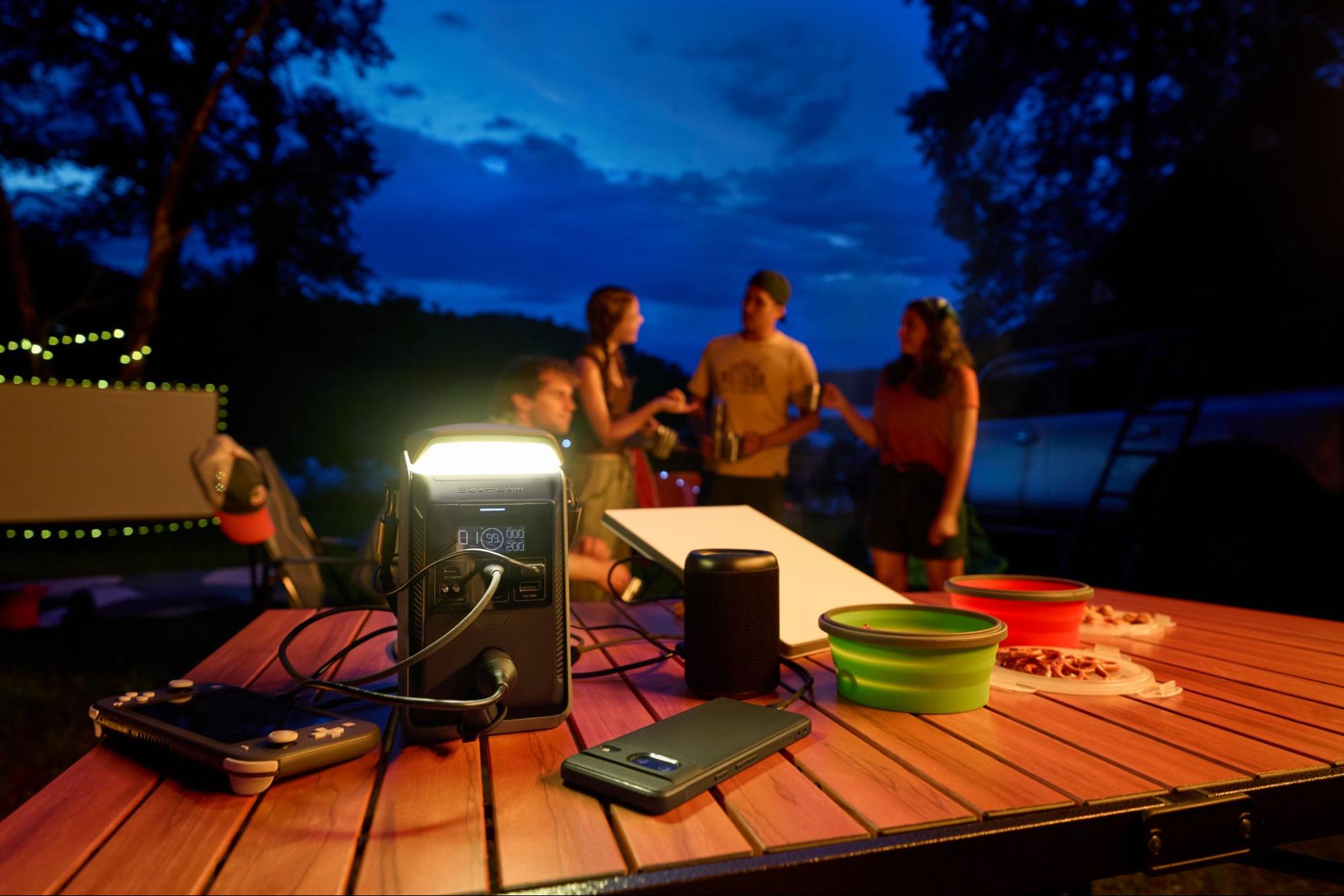
However, a PPS is a great addition, even if not reserved only for emergencies! It will allow you to power up your devices between huts and stay connected while out in the wilderness.
If someone you know is planning a similar hut trip, a PPS would make an amazing gift for the outdoor enthusiast in your life. Essential gear to bring includes:
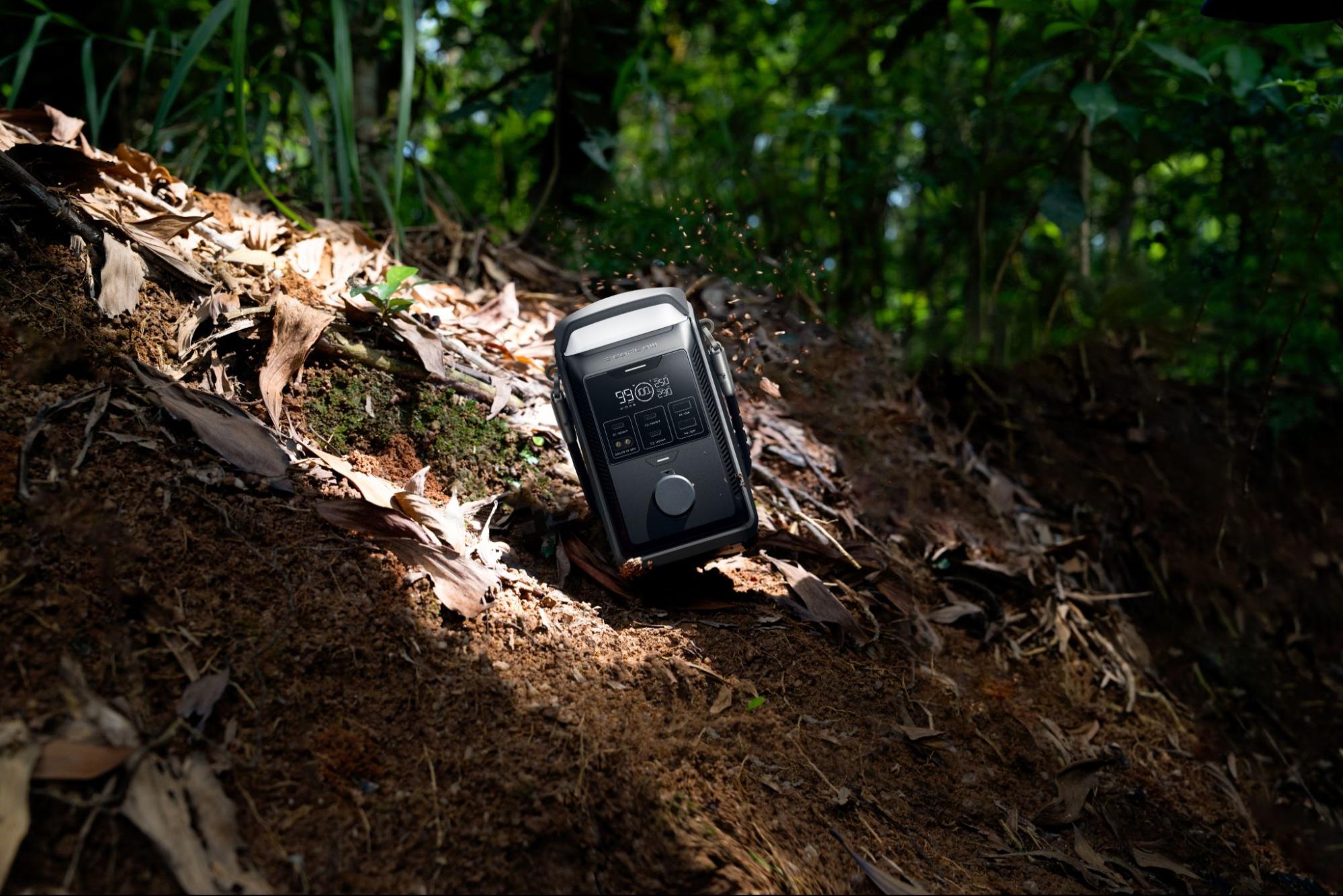
Trail Power Solutions: You may have a whole home generator, but you can’t take it on the trail with you. For your hut-to-hut adventures, you’ll need a lightweight, portable off-grid solution. The EcoFlow TRAIL DC Series Portable Power Station is built with this exact use case in mind. It’s just 4lbs and features a handheld design for on-the-go adventures.
Practical Essentials: GPS, satellite communicators, and headlamps.
First Aid Supplies: Band-Aids, antibiotic and antifungal ointment, alcohol wipes, etc.
Personal gear: Sleeping bags, personal hygiene items.
Weather gear: Rain gear is crucial for unpredictable mountain conditions, even in the summer.
Pro tip: If you have brand-new hiking shoes, be sure to wear them in before you set off to avoid pesky blisters.
Frequently Asked Questions
Do You Need to Be a Member of the Alpine Club of Canada To Book a Hut?
Membership is not required to book an Alpine Club of Canada hut. However, you can book earlier and save money if you’re a member (you can become a member during the hut-booking process if you’re interested!). You will need an active membership at the time of reservation to access member rates.
Can I Bring My Dog to an Alpine Hut?
Dogs are not permitted at any ACC huts. Many Canadian parks allow dogs on hiking trails, but the huts maintain a strict no-pets policy. If you’re camping with a dog, opt for backcountry camping in designated areas that allow dogs.
Successful Hut-to-Hut Trips Begin With Early Planning
Get out there and explore all that the Alpine Club of Canada has to offer. With the first new hut being added to the network in a decade, even the most experienced backcountry campers will have something new and exciting to enjoy. Start planning early, as popular huts book quickly, especially those that require a lottery system.
Once your plans are made, ensure you’re well-packed for the adventure to come. Hut-to-hut camping allows you to enjoy the convenience of hiking without a tent, but you’ll still need essentials like food, water, emergency supplies, and an EcoFlow TRAIL Series DC Portable Power Station to get you through.