Geothermal Heating in Canada: Is the Cost Worth It? A Practical Look at Costs, ROI, and Energy Savings
- Geothermal Cost Fundamentals: What Canadian Homeowners Should Expect
- Efficiency, Performance, and Payback
- Cost Drivers and Installation Considerations
- Incentives, ROI, and Long-Term Value
- Geothermal vs. Alternatives and Climate Suitability
- Portable Power Integration: Supporting Geothermal Systems
- Frequently Asked Questions
- Upgrade Your Geothermal Experience with EcoFlow Power Stations
As Canada grapples with rising energy costs and the urgent need for sustainable solutions, homeowners and businesses alike are exploring alternative heating options. Geothermal heating, which taps into the Earth’s natural warmth, promises lower energy bills and a reduced carbon footprint. However, the upfront investment can be daunting.
So, is geothermal heating worth it, and are there alternative solutions?
Geothermal Cost Fundamentals: What Canadian Homeowners Should Expect
Thinking about geothermal energy for your home? It’s a smart move. But like any big investment, understanding the costs upfront can save you a lot of headaches. For Canadian homeowners, the price of installing a geothermal system typically depends on a few key factors: the size of your home, the type of system you choose, and the condition of your property. Drilling costs can vary depending on whether you’re installing a closed-loop or open-loop system, and how deep the wells need to go to tap into the earth’s consistent temperature.
While the upfront price can seem high, often ranging from $15,000 to $40,000 for an average-sized home, the long-term savings on heating and cooling can make it worthwhile. Many homeowners find that geothermal systems pay for themselves over time. Plus, there are often federal and provincial incentives to help offset the initial investment.
If you’re already thinking about home efficiency upgrades, it’s worth comparing geothermal to other major systems, like a whole-home generator. Then, you can see which solution makes the most sense for your comfort, budget, and energy goals.
Efficiency, Performance, and Payback
One of the primary reasons homeowners go geothermal is efficiency. These systems tap into the stable temperatures underground, which means your home stays cozy in the winter and cool in the summer, without constantly spiking your energy bills. In fact, geothermal can be two to four times more efficient than traditional heating and cooling systems.
Performance-wise, modern geothermal systems are quiet, reliable, and built to last decades with minimal maintenance. That long lifespan is a large part of the payback equation. While the upfront costs might seem steep, most homeowners see significant energy savings within five to 10 years, depending on usage and local energy prices.
Cost Drivers and Installation Considerations
When budgeting for a geothermal system, it’s helpful to understand what truly drives the cost. Several factors to consider include the size of your home, the type of loop system (closed-loop or open-loop), and the geology of your property, as hard rock or challenging soil can increase drilling expenses. Labor and equipment also add up.
Another consideration is how your home’s existing heating and cooling infrastructure interacts with the new system. Retrofitting an older home may require extra work, while new builds often integrate more seamlessly.
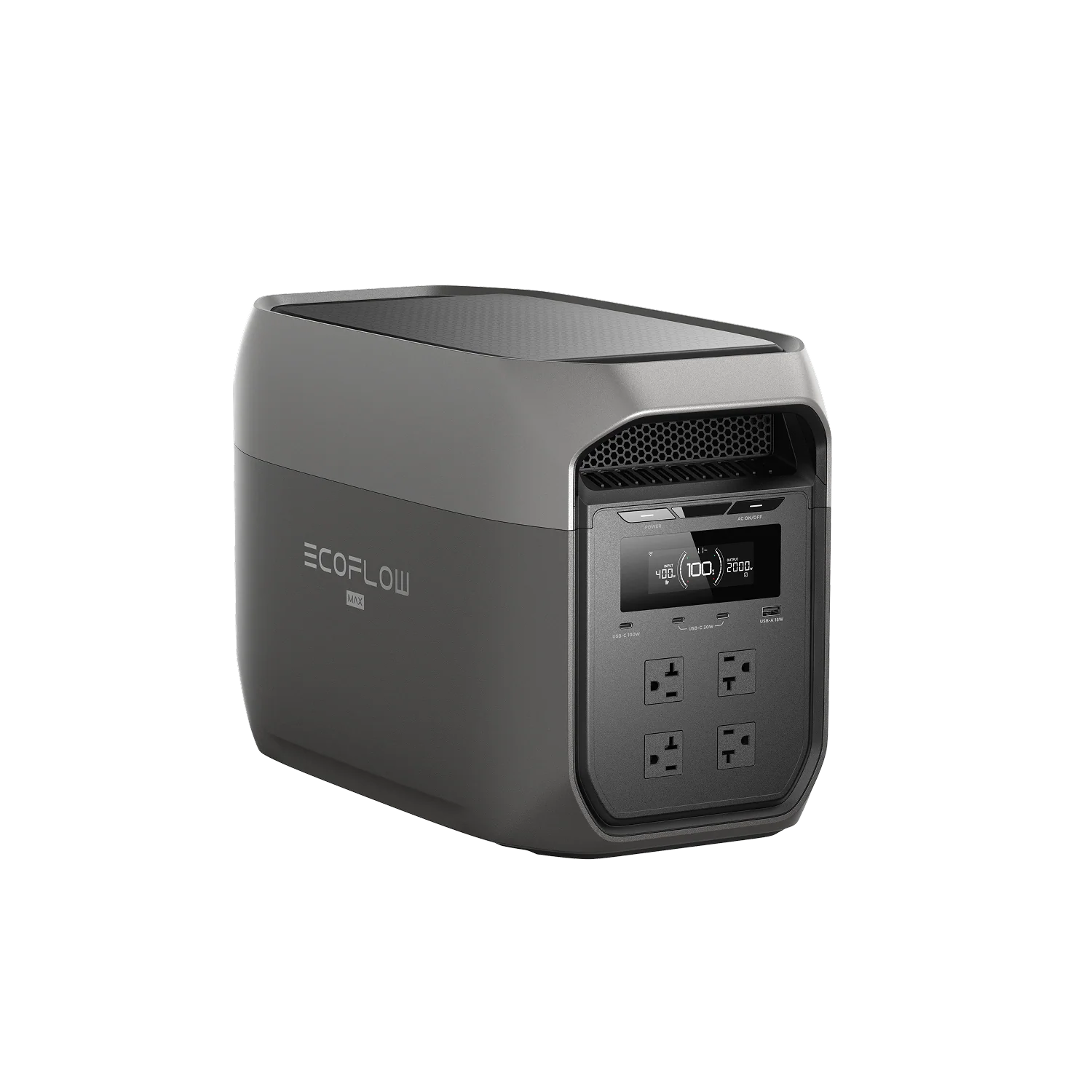
It’s also useful to compare geothermal to other energy solutions. For example, portable devices like the EcoFlow DELTA 3 Max are great for short-term or backup power.
Incentives, ROI, and Long-Term Value
One of the most appealing aspects of geothermal systems for Canadian homeowners is the potential for incentives. Federal and provincial programs often offer rebates or tax credits to help offset the upfront installation cost. These incentives can make the investment more manageable and improve your overall return on investment (ROI).
When it comes to ROI, geothermal systems shine over the long term. While the initial costs are higher than conventional systems, the efficiency and durability translate to consistent savings on energy bills for decades.
Beyond the financial benefits, geothermal adds long-term value to your home. Energy-efficient homes are increasingly desirable in the market, and buyers often value the reduced operating costs and eco-friendly appeal.
Geothermal vs. Alternatives and Climate Suitability
Not every home or climate is a perfect fit for geothermal, so it’s important to compare it with other energy solutions. Traditional heating and cooling systems, like gas furnaces or air-source heat pumps, usually have lower upfront costs but higher ongoing energy expenses. That said, one of geothermal's main benefits is that it offers consistent performance year-round—even in Canada’s extreme winters—thanks to stable underground temperatures.
Your local climate, soil type, and property layout all play a role in determining whether geothermal makes sense. Homes with ample yard space are ideal for installing loop systems, while smaller lots may require more creative solutions or hybrid setups. Comparing geothermal to alternatives, like solar panels, air-source heat pumps, or even backup devices like portable power stations, helps you weigh efficiency, reliability, and long-term value.
Portable Power Integration: Supporting Geothermal Systems
While geothermal systems are highly efficient and reliable, pairing them with portable power solutions can provide extra peace of mind. Backup power ensures your heating and cooling stay operational during outages, which is especially important in Canada’s harsh winters.
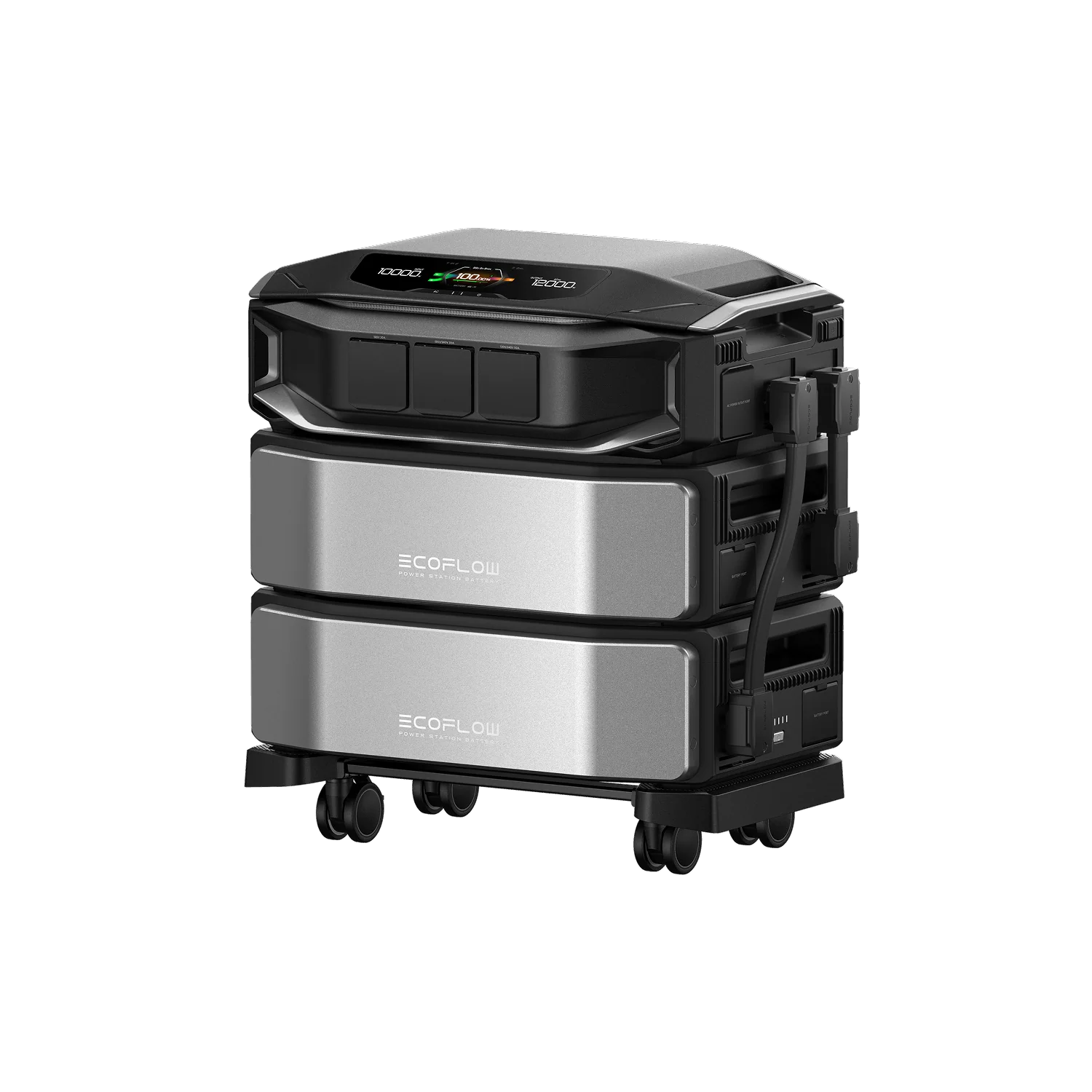
Modern portable power stations, such as the EcoFlow DELTA Series, can support essential home systems, including geothermal pumps, during brief power outages. It’s not a replacement for your central system, but it can act as a safeguard and can keep your home comfortable and your energy usage steady when the grid goes down. If you’re seeking whole-home backup, consider upgrading to the EcoFlow DELTA Pro Ultra X, which starts at 12kW output but is easily scalable.
Frequently Asked Questions
How Much Does a Geothermal System Cost in Canada?
A geothermal system in Canada typically costs between $15,000 and $40,000, depending on home size, system type, and installation complexity. While the upfront cost is higher than conventional heating, it can significantly reduce energy bills over time. Many homeowners also qualify for government incentives and rebates.
Is Geothermal Worth It in Canada?
Yes, geothermal can be worth it in Canada. While the upfront cost is high, it offers significant long-term savings on heating and cooling, works efficiently in cold climates, and reduces carbon emissions. It’s ideal for homeowners planning to stay long-term.
What Is the Downside of Geothermal Heating?
The main downside of geothermal heating is the high upfront cost for installation. However, those upfront costs are offset by energy efficiency and lower maintenance in the long term.
Upgrade Your Geothermal Experience with EcoFlow Power Stations
Considering a geothermal upgrade for your home? While installation can be a significant upfront investment, the efficiency, long-term savings, and durability make it worthwhile. Geothermal systems deliver consistent heating and cooling year-round and often qualify for federal or provincial incentives, and boost ROI. Pairing your system with smart power solutions, like the EcoFlow DELTA 3 Max, ensures reliable backup during outages.