Discovery Wildlife Park Guide: Animals, Family Activities, and Visitor Tips
Discovery Wildlife Park, Alberta, is a spacious sanctuary in Innisfail, built around animals that couldn't stay in the wild, including orphans, rescues, and animals pulled out of captive situations that weren't working. That origin shapes the whole place. Everything here, from the enclosures to the keeper talks to the pace of a visit, feels closer to a working care facility than a traditional zoo, and lifelong animal care sits ahead of spectacle on the priority list.
Located in the quiet agricultural community of Innisfail in Central Alberta, the park offers an accessible country setting just off Highway 2. If you're coming up the QEII (1 hour north of Calgary or 1.5 hours south of Edmonton), this guide covers the resident wildlife, the daily presentations, the ticket options, and what to pack so the day goes smoothly.
What Can You See at Discovery Wildlife Park?
A wide variety of species live here, and nearly all of them arrived with a backstory of rescue or shelter. That backstory is what provides a distinct educational value compared to a regular zoo.
Discover Lions, Bears, Wolves, and More
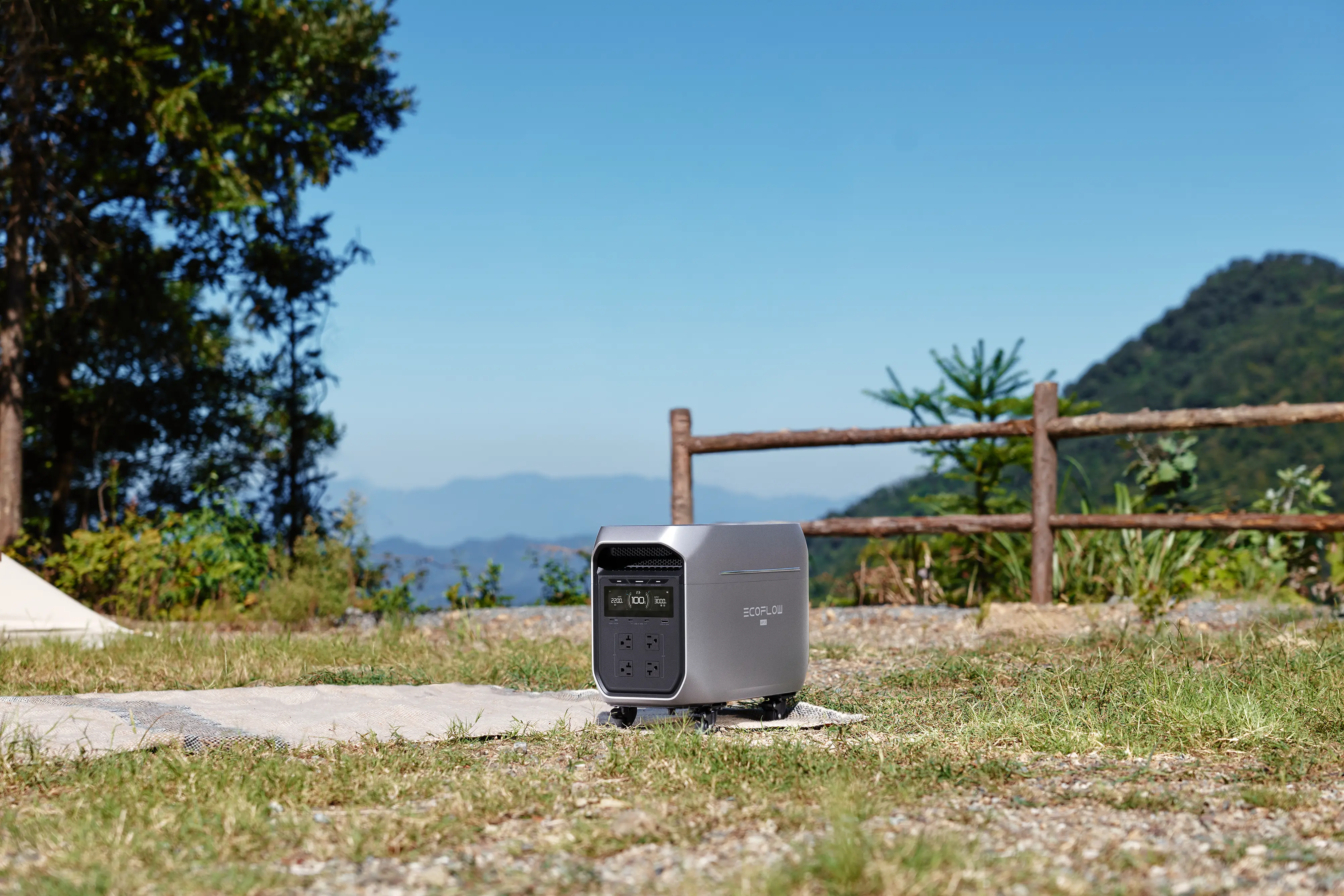
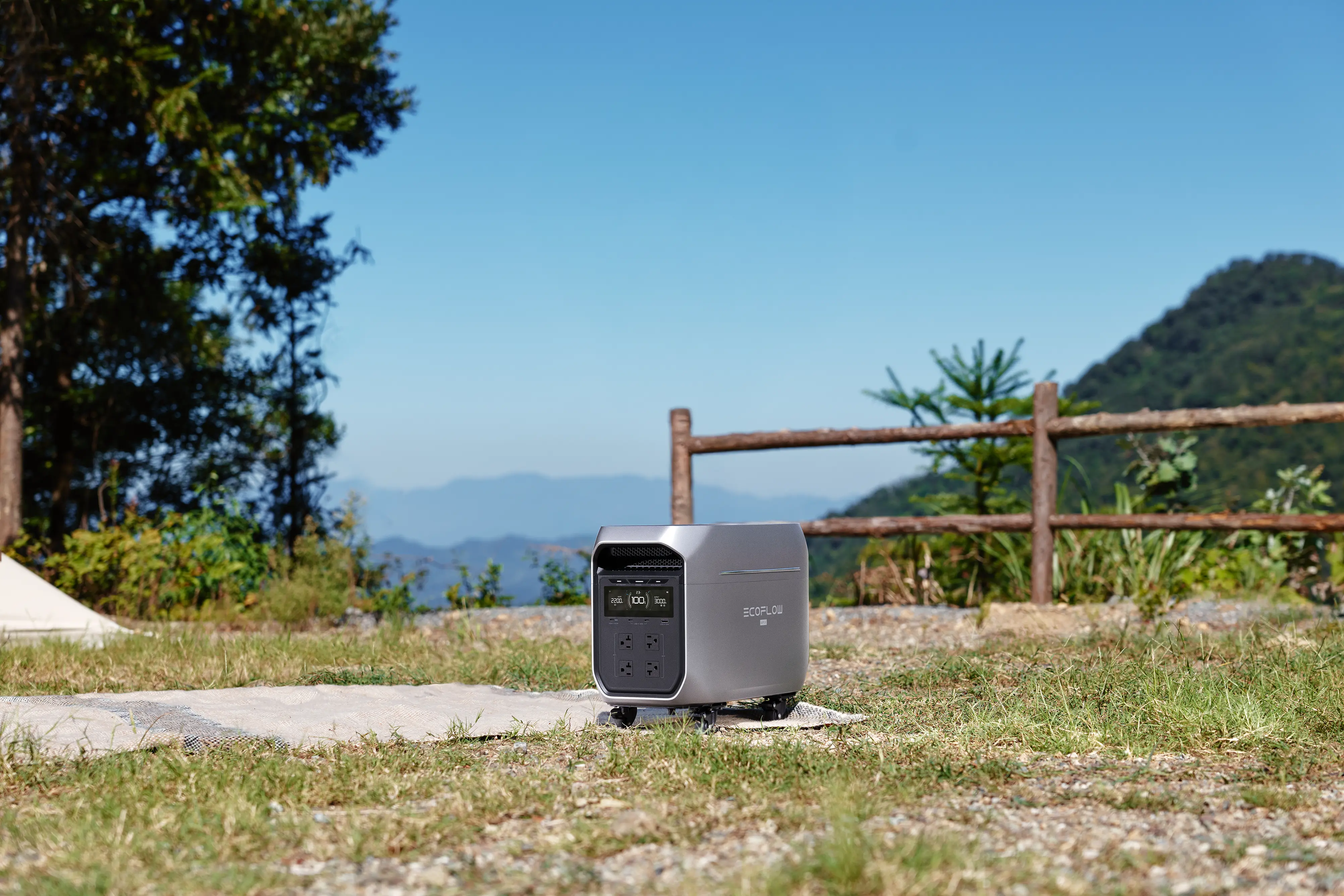
Shaded, tree-lined paths provide comfortable walking routes throughout the property. Enclosures host a wide range of native and exotic wildlife, featuring African lions, Siberian tigers, grizzlies, black bears, timber wolves, and cougars, as well as smaller species such as foxes, raccoons, porcupines, and birds of prey. Staging a portable power station at your vehicle or campsite provides a reliable off-grid base to recharge heavy electronics and cooling equipment between walking loops. Because so many of these animals came in orphaned young or out of captive situations that weren't suitable, each enclosure doubles as a biography. Read the signboards. They tell you who you're looking at and how that animal ended up here, and they show you what thriving under expert care actually looks like.
Learn About Animal Care and Conservation
Behind every fence lies a commitment to wildlife preservation and public understanding. Staff and signboards get into the real stories, like why a particular animal arrived, what proper habitat stewardship looks like, and how that work protects wild populations across Canada. The park also puts genuine weight on how people behave around native wildlife. Kids and adults both leave with practical knowledge about coexisting with Alberta's wild carnivores.
What Family Activities Can You Enjoy?
The enclosures are only half of it. The daily program is what renders the visit most rewarding.
Join Interactive Animal Experiences
The bookable daytime experiences are the park's most exclusive offer, providing close-up access that makes these interactive sessions a standout choice for children outdoor activities in Central Alberta. Walk With a Wolf is a 15-minute experience limited to guests aged 16 and older, while Bear Photos takes place immediately following the daily Bear Safety Presentation. Because booking details, age restrictions, and daily availability vary by activity, visitors are encouraged to review the Discovery Wildlife Park interactive experiences guide prior to their visit.
Take Part in Wildlife Presentations
Scheduled presentations run throughout the day across the grounds. You sit on outdoor bleachers while a keeper demonstrates an animal's natural behaviors and explains how keepers use positive-reinforcement training. The presentations dispel widespread misconceptions regarding predators, and they do it at a level young kids can genuinely follow.
Discover Wildlife Education Programs
For school groups, youth clubs, and kids who already suspect they want to be biologists, the park runs structured sessions built around environmental science themes. The sessions stay close to the actual work. Kids see how keepers monitor animal health and prepare the daily nutritional diets, and how behavioral enrichment items get built to keep the furry residents busy in body and mind.
Capture Photos of Wildlife Encounters
The open layout gives you clean sightlines almost everywhere: a big cat flat out in the morning sun, a bear splashing shoulder-deep in a pool, your kid's face during a keeper talk — all captured easily when keeping a compact power station ensures your camera gear stays charged. Those photos keep a Central Alberta road trip vivid long after you head home, so get there early for the best light of the day.
How Can You Plan Your Visit?
A little timing work before you leave pays off on site. The presentations anchor the day, and everything else fits around them.
Check Hours and Seasonal Operating Dates
Discovery Wildlife Park is a seasonal attraction, and the 2026 season runs from May 1 through September 30.
Operating Hours: Gates open at 10:00 AM and close at 5:00 PM daily, with last entry at 4:00 PM.
Pro Tip: Your best chance of catching the animals active is right at opening, in the cool morning hours before the afternoon naps set in. Check the official page for the day's hours before you drive out, especially early or late in the season.
Compare Admission and Activity Options
Visitors can choose from four primary ways to structure their itinerary, ranging from single-day entry to power-only RV sites for those camping in Alberta on extended road trips:
| Pass Type / Experience | Target Audience | Key Inclusions |
|---|---|---|
| General Day Admission | Families & Casual Visitors | Full grounds walk, self-guided viewing, standard keeper talks |
| Animal Experiences | Avid Wildlife Enthusiasts | Bookable options such as Walk With a Wolf and Bear Photos; requirements vary |
| Year Membership | Local Prairie Families | Unlimited admission during the 2026 season, plus selected member discounts |
| On-Site RV Camping | Overnight Road Trippers | Power-only RV sites; camping-and-admission packages, evening encounters as add-ons |
What Should You Bring to Discovery Wildlife Park?
A visit here is a full day on your feet, mostly outdoors. Pack for that.
Prepare Comfortable Outdoor Essentials
Expect a lot of walking on gravel and grass paths, so sturdy walking shoes or breathable sneakers come first. Add wide-brimmed sun hats, high-SPF sunscreen, and bug spray, along with a lightweight layer or two as afternoon temperatures rarely hold where the morning started.
Keep Meals Fresh with Portable Refrigeration
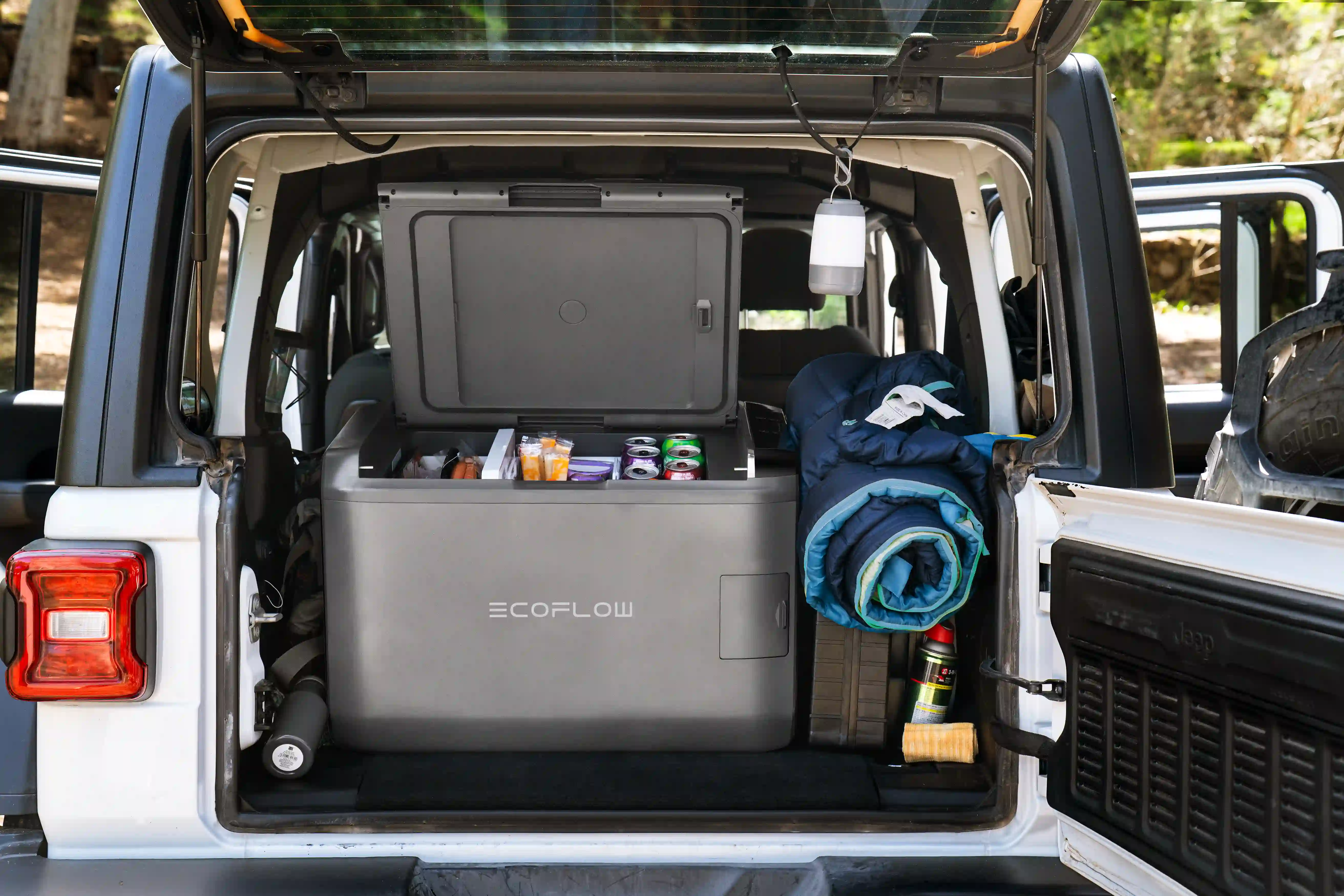
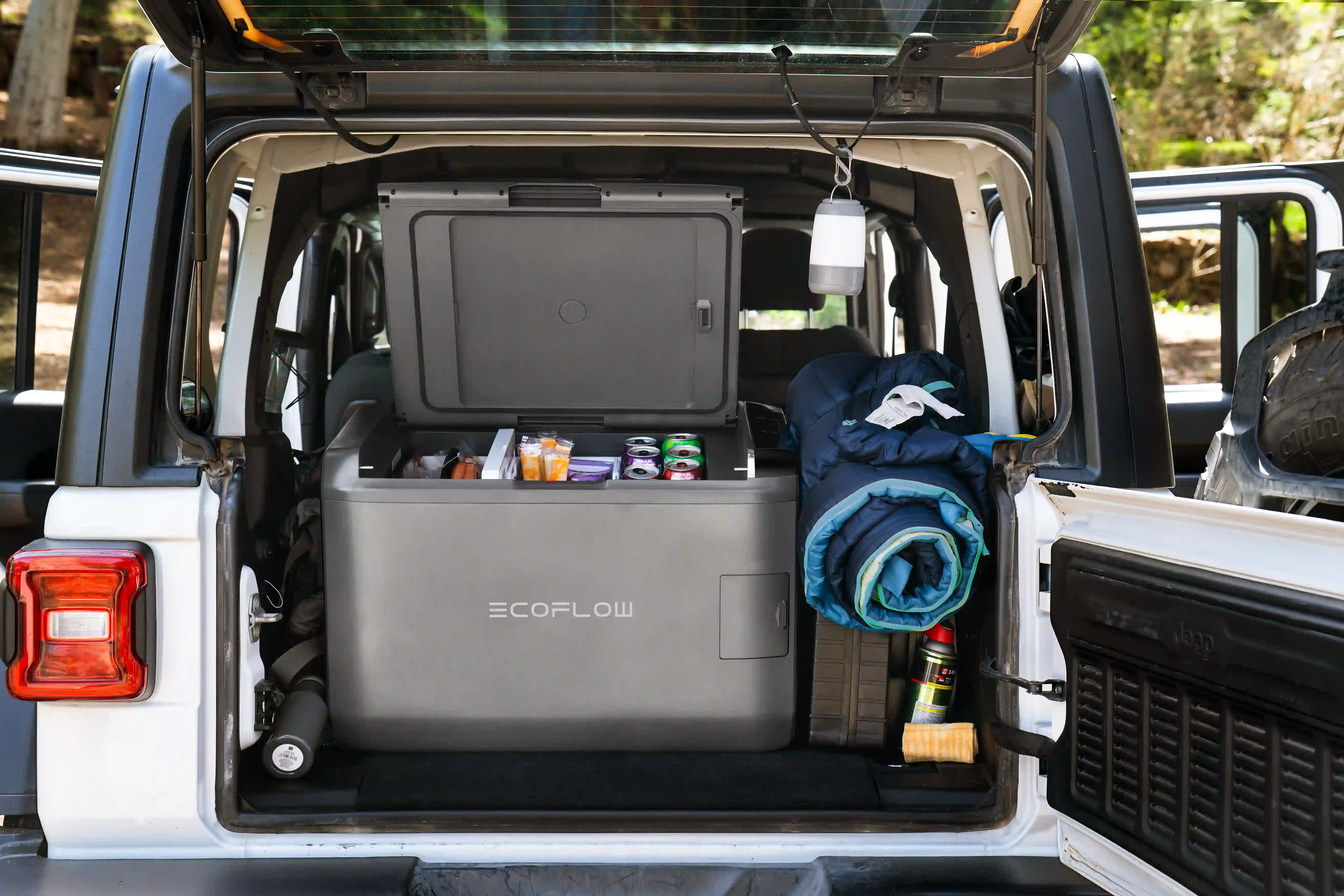
An Alberta summer day can be hard on a packed lunch, causing drinks and fresh fruit to lose their chill by midday. Utilizing a portable electric cooler, such as the EcoFlow GLACIER Classic Portable Fridge Freezer, offers a practical refrigeration option for road trips. Placed in a trunk or cargo area, it maintains food and beverages at designated temperatures without requiring bags of ice, reducing the need for mid-day trips to a local store.
Bring Backup Power for Devices
Frequent photos, video recordings, and continuous GPS navigation can quickly drain device batteries during a day trip. Bringing a high-capacity power bank or portable power station helps prevent camera batteries from dying right when an animal approaches the enclosure edge. A unit like the EcoFlow DELTA 3 Max Plus Portable Power Station (2048Wh) can provide a reliable source of off-grid power at your campsite, helping campers recharge smartphones, cameras, and other electronics during an overnight stay.
Tips for a Safe and Comfortable Visit
Keeping three basic habits in mind helps support a safe and smooth visit.
Review Wildlife Safety Guidelines
Respect the posted boundary fences, don't tap on glass barriers, and keep hands outside the outer perimeter guardrails. Kids especially need the reminder not to run or make sudden loud screaming noises near enclosures, since calm surroundings keep the rescued residents relaxed.
Prepare for Alberta Weather Shifts
Central Alberta summer days can flip without much warning. Clear morning sun can give way to afternoon thunderstorms or gusty winds, so compact umbrellas, light rain jackets, and extra water bottles are highly recommended additions to your daypack.
Keep Personal Items Organized
A lightweight backpack keeps your hands free for photos and for small hands that need holding. Inside it, small zipper pouches keep small miscellaneous items organized, such as hand sanitizer, wet wipes for messy picnic fingers, spare camera batteries, bandages.
Conclusion
The draw at Discovery Wildlife Park works on two levels. You see exotic carnivores up close, and your visit supports a real rescue and conservation mission. Timing the day around the presentation schedule, packing for Alberta weather, and organizing cooling and power setup the night before all help support a smooth visit to Innisfail Discovery Wildlife Park.
FAQ
Which Park in Alberta Has the Most Wildlife?
In Alberta, Banff National Park and Jasper National Park house the largest overall populations of wild animals, spread across thousands of square kilometers of protected wilderness. Discovery Wildlife Park offers a different experience: close-up educational encounters with rescued and orphaned animals in a structured and safe sanctuary setting.
How Much Are Entrance Fees for Discovery Wildlife Park?
Single-day admission runs $1 to $25 CAD (plus GST), broken down by age:
Adults (18–59): ~$25 CAD
Youth (13–17) & Seniors (60+): ~$21 CAD
Children (3–12): ~$17 CAD
Toddlers (2 & under): $1 CAD nominal fee
Note: Group rates, military discounts, and the Year Membership can bring the cost down further. Prices and seasonal packages can shift, so check the official Discovery Wildlife Park ticketing page for current rates before you go.
How Long Does It Take to Visit Discovery Wildlife Park?
A complete tour typically takes 2 to 4 hours and catches the main presentations. Book an animal experience, stop for an outdoor picnic lunch, or let a small child set the pace, and the itinerary can easily encompass a 5-hour day trip.