Cozy Cabin in Canada: Summer Vacation Ideas and Cabin Essentials
A summer cabin trip in Canada can be as low-key as a lakeside cottage in Ontario, or as remote as an off-grid cabin in the Rockies. Honestly, the "right" one depends on what you want out of the trip — where you'll go, what you'll do, and how much comfort you actually need.
Below, we’ll look at popular cabin destinations across Canada, what to pack, what activities to try, and what to consider when staying at a remote or off-grid cabin.
What Makes a Cozy Cabin Experience in Canada?
A classic cabin getaway strikes a balance between nature’s raw beauty and the comforts of home. It is an intentional slowing down of pace, shaped by distinct surroundings and simple daily rituals.
Explore Scenic Cabin Locations
Canada’s diverse terrain dramatically shapes the character of each region, which changes the overall cabin vibe. One morning you’re wrapped in boreal pine. Next, you’re on a Pacific coastline or staring at a glacial lake under the alpine peaks. Whether you choose an A-frame in the Laurentians or a cozy cabin in the woods nestled among cedar trees in the Rockies, the natural backdrop sets the rhythm of your trip.
Choose Comfortable Cabin Features
Comfort doesn't have to kill the rustic feel. In fact, the best cabins keep both. A thoughtful cozy cabin design strikes a balance between rustic character and modern ease, ensuring that a few specific features make the lazy hours genuinely pleasant:
Generous screened-in porches (Muskoka rooms): Sit out at night, catch the breeze, and skip the blackfly war. An essential feature for comfortable summer evenings.
Wood-burning stoves or natural stone fireplaces: Ideal for warming up during crisp northern summer nights.
Private docks and cedar hot tubs: Roll out of bed, into the lake at sunrise. Or just soak and count stars after dark.
Large picture windows: Outdoor panoramic views come to you. Eat, read, or zone out — the scenery's right there. Modern off-grid cabins often incorporate a quiet solar generator setup to power subtle ambient lighting and charging ports without disrupting the tranquil atmosphere.
Enjoy Summer Cabin Activities
Cabin days follow the sun. Mornings are for canoeing or paddleboarding on dead-calm water. Afternoons? Jump off the dock, or hike a trail and disappear for a few hours. As twilight settles, everything naturally gravitates around the stone fire pit for roasting s’mores, sharing stories, and watching the night sky fill with stars.
Where Can You Enjoy Cozy Cabin Getaways in Canada?
From historic heritage cottage belts to high-altitude mountain sanctuaries, each Canadian region offers its own cabin signature style.
Discover Ontario Cottage Country
Ontario’s Muskoka and Kawarthas regions are known for cottage country, freshwater lakes, rocky shorelines, and easy access to boating and hiking. For those seeking quieter water without the weekend crowds, the Haliburton Highlands and the wilder perimeter of Algonquin Provincial Park deliver peaceful, loon-filled waterways and dense hardwood canopies alongside boutique cozy cabin inn retreats.
Explore Mountain Cabins in Alberta and BC
Out west, everything gets bigger. Cabins near Banff, Jasper, Canmore, or BC’s Kootenays and Gulf Islands sit right at the edge of serious wilderness. Big elevation swings. Glacier-fed creeks. Alpine meadow trails. And lodges built from that aromatic Western red cedar you can smell from the driveway.
Find Lakeside and Forest Cabin Retreats
Quebec’s Laurentians and Eastern Townships blend log cabins with French-Canadian hospitality — scenic farm stands, and quiet lakeside pockets. Keep driving east and you hit Nova Scotia and PEI, where salt-sprayed cottages and coastal trailheads sit right outside the door, often supported by a quiet portable power station for effortless off-grid living.
What Essentials Should You Prepare for a Cozy Cabin Trip?
Proper preparation and packing are essential for a successful cabin trip. Especially off the beaten track, where the nearest grocery run — or power line — might be an hour away.
Pack Clothing and Outdoor Gear
Canadian summers are moody. A 26°C afternoon can flip to 12°C the second the sun drops behind the trees. Much like building a road trip packing essential list for a remote getaway, choosing clothes for a cabin stay requires versatile layers for unpredictable shifts:
Layering pieces: Pack breathable merino wool base layers, a fleece pullover, and a lightweight waterproof shell.
Water gear: Neoprene water shoes for rocky lake bottoms, quick-dry swimwear, and UV-blocking sun shirts.
Footwear: Broken-in trail runners or hiking boots for exploring nearby forest paths.
Prepare Food and Cooking Supplies
Cooking outside is half the fun, not a chore. Bring pantry staples that work anywhere, a cast-iron skillet for the grill or stovetop, and premium coffee beans plus a manual French press.
Bring Portable Power Solutions
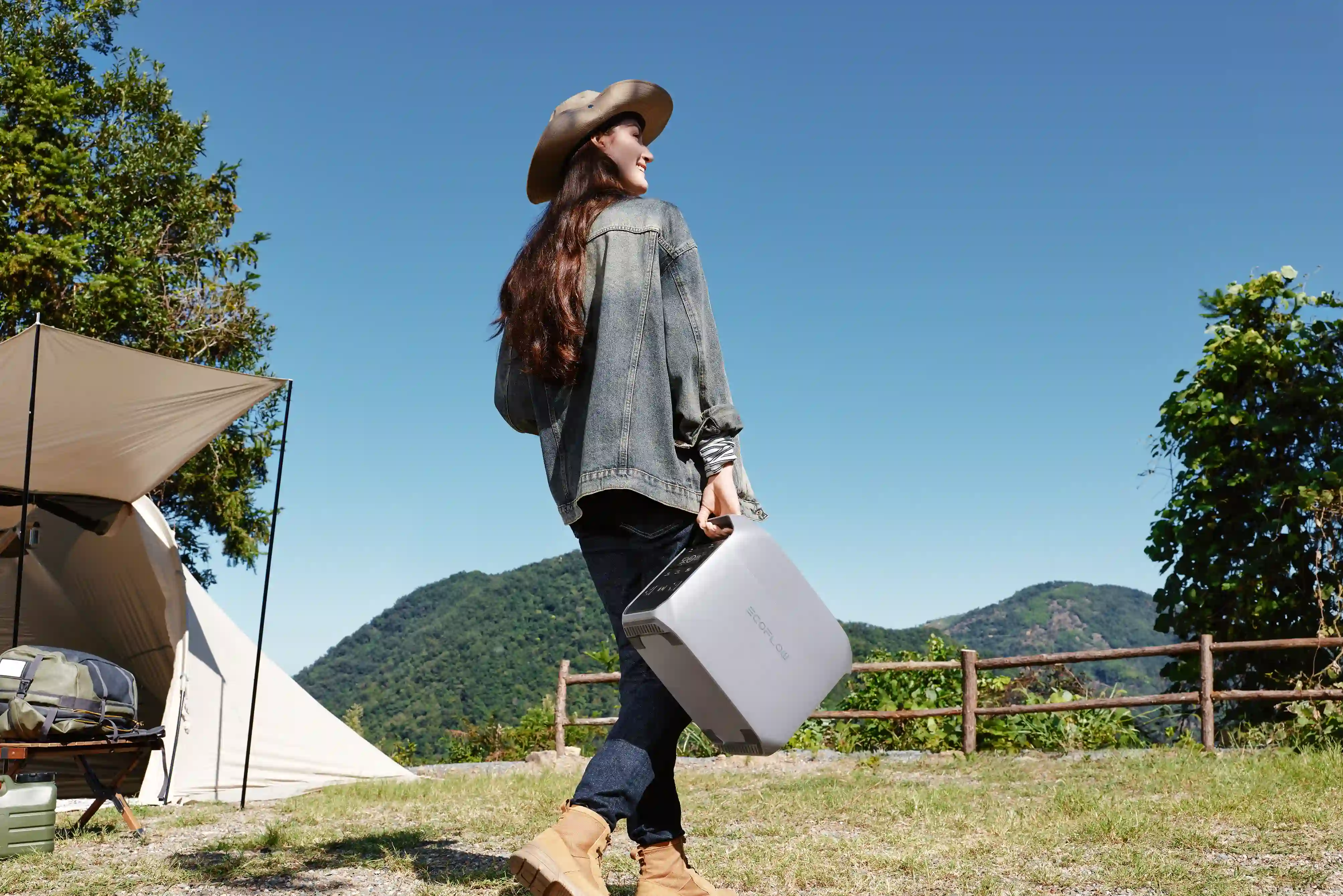
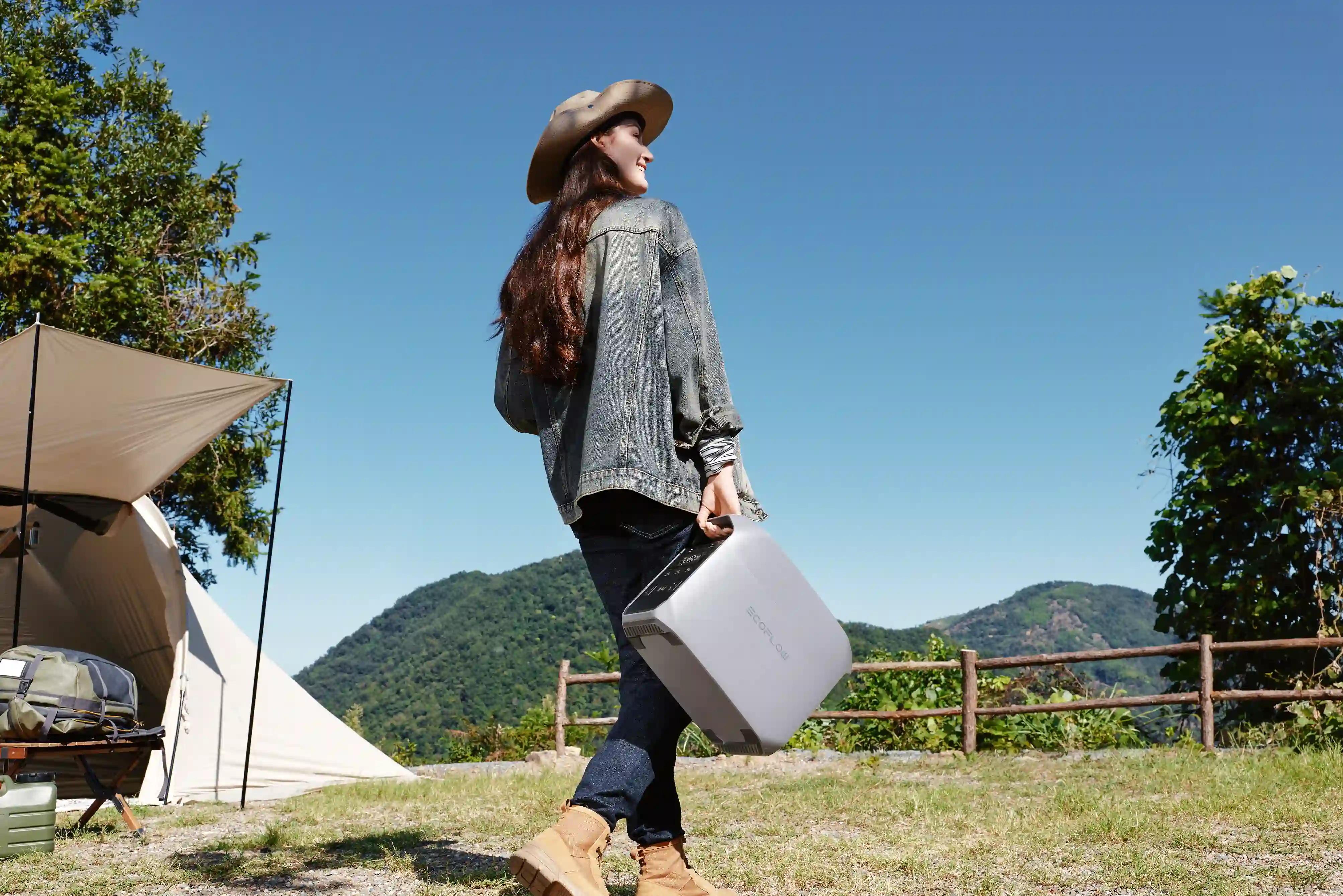
If your cabin has limited power or no grid access at all, a reliable backup supply is essential. Electronics like phones, headlamps, and drone batteries lose charge rapidly when used frequently outdoors. The EcoFlow DELTA 3 Classic Portable Power Station is a solid pick for a weekend or short summer stay. Small enough to haul from the indoor cabin table to the outdoor deck. This reduces reliance on wall outlets, providing a reliable way to keep essential devices charged during daily use.
Use Solar Charging for Longer Stays
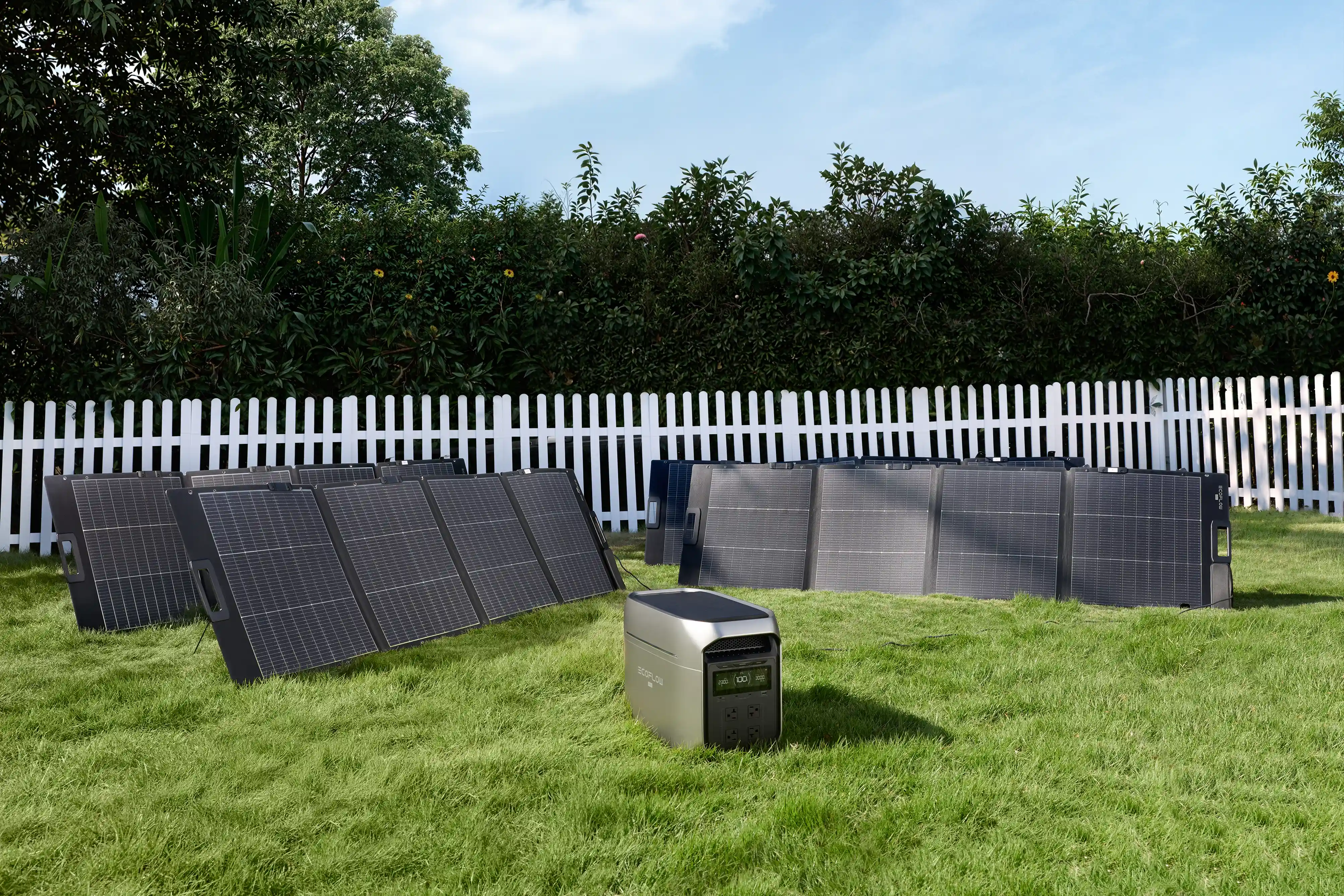
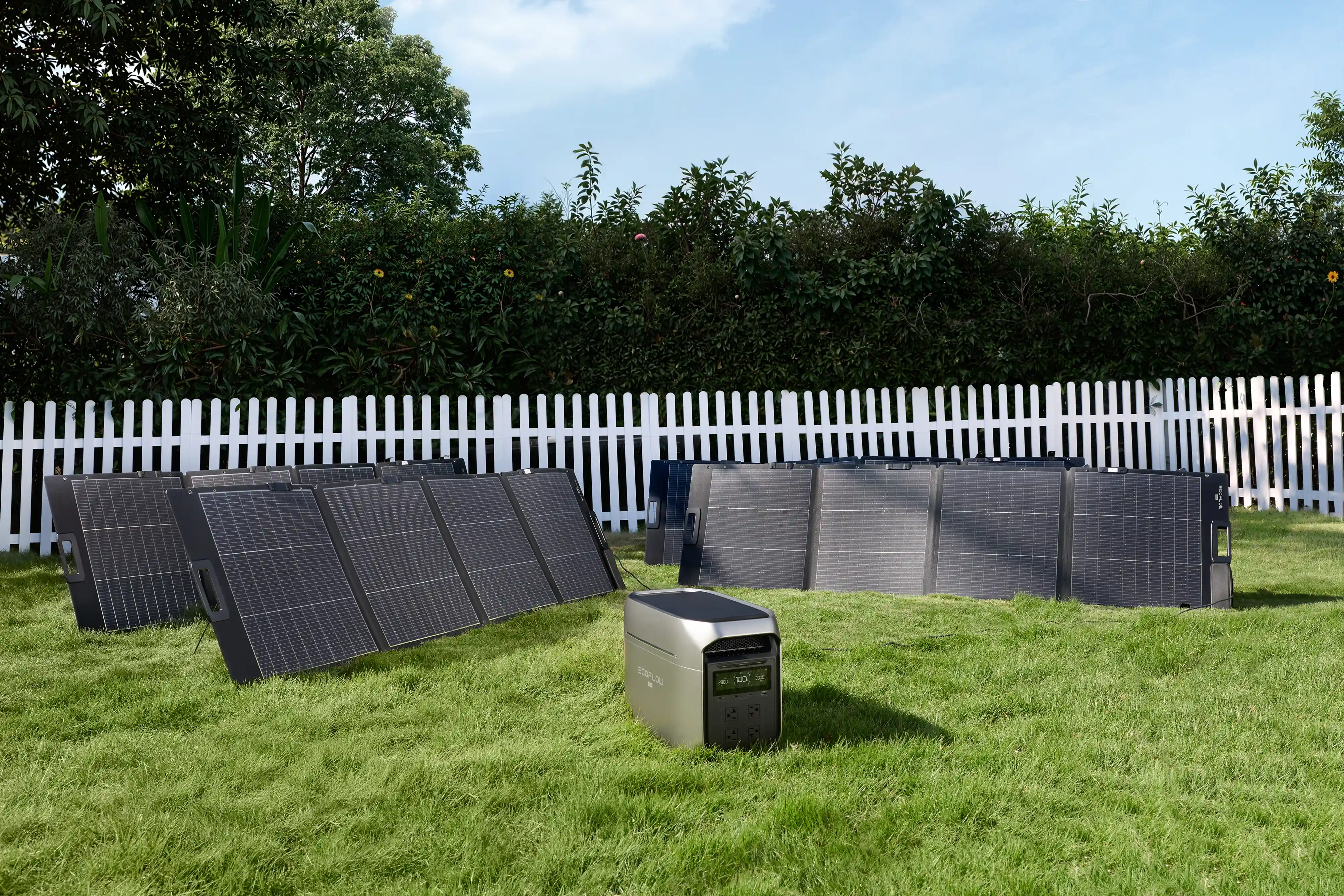
Staying off-grid for a week or more? Pairing your power setup with solar panels ensures continuous energy renewal. The EcoFlow DELTA 3 Max Plus + 400W Solar Panel bundle captures long Canadian summer daylight and tops off your battery reserves. Runs a 12V fridge, camp lights, a CPAP, even a work laptop — no generator racket. And it banks surplus power for the night shift.
Carry Safety and Emergency Supplies
Remote settings require self-reliance. Ensure these essential safety items are on your packing list:
Bear safety gear: Health Canada–approved, in a holster you can easily reach. BC, Alberta, and Northern Ontario, especially.
Comprehensive first aid kit: Antiseptics, blister pads, a tick-removal tool, and antihistamines.
Insect protection: High-concentration DEET or Icaridin bug spray, plus mosquito coils for the porch.
Navigation & lighting: Waterproof topographic maps, high-lumen headlamps, and spare power banks.
How Can You Plan a Comfortable Cabin Vacation in Canada?
A little prep up front means you actually relax when you arrive.
Check Weather and Road Conditions
Northern secondary roads are often rough, washboarded, and prone to severe mud after heavy rainfall. Check highway alerts before you leave. Ask if your access road needs clearance or all-wheel drive. And watch the local forecast — thunderstorms roll in fast.
Select Cabin Amenities Before Booking
Read the listing details. All of it. Avoid the check-in surprises:
Water supply: Confirm whether the tap water is potable municipal/well water. Or are you hauling your own drinking water? Know before you go.
Sanitation: Clarify if the cabin features a modern indoor bathroom, a composting toilet, or a traditional outdoor outhouse.
Connectivity: Wi-Fi, or a total cellular dead zone? Be sure which one you booked.
Plan a Suitable Travel Schedule
When you plan your road trip to the cabin, avoid peak Friday afternoon traffic leaving major hubs like Toronto, Montreal, or Vancouver. Consider leaving Thursday morning or midday instead. Build extra buffer time into your driving schedule for local farmers’ markets, roadside firewood stands, and park permit pick-ups along your route.
Conclusion
In summer, if you want to unplug from daily routines and reconnect with the outdoors, a Canadian cabin trip is hard to beat. Sunrise paddle on a quiet Ontario lake. A ridge hike in the Rockies. Enjoy coffee and read on a cedar deck under tall pines. Get the impressive scenery, the smart packing, and the dependable off-grid power, you can enjoy a smoother, more reliable getaway. Comfortable, memorable — and about as worry-free as vacations get.
FAQ
How Much Does a Cabin Usually Cost?
Rental cabin prices in Canada vary depending on the property’s size, location, and level of luxury. Budget-friendly rustic off-grid outposts represent the most affordable end of the spectrum, while prime waterfront properties in sought-after summer destinations like Muskoka or Whistler command premium rates during peak July and August weekends.
What Is the Best Time of Year for Cabin Trips?
Late June to late September is your premier window for warm-weather cabin trips. July and August offer the best swimming temperatures and longest daylight hours. Early June or September? Cooler nights, way fewer bugs, and some genuinely stunning early-fall foliage color.
What Are Some Good Cabins to Rent for Vacation in Canada?
Popular cabin options include classic lakefront cottages on Lake Muskoka (Ontario), timber chalets near Canmore (Alberta) or Golden (BC), and waterfront eco-cabins around Quebec’s Mont-Tremblant. All booked up fast, so don’t wait.
Is It Possible to Live Off-Grid in a Cabin?
Yes, living off-grid in a Canadian cabin is entirely feasible with the right setup for power, heating, and water. The trick is the setup: high-capacity solar generator systems, wood stoves for heat, rainwater harvesting or deep well pumps, and propane or solar-powered fridges.
How Do I Get Internet at My Off-Grid Cabin in the Canadian Wilderness?
A satellite internet system like Starlink is the wise move for reliable high-speed broadband at a remote, off-grid cabin. If your cabin is within range of a distant cell tower, a cellular LTE signal booster paired with a dedicated mobile Wi-Fi hotspot device can also provide a stable connection.