Canadian Spring Break Travel Advisories 2026: Safe Destinations & Smart Travel Tips
- Why Spring Break Travel Advisories Matter for Canadians in 2026
- Latest Canadian Travel Advisories for Spring Break 2026
- Safe Spring Break Destinations for Canadians in 2026
- Essential Spring Break Travel Tips for Canadians
- How to Stay Safe During Emergencies Abroad
- Travel Essentials That Improve Safety & Comfort
- Common Spring Break Travel Mistakes Canadians Should Avoid
- Conclusion
- FAQs
As the winter slush finally starts to melt across the Great White North, thousands of us are eyeing the calendar for Spring Break 2026. But the travel landscape has shifted quite a bit this year. Between new digital health protocols and a few geopolitical curveballs, checking the official advisories has moved past being a formality, it is a total necessity for anyone wanting to avoid a logistical nightmare at the airport. This guide pulls back the curtain on what you actually need to know for 2026. We’re breaking down the latest safety levels for the hottest destinations, decoding the new entry requirements you’ll face at customs, and offering some strategic advice for those trading an international flight for a rugged getaway in the Rockies or BC.
Why Spring Break Travel Advisories Matter for Canadians in 2026
In 2026, a travel advisory is your most important piece of “financial armor.” With global conditions feeling a bit more fluid than usual, staying informed is the difference between a smooth getaway and getting stranded.
Rising Travel Risks: Weather, Health & Global Instability
In 2026, risks are evolving fast. Record heat has triggered a massive surge in mosquito-borne illnesses like Dengue across the Caribbean, while shifting climate cycles make once-steady tropical weather unpredictable. Meanwhile, global tensions are forcing frequent flight reroutes and spiking insurance premiums.
How Travel Advisories Impact Canadian Travelers
Advisories dictate your insurance validity. Most Canadian policies void medical and cancellation coverage the moment a destination hits “Level 3” (Avoid non-essential travel) or “Level 4” (Avoid all travel). Flying into a flagged zone often means you’re uninsured, risking massive out-of-pocket medical costs.
Where to Find Official Canadian Travel Advisories (Government of Canada)
Trust only Travel.gc.ca for legally recognized risk levels. Use the “Travel Smart” app for offline safety info and a one-tap connection to Canada’s 24/7 Emergency Watch and Response Centre. It’s your direct digital lifeline if a local situation turns south.
Latest Canadian Travel Advisories for Spring Break 2026
As of April 2026, several popular hotspots have seen their risk levels jump. It is vital to look beyond the brochure and see the ground reality for Canadian passport holders before you head to the gate.
High-Risk Destinations Canadians Should Avoid in 2026
Global Affairs Canada urges everyone to avoid all travel to Russia, Iran, and Belarus due to the extreme risk of arbitrary detention and ongoing conflict. In the Middle East, the situation remains highly unstable. Jordan, Oman, and Saudi Arabia are currently flagged under “Avoid non-essential travel” because of regional volatility and the persistent threat of terrorism. If you have a trip booked here, your insurance likely won’t cover you, so it’s a good time to look at the fine print of your cancellation policy.
Popular Spring Break Destinations with Safety Concerns
Mexico is still a favorite, but you need to be surgical about where you land. The state of Sinaloa is under a strict “Avoid non-essential travel” warning, and while resort zones in Jalisco are generally stable, you should stay far away from the Michoacán border. In the Caribbean, both the Dominican Republic and Jamaica are at a “High Degree of Caution” level.
Entry Requirements, Visas & Health Regulations (Post-2025 updates)
The paper trail has gone almost entirely digital for 2026. Many countries now require Digital Entry Permits and biometric scans, like fingerprints or facial recognition at the gate. The UK’s ETA and the EU’s Entry/Exit System are fully live, so you’ll need digital permission before you even board. Also, some nations now demand proof of insurance that covers medical repatriation. Just a heads-up: “medically necessary” is not the same as “medically advisable,” so make sure your plan actually pays to get you back to a Canadian hospital.
Safe Spring Break Destinations for Canadians in 2026
If the current advisories have you rethinking your flight to the Middle East or specific parts of Latin America, there are still plenty of low-risk, high reward options for a sun-soaked or snow-capped break.
Best Warm Destinations with Low Travel Risk
For those seeking Vitamin D without the drama, Aruba, Barbados, and Bermuda remain among the safest tropical destinations for 2026. These nations have maintained stable “Take normal security precautions” ratings, which is the lowest risk level the government issues. While Costa Rica is still a fantastic option, it currently sits at “Exercise a high degree of caution” due to a 2026 uptick in petty crime and tourist-targeted theft. If you head there, the main takeaway is to skip the flashy jewelry and never leave your bag unattended on the beach, even for a quick swim.
Safe U.S. Destinations for Canadian Travelers
Despite a slight shift in travel trends, the U.S. remains our most reliable neighbor. States like Arizona, California, and Hawaii are excellent for Spring Break, though the 2026 advisories remind us to be mindful of petty crime in major urban centers. Another thing to remember: with the FIFA World Cup 2026™ coming up this summer, many U.S. cities are already tightening security and increasing hotel rates. Also, always carry comprehensive out-of-country medical insurance; even a minor ER visit in the States can still run you thousands of dollars, making your provincial health card essentially useless.
Domestic Canadian Getaways (Low Risk, High Reward)
With the Canadian dollar fluctuating, many are choosing a “staycation” that feels like a world away. From spring skiing in Whistler, BC, to the luxury lodges of the Alberta Rockies, domestic travel eliminates visa headaches and currency exchange losses. When researching the Best Places to Travel in Canada, Banff and Jasper are peak favorites, but for something unique in 2026, Newfoundland’s “Iceberg Alley” offers spectacular scenery without the international insurance premiums. Staying within the country also means you bypass the new 2026 biometric entry rules hitting Europe and the UK.
Essential Spring Break Travel Tips for Canadians
Getting ready for a trip is where the real work happens if you want to be a savvy traveler. Whether you’re planning to lounge on a beach or trek through the bush, these steps will ensure you’re actually prepared for whatever 2026 decides to throw your way. Travel essentials like digital document backups and localized emergency contacts are the foundation of a modern safety plan. Basically: a little legwork now saves a massive headache once you’re on the ground.
Before You Go: Planning & Documentation
The first thing to check is your passport expiry date. Even if it hasn’t technically expired, many countries in 2026 require at least six months of validity beyond your return date to let you board. Also, take two minutes to sign up for the Registration of Canadians Abroad service. It’s a free, direct line to the government so they can find you if a natural disaster or an emergency hits your destination, or if something happens back home and your family can’t reach you.
Packing Smart for Changing Climates
2026 has been a bit of a wildcard for “shoulder season” weather. Layering is really the only way to play it. Even if you’re headed south to Mexico, pack a light windbreaker and actual walking shoes. Between unexpected rain squalls and the aggressive AC in airports, you’ll want more than just flip-flops. If you’re driving through the Rockies, keep a “go-bag” in the trunk with a warm fleece and a solid power bank. I’ve seen enough spring mountain storms to know that a dead phone and a stalled car are a bad mix.
Staying Safe While Traveling
Keep digital scans of your ID in a secure cloud drive so you aren’t stranded if your physical wallet goes missing. When you’re out, skip the flashy jewelry in areas flagged for “High Caution”, it’s just not worth the attention. Also, stick to official apps like Uber or Lyft for rides. In 2026, many major tourist hubs have “verified” pickup zones; use them instead of hailing unmarked cabs on the street. It gives you a GPS trail and a record of who’s driving, which is the ultimate peace of mind when navigating a new city.
How to Stay Safe During Emergencies Abroad
Even the best-laid plans can hit a snag, and in 2026, knowing the right protocols for travel disruptions can save your sanity. Whether it’s a sudden health issue or a flight delay, here is how you handle the chaos without losing your cool.
What to Do in Case of Illness or Injury
If you get sick, the catch is that you need to contact your insurance provider before seeking non-emergency treatment to ensure you’re in their network. By April 2026, most Canadian insurers have fully integrated 24/7 telehealth, so you can video call a Canadian doctor from your hotel room. For those in isolated areas, maintaining a reliable solar generator ensures your connection stays powered long enough to complete a medical consultation without power failure. They can often provide a prescription you can pick up locally, helping you avoid the sky-high costs of an international emergency room visit.
Handling Flight Cancellations & Delays
Under Canada’s Air Passenger Protection Regulations, you might be entitled to compensation for delays within the airline’s control. But here is the thing: new 2026 draft rules have given airlines more leeway to avoid paying for “unforeseeable technical defects,” so don’t just take a “no” at the gate. Keep every single receipt for food and hotels, and use the airline’s app for rebooking rather than waiting in a terminal line that is not moving.
Natural Disasters & Political Unrest: What Canadians Should Know
If a situation escalates, your first move is to follow local authorities and monitor the Canadian Embassy’s social feeds. Have an exit strategy and a “go-bag” ready with your essentials, including a way to keep your phone alive. For 2026, Canada has introduced special measures like “NaturalDisaster2026” codes for priority document replacement if you’re caught in a major event. If you need immediate help, you can now reach the Emergency Watch and Response Centre in Ottawa via WhatsApp or Signal for an encrypted, direct lifeline.
Travel Essentials That Improve Safety & Comfort
Modern travel requires modern solutions. As we lean more on technology for navigation and safety, your “digital lifeline” becomes your most important piece of luggage. If your phone dies in a foreign city or a remote trail, you lose your maps, your translator, and your emergency contacts all at once.
Powering the New Era of Canadian Road Trips: From Van-life to Mobile Offices
By 2026, the classic Spring Break road trip has taken on a new look. To dodge the headache of high risk international travel, more Canadian families are choosing off grid adventures through the Rockies or along the BC coast. But here’s the thing: this shift brings some serious safety hurdles. In remote mountain passes where cell signals vanish and charging stations are nowhere to be found, a dead battery can instantly cut off your GPS and satellite comms.
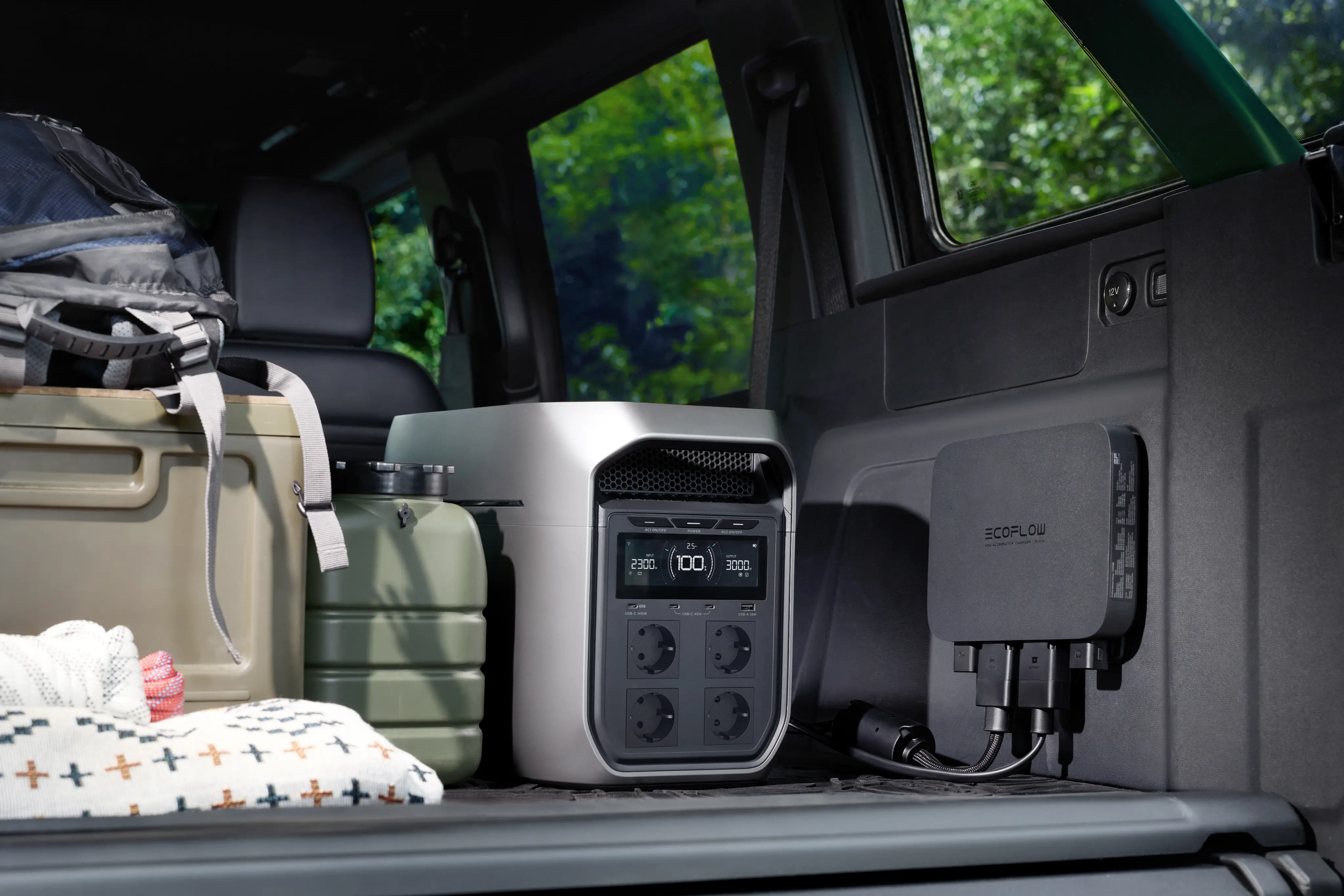
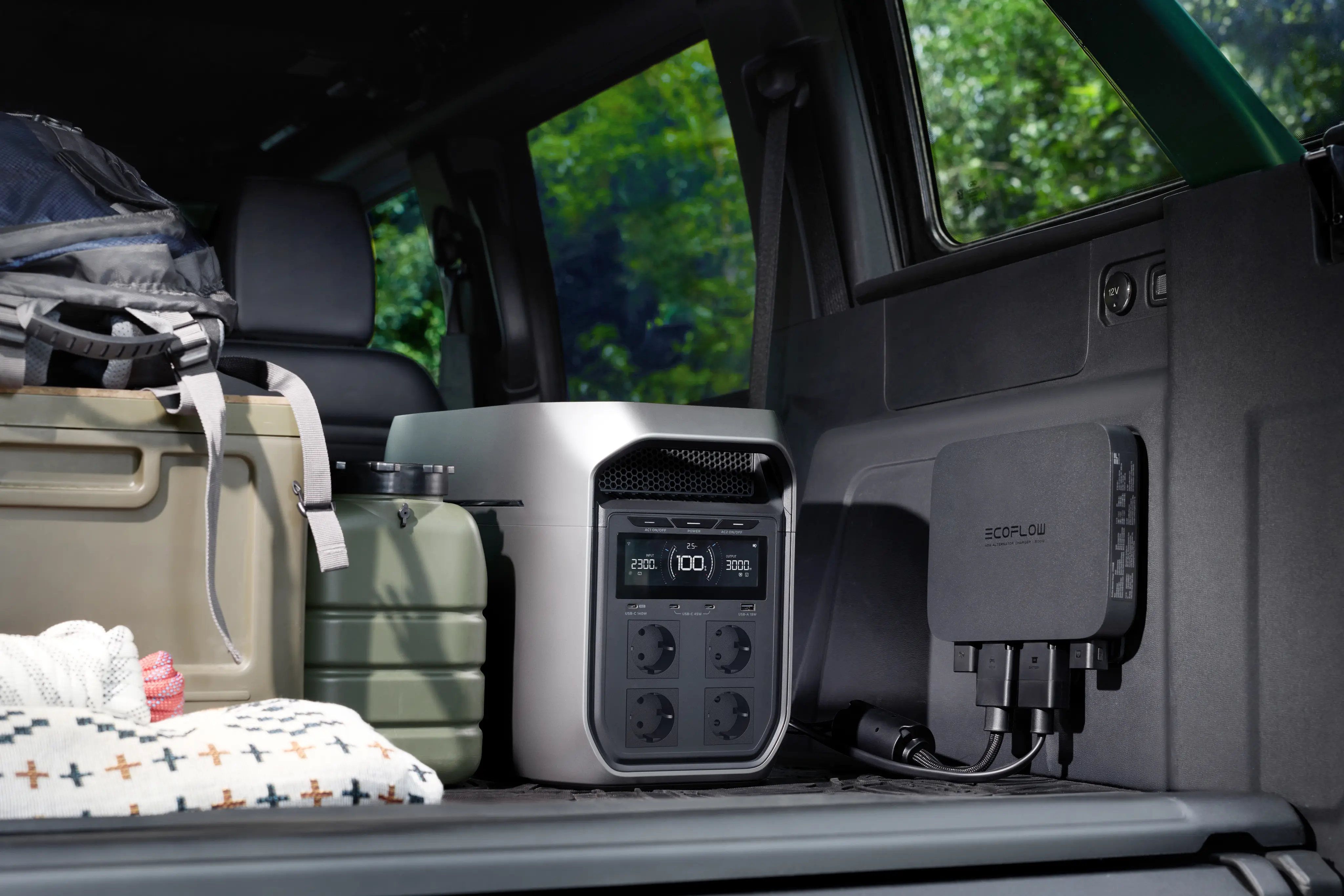
In these spots, the EcoFlow DELTA 3 Max Plus Portable Power Station (2048Wh) acts as your “electrical safety net.” Its 2kWh capacity is plenty to keep the family’s essential gear running if you get stuck in a spring blizzard. For SUV owners, the compact build is a total lifesaver, it actually tucks into a corner even when the trunk is overflowing with skis and camping gear.
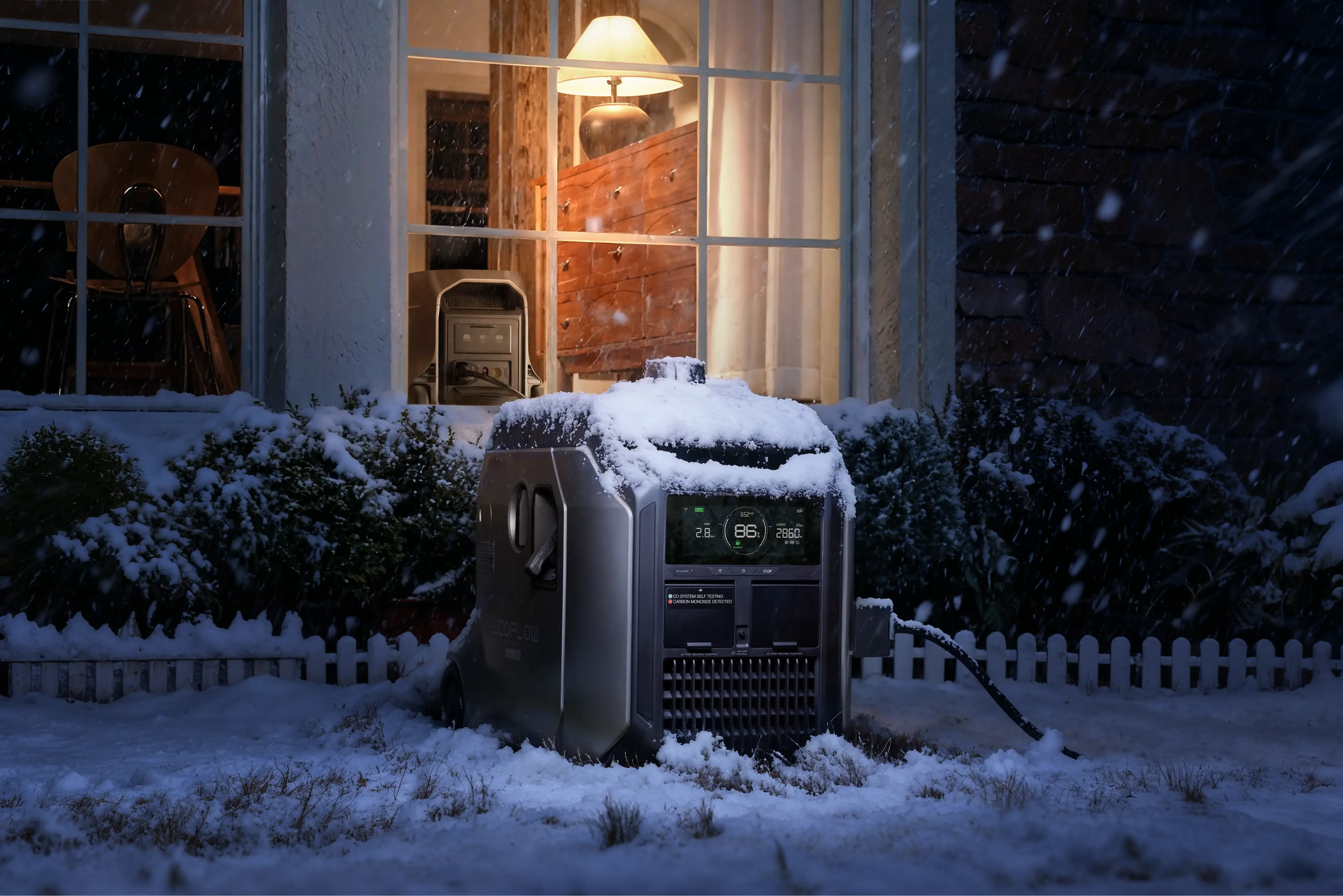
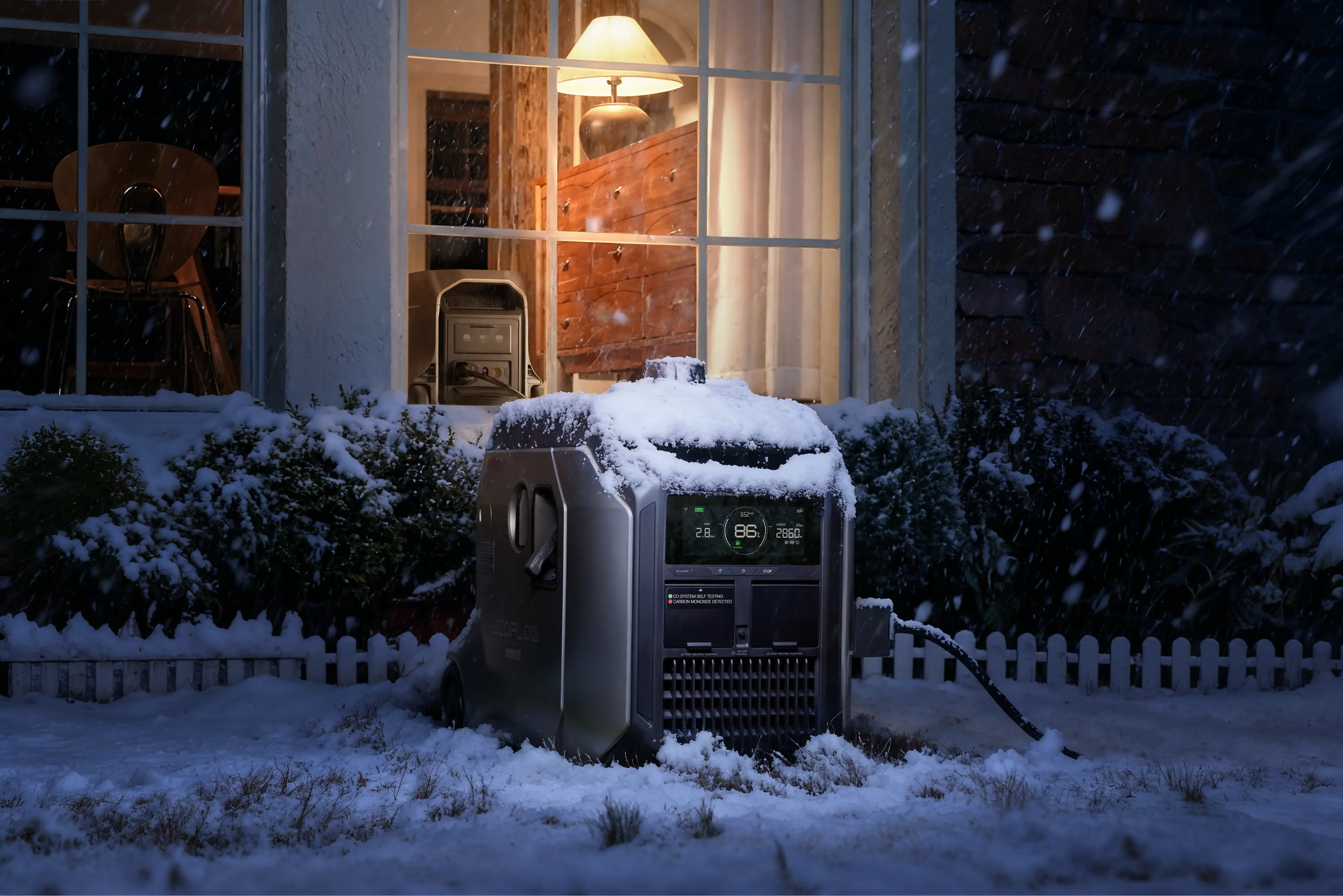
If you’re a more hardcore overlander, the DELTA 3 Ultra Plus Portable Power Station (3072Wh) has enough juice to run portable heaters or even a small AC unit. Truth be told, when you’re deep in the Canadian wilderness, the best travel advisory is simply anticipating the worst. Here’s the key: reliable power provides the peace of mind that comes from knowing you won’t be left in the dark.
Cooling & Comfort Devices for Warm Destinations
If you are heading to the tropics, portable neck fans and UV-filtering clothing are must-haves for 2026. With temperatures hitting record highs in the Caribbean, heat stroke is a genuine risk that can be mitigated with the right gear. I’ve seen travelers dismiss the heat until they’re stuck in a customs line with no AC; having a personal cooling device makes a massive difference.
Smart Travel Gadgets for Connectivity & Safety
In 2026, your “digital lifeline” is your best safety net. If you’re heading off-grid in the Rockies, a Garmin inReach or Zoleo is a must-have for when cell service vanishes. These allow you to call for help or check in from anywhere. To track your gear, toss an AirTag into your luggage and passport cover. Pairing these with a portable power station ensures your tracking devices and emergency communicators never run out of juice.
Common Spring Break Travel Mistakes Canadians Should Avoid
Avoiding these frequent pitfalls will keep your holiday on track and your budget intact. Here’s the point: a little legwork now saves a massive headache once you’re on the ground.
Ignoring Travel Advisories
Ignoring official warnings kills your insurance coverage instantly. In 2026, safety levels shifted fast, for example, Global Affairs Canada recently flagged specific zones in Mexico and the Middle East as “Level 3” (Avoid non-essential travel). Always check Travel.gc.ca the morning you fly; if your destination hits Level 3 before you land, your policy likely won’t pay a cent.
Underestimating Weather Differences
The jump from a Canadian winter to tropical heat often triggers heat stroke on day one. Also, 2026 has seen a massive surge in mosquito-borne illnesses like Dengue and Chikungunya across the Caribbean. These daytime biters are thriving in record heat, so use professional-grade repellent and give your body 24 hours to acclimate before doing anything strenuous.
Skipping Travel Insurance
This is a massive financial gamble. Provincial plans like OHIP or MSP pay almost nothing abroad, B.C. usually only covers $75 a day, while a U.S. hospital can charge $10,000 for a single night. Buy supplemental medical insurance every time. With 2026 healthcare costs at record highs, an uninsured ER visit for something as simple as a broken bone can derail your finances.
Overpacking or Packing the Wrong Items
Watch out for the 2026 “Economy Basic” baggage trap. Most Canadian airlines now exclude standard carry-on bags for these fares to the U.S. and the Caribbean. If your bag doesn’t fit under the seat, you’ll be hit with a $65+ gate-check fee. Pack light and remember that “just in case” items are almost always cheaper to buy locally than at the airport.
Conclusion
Spring Break 2026 is a massive chance for adventure, whether you’re hitting the BC coast or the white sands of Aruba. The long and short of it is: staying informed through official Canadian travel advisories and packing the right gear, like a solid power station, is the only way to keep things stress free. Another thing is that respecting local health and safety rules keeps both you and your insurance policy safe. Bottom line, do the prep work so you can actually relax. You’ve earned the break, so travel smart and stay powered.
FAQs
Is it safe for Canadians to travel internationally in 2026?
Yes, but the map is shifting fast. While many spots are stable, Global Affairs Canada currently warns against all travel to Russia, Iran, and Belarus. Bottom line: it’s safe if you’re selective, but check Travel.gc.ca the morning you fly since risk levels can jump overnight.
What is the safest warm destination for Spring Break?
For 2026, Aruba, Barbados, and Bermuda are your best bets, as they still hold the “Normal Precautions” rating. Costa Rica is currently flagged for a “High Degree of Caution” due to petty crime. To avoid insurance headaches, stick to the islands that are still holding a green light.
Do Canadians need travel insurance for U.S. trips?
Absolutely. Provincial plans like OHIP or MSP cover almost nothing across the border, BC typically pays just $75 a day, while a U.S. hospital can charge $10,000 for one night. Without supplemental insurance, a single ER visit can derail your finances for years.
How often are travel advisories updated?
They are updated the moment conditions change on the ground. In 2026, volatile regions often see updates multiple times a day. Most stable spots get a review twice a week, but the government uses real time feeds to keep risk levels accurate during any crisis.