Big Hill Springs Provincial Park Guide: Things to Do, and Visitor Tips
- What Makes Big Hill Springs Provincial Park Unique?
- What Things Can You Do at Big Hill Springs Provincial Park?
- When Should You Plan a Visit to Big Hill Springs Provincial Park?
- What Should You Bring to Big Hill Springs Provincial Park?
- Tips to Improve Your Big Hill Springs Provincial Park Trip
- Conclusion
- FAQ
Calgary has no shortage of mountain day trips, but most require a long drive and an early start. Big Hill Springs Provincial Park wants neither. It's a 30-minute drive northwest of the city, minutes from Cochrane, and the park can easily be enjoyed in an afternoon: a chain of low waterfalls, springs that run twelve months a year, tufa rock ledges, a newly upgraded loop trail. This guide walks through what makes the place unusual, what's worth doing there, when to go, what to pack in your vehicle, and the questions people ask before a first visit.
What Makes Big Hill Springs Provincial Park Unique?
For a small park, Big Hill Springs carries a lot. Year-round springs, limestone formations, walking paths nobody would call hard, which would normally require an entire day collecting those across several stops. Here they sit on one short trail. Families from Calgary have long recognized this advantage, which is reflected in glowing Big Hill Springs Provincial Park reviews and explains why the lot stays busy.
Discover Natural Springs and Waterfalls
Mountain creeks around here keep a calendar: frozen solid in winter, down to a trickle by late summer. The springs ignore both. Groundwater pushes up through the surrounding limestone and holds the flow steady, at a temperature that remains remarkably stable throughout the year. Walk the wooden boardwalks and you hear it before you see much of anything: small, clear pools spilling over low ledges, one after another.
Explore Limestone Formations and Landscapes
The ledges along this creek were built by the water itself. Dissolved minerals settle out of the spring flow, harden, and become tufa, a porous limestone that grows in thin terraces and odd little shelves. Thousands of years of that, season stacked on season. From the trail you catch the process mid-shift: moss-covered crusts, new water still running over them.
Observe Local Plants and Wildlife
A sheltered valley with permanent moisture is a microclimate, and the plant list reads like one. Watercress in the creek, thick mosses on the rock, balsam poplars overhead. White-tailed deer work the creek edges. Birders who listen are rewarded with chickadees and Great Horned Owls, and migratory songbirds nest in the dense aspen canopy. Because this delicate environment requires strict noise and pollution controls, traditional gas generators are prohibited; visitors needing off-grid power for day-use setup or vehicle accessories often rely on a silent, emission-free solar generator to power their gear safely.
What Things Can You Do at Big Hill Springs Provincial Park?
Most visitors walk the loop, take a few photos, and are often back at their vehicles within an hour or two. Fair enough. But the park pays you back for slowing down: photography, wildlife watching, a picnic that makes the drive truly worthwhile.
Enjoy Hiking and Nature Walks
If you are interested in exploring hiking trails near you around the Calgary area, start with the Big Hill Springs Trail, a well-kept 2.4-kilometre loop. It wanders the valley floor, then climbs just enough to open up views over the valley. Alberta Parks has upgraded the route in recent years — raised boardwalks, footbridges, well-graded stairs — so the full circuit works for young kids, seniors, and casual walkers.
Take Photos of Scenic Views
If you are hoping to capture stunning Big Hill Springs Provincial Park photos, come early. Low sunlight through the poplar leaves turns the spring water gold, and it doesn't last long. Autumn is the other window: the valley goes yellow and amber all at once, and on fall weekends the trailhead fills with family portrait sessions. If you're planning a long shoot or flying a drone, throw a portable power station in your trunk. It keeps camera batteries, gimbals, and phones topped up so you don't run out of juice right when the light gets good. Worth planning around, either way.
Explore Nearby Outdoor Attractions
A full lap of Big Hill Springs takes under two hours, making it an easy stop as you plan your road trip through Rocky View County. Enjoy ice cream at MacKay's in downtown Cochrane afterwards, stretch your legs on the bigger trail network at Glenbow Ranch Provincial Park, or drive west toward the front ranges of Kananaskis Country.
When Should You Plan a Visit to Big Hill Springs Provincial Park?
The best time to visit largely depends on your preferences. Summer offers the most accessible walking conditions. Winter brings unique scenery, featuring dramatic ice formations built up around springs that continue to flow year-round.
Visit During the Summer Hiking Season
June through August is the most popular stretch, characterized by a full canopy, a lush green valley, and cool air rising off the creek. On a hot prairie afternoon, that refreshing breeze is a welcome relief. It is also when families arrive in larger numbers, so solitude is unlikely during peak hours.
Choose Days With Suitable Hiking Conditions
Selecting the right day to visit ensures a safer and more enjoyable experience on the trails. Periods of heavy rain or rapid temperature swings can make unpaved sections wet, muddy, or slick, so checking recent precipitation and trail reports helps avoid challenging terrain. When freezing temperatures occur, choosing clear days with stable conditions allows for safer navigation of icy steps and wooden walkways. Reviewing the local forecast for Cochrane or Calgary before heading out ensures that trail and weather conditions align with your group's comfort level.
Visit Earlier for a Quieter Experience
On sunny weekend afternoons, the parking lot fills quickly. Arriving before 10:00 AM or visiting on a weekday afternoon is often the key to enjoying a quiet walk instead of waiting for a parking spot.
| Season | Trail Highlights | Recommended Gear & Tips |
|---|---|---|
| Summer (Jun – Aug) | Lush foliage, flowing waterfalls, shaded canyon walks | Bug spray, sunscreen, peak weekend crowds (arrive early) |
| Autumn (Sep – Oct) | Golden poplar trees, crisp air, reduced trail traffic | Light jacket, camera for fall foliage |
| Winter (Nov – Mar) | Ice formations, steaming open springs, quiet trails | Ice cleats/microspikes, warm layers, thermos with hot tea |
| Spring (Apr – May) | Active birding, fresh blooms, high spring flow | Waterproof hiking boots for muddy trail patches |
What Should You Bring to Big Hill Springs Provincial Park?
You don't need much for this park. A little forethought, though, turns a short outing into an easy day in the foothills.
| Category | Essential Items | Why It Matters |
|---|---|---|
| Footwear | Sturdy trail runners or hiking boots | Ensures grip on wet wooden boardwalks and dirt tracks |
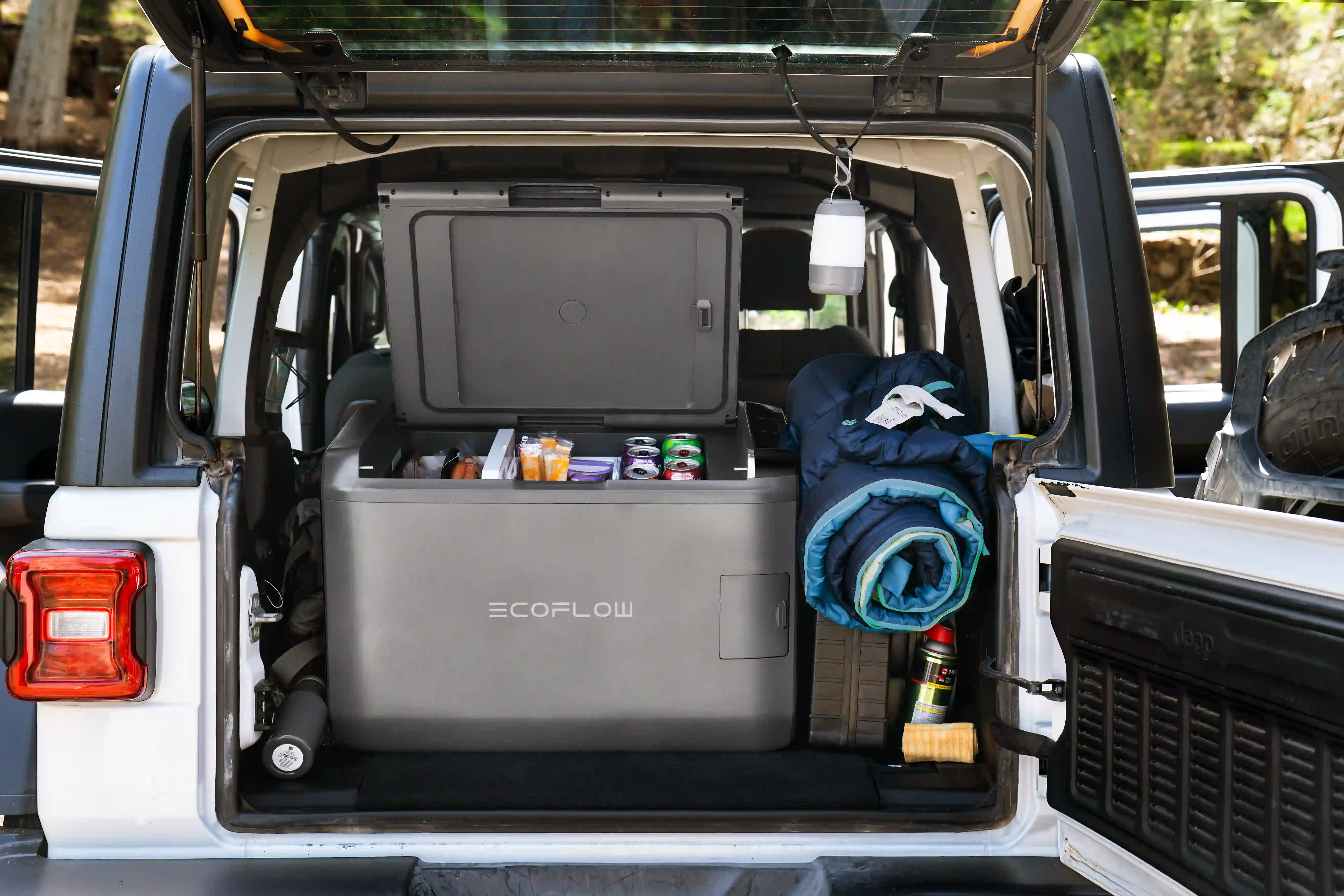
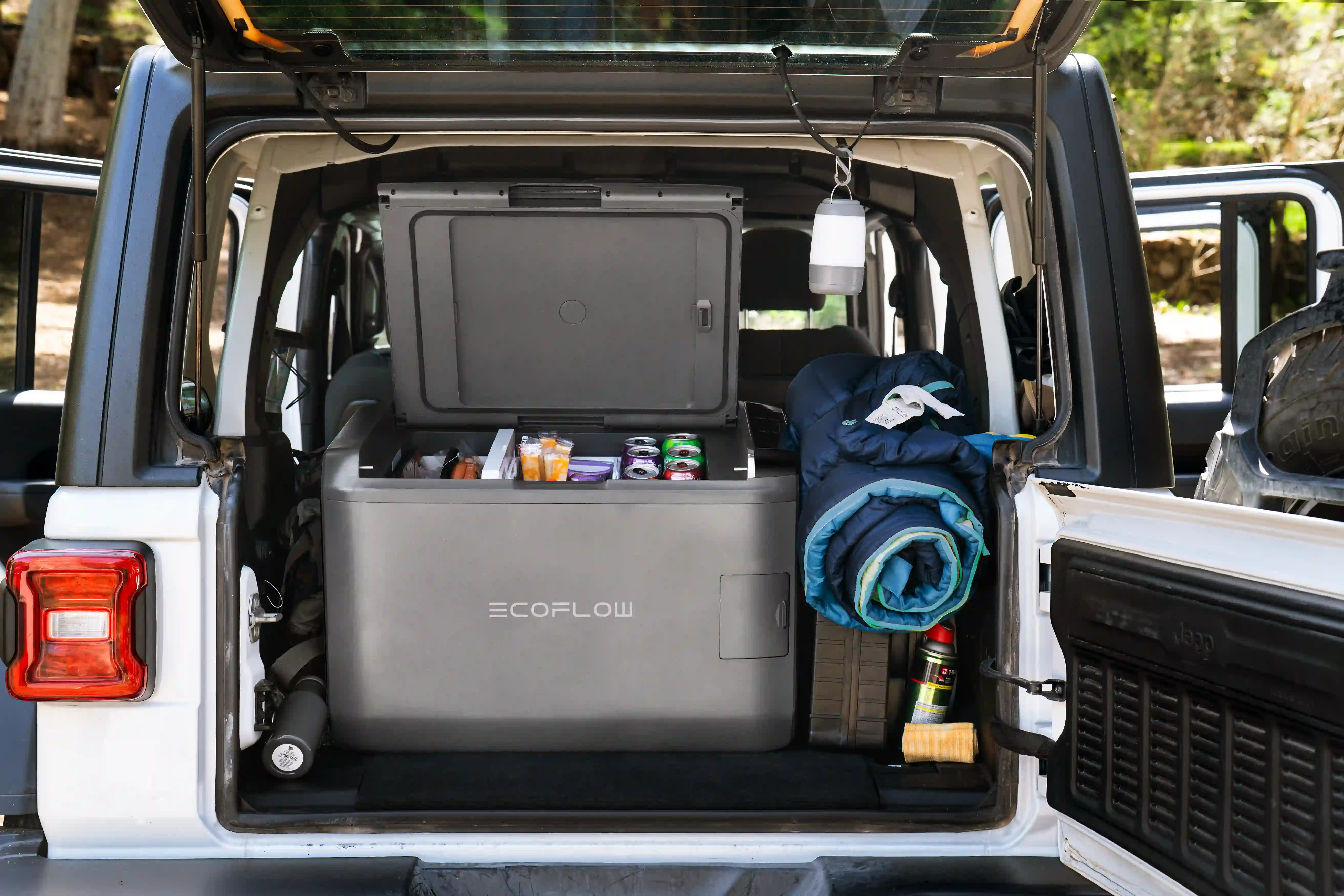
| Food & Drinks | Fresh snacks, water bottles, EcoFlow GLACIER Classic | Keeps food cold and fresh in vehicle for post-hike picnics |
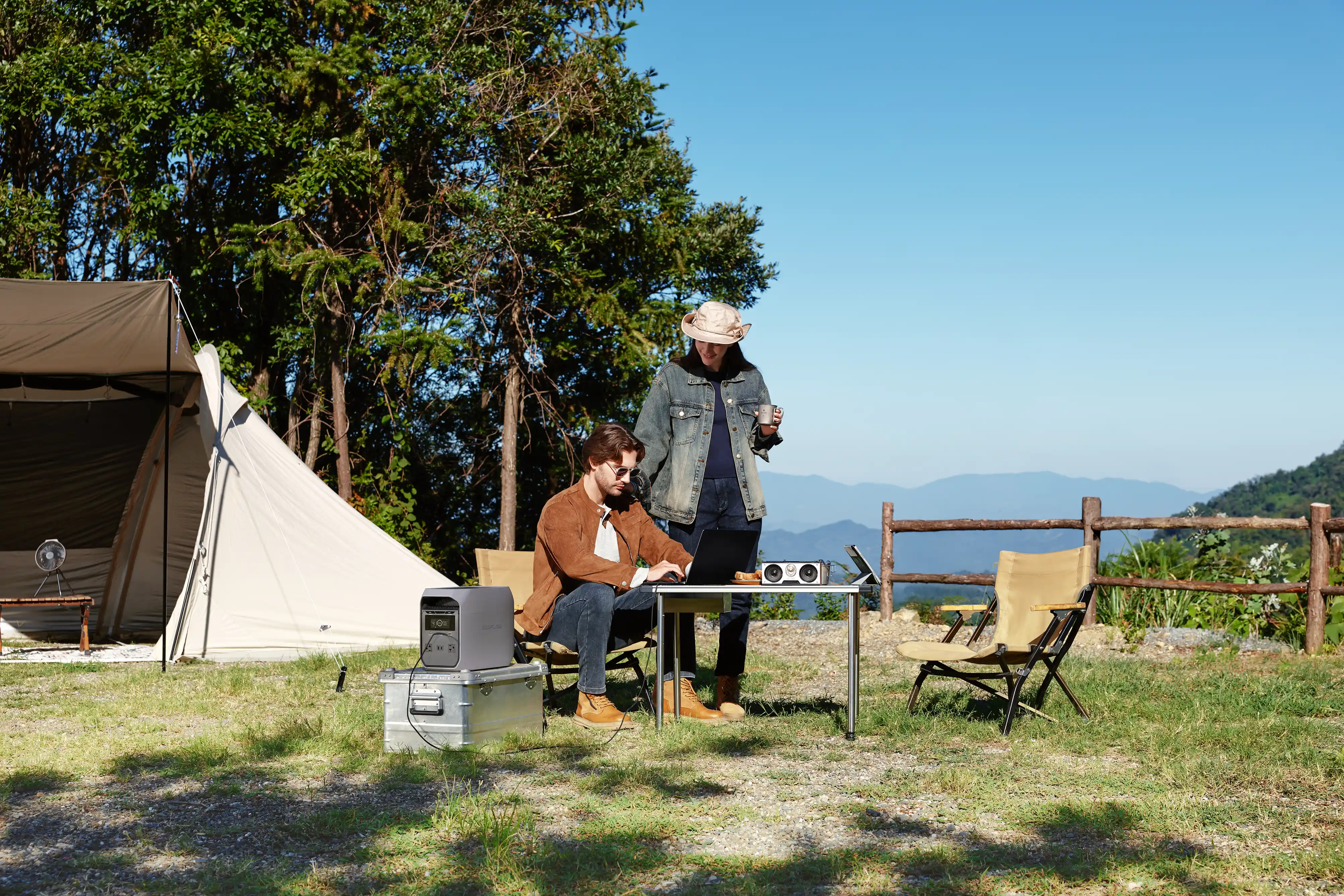
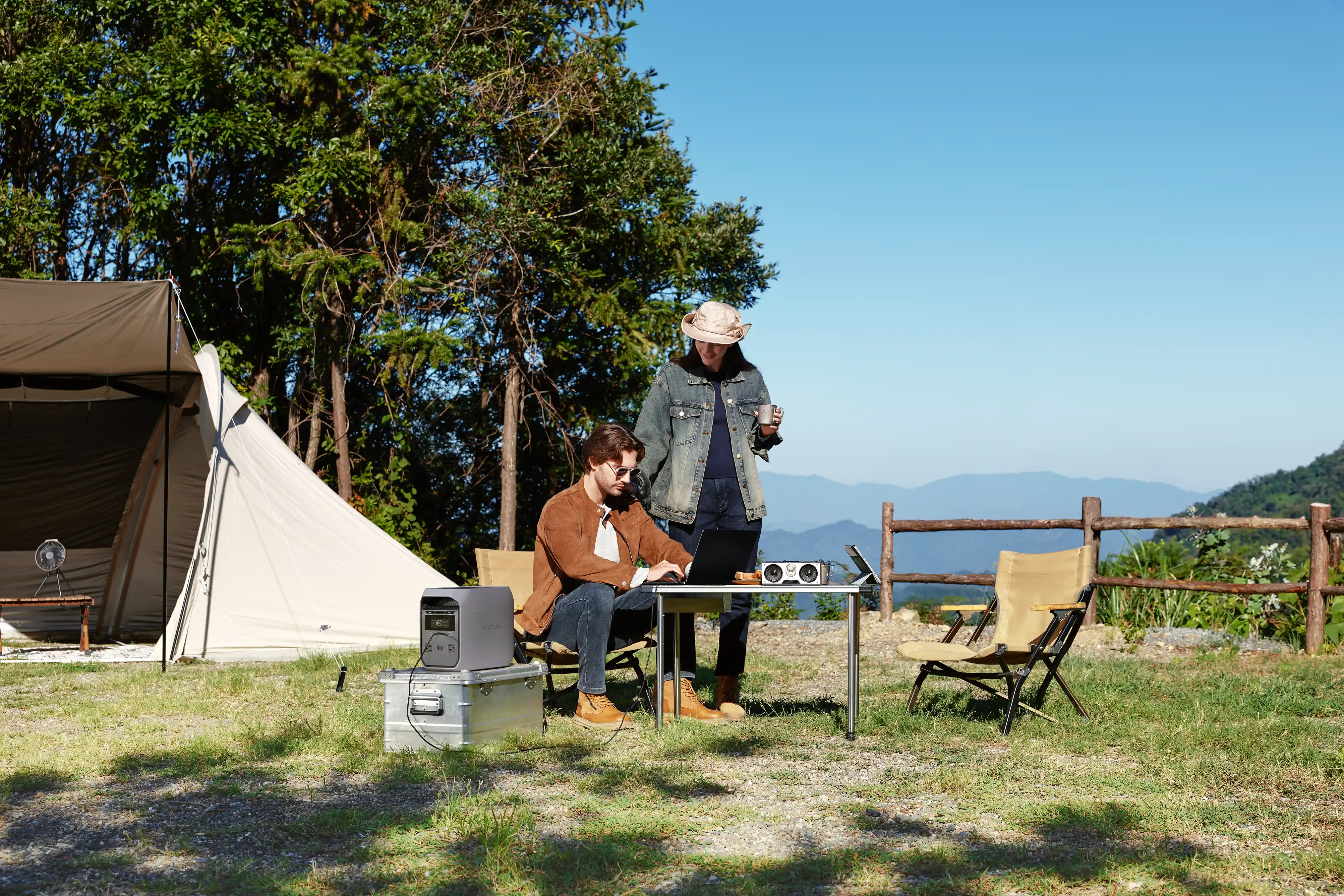
| Electronics | Phone, camera, EcoFlow DELTA 3 Classic | Maintains backup battery power for photography and navigation |
| Safety & Weather | Rain jacket, bear spray, sun hat, bug spray | Protects against unpredictable Alberta weather shifts |
Prepare Supplies and Storage Solutions
Food and beverage services are not available within the park, as there are no concession stands or vending machines on site. Visitors should bring their own food and drinks, which can be enjoyed at the picnic tables near the parking area. For extended outings or multi-stop Alberta road trips, maintaining proper food temperature often requires extra planning. A vehicle-based unit like the EcoFlow GLACIER Classic Portable Fridge Freezer offers a practical solution for temperature-sensitive storage. Featuring dual refrigeration and freezing zones, it helps keep food and beverages chilled without relying on traditional ice packs, offering a practical option for managing meals during day trips.
Pack Comfortable Hiking Gear for Trails
The loop rates are easy to moderate, but footwear still matters. Trail runners or light hiking shoes with decent grip handle the wooden stairs and gravel fine. Throw in a light windbreaker or rain shell no matter what the morning looks like — foothills weather turns fast, and a sudden Chinook or a quick shower is always possible.
Bring Devices and Backup Charging Options
Navigation apps, photography, and video recording can drain mobile phone batteries quickly during outdoor activities. For longer outings, multi-stop day trips, or camping, an external power supply provides backup electricity for essential gear. A compact unit like the EcoFlow DELTA 3 Classic Portable Power Station can be stored in a vehicle trunk to recharge smartphones, camera batteries, drones, and small electronics when off the grid.
Tips to Improve Your Big Hill Springs Provincial Park Trip
None of this is complicated. A few habits will keep your visit safe and the park in good shape.
Review Park Access Information
Big Hill Springs is day-use only, sunrise to sunset, all year. One detail worth knowing: you do not need to buy Big Hill Springs Provincial Park tickets or park passes, as entry to this day-use provincial park is completely free.
Follow Posted Trail Guidelines
Stay on the marked trails and boardwalks. The riparian zones are sensitive, the tufa crumbles under boots, and Alberta Parks spent real money on those boardwalks and stairs precisely to keep feet out of the spring channels. Every shortcut undoes that work.
Prepare for Changing Conditions
The weather here turns inside an hour. Check the Cochrane/Calgary forecast before you leave, and keep a warm layer in the car even in July. A sudden wind or temperature drop should be an inconvenience, not the end of your day.
Respect Wildlife and Local Ecosystems
Pack out everything you pack in, fruit peels included. Leave No Trace principles apply here just as much as they do in the backcountry. Bears pass through Rocky View County from time to time, so carry bear spray in an easily accessible hip holster and ensure you know how to use it, just like on any other Alberta trail.
Conclusion
You don't have to drive deep into the High Rockies to find the Alberta you came for. Big Hill Springs proves that inside an afternoon: year-round flowing waterfalls, tufa ledges still growing under the springs, a boardwalk loop that suits hikers of all skill levels. Go early, wear the right shoes, bring food and a way to keep things charged, and enjoy a seamless outdoor experience.
FAQ
How Long Is the Big Hill Springs Hike?
About 2.4 kilometres for the loop. At a relaxed pace that takes 45 to 90 minutes, and relaxed is the right word. The elevation gain is gentle, while the boardwalks, footbridges, and waterfalls offer constant reasons to pause along the way, so it rarely feels like strenuous exercise.
What Is the History of Big Hill Springs Provincial Park?
The park was officially established in 1957, but its working history runs much older. In the late 1800s, the site hosted one of Alberta's earliest commercial creameries, which selected this location for the same cold, constant-temperature spring water visible today. Remnants of these historical structures still stand near the park entry.
Is There Camping at Big Hill Springs Provincial Park?
No, Big Hill Springs is strictly for day use, with no overnight camping permitted. If you want to stay nearby, Cochrane offers full-service RV parks and campgrounds, as do Ghost Lake and the Bow River corridor.
Is Big Hill Springs Provincial Park Dog Friendly?
Yes, with specific conditions. Dogs must remain on a physical leash at all times, and owners are required to clean up after them. Pets should also stay on the boardwalks, as paws can disturb the delicate stream beds and surrounding wildlife.