Portable Air Conditioner Guide: How to Choose and Use One
- Types of Portable Air Conditioners
- How Do Portable Air Conditioners Work?
- Pros and Cons of Portable AC
- What Size Portable Air Conditioner Do You Need?
- Other Features to Look for in a Portable Air Conditioner
- How Do You Vent a Portable Air Conditioner Properly?
- How to Maintain a Portable Air Conditioner for Best Performance?
- Conclusion
- FAQs
A portable air conditioner can be a lifesaver when the heat gets uncomfortable, and installing a permanent AC just isn’t an option. Whether you live in a rental, want to cool a single room, or need something you can move around easily, portable air conditioners offer a practical solution. Still, choosing the right one can feel confusing.
There are different sizes, features, venting types, and price ranges, and not all models work the same way. In this article, we’ll break things down. This guide to portable air conditioners will show you how portable air conditioners work, how to pick the right model for your space, and how to use it efficiently without wasting energy or money.
Types of Portable Air Conditioners
Not all portable ACs work the same way. The main difference comes down to how they move air and handle heat. Here are the three most common types, explained simply.
1. Single-Hose Portable ACs
Single-hose models utilize a single hose to draw in air and expel hot air back outside. Because the same hose handles both jobs, these units are less efficient and often pull cooled indoor air out of the room, making the AC work harder to maintain the temperature. That said, single-hose portable ACs are usually the most affordable option, ideal for small rooms or light use.
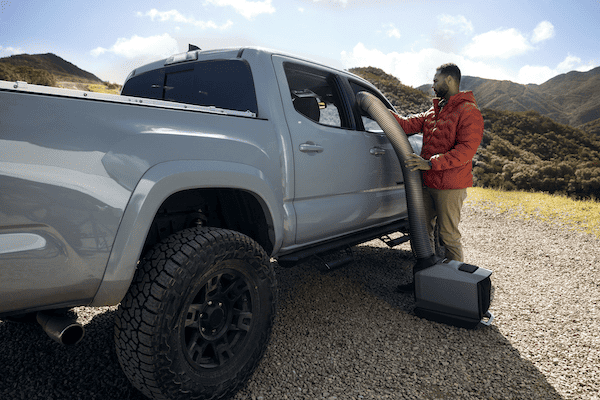
For those who want more versatility, the EcoFlow WAVE 3 Portable Air Conditioner offers versatile, year-round comfort with rapid cooling and heating that adjusts to any season. Designed for mobility, it features a dual-exhaust system for faster temperature control and a smart app for seamless wireless management. This easy-to-set-up unit provides hours of continuous comfort, making it a powerful choice for those seeking high-performance portable climate control.
2. Dual-Hose Portable ACs
A dual-hose portable AC uses two separate hoses. One hose pulls in outside air to cool the system, while the other vents hot air out. This setup keeps indoor air pressure more balanced and improves cooling efficiency. These models cool rooms faster and work better in larger spaces or hotter climates. They do cost more than single-hose units, but the improved performance often makes the price worth it.
3. Self-Evaporating Systems
Self-evaporating portable ACs are designed to handle moisture more efficiently. Instead of collecting water in a tank that needs frequent emptying, these systems reuse condensation to help cool the unit and vent moisture outside. This reduces maintenance and improves overall efficiency, especially in humid environments. While not completely drain-free in extreme humidity, self-evaporating models are much more convenient for everyday use.
How Do Portable Air Conditioners Work?
Portable air conditioners cool a room by pulling in warm air, removing the heat, and pushing cool air back out. The process follows a simple cycle.
Step 1: Warm Air Is Pulled In
The unit draws warm air from the room through an intake vent. A built-in fan moves this air toward the cooling system inside. In dual-hose models, one hose pulls air from outside while the other pushes hot air out.
Step 2: Heat Is Absorbed By The Refrigerant
The warm air passes over a cold evaporator coil. Refrigerant inside the coil absorbs the heat, cooling the air as it flows through.
Step 3: Hot Air Is Expelled Outside
The absorbed heat is transferred to the condenser and released outside through the exhaust hose. This is why proper venting is essential for good performance.
Step 4: Cool Air Is Sent Back Into The Room
After the heat is removed, the cooled air is blown back into the room, lowering the overall temperature.
Step 5: Moisture Is Removed From The Air
As the air cools, moisture condenses inside the unit. Some models evaporate this moisture automatically, while others store it in a water tank or drain it out.
Step 6: The Thermostat Maintains The Temperature
The thermostat monitors the room temperature. Once your set level is reached, the compressor shuts off and restarts only when cooling is needed again.
Pros and Cons of Portable AC
Portable ACs are convenient, but they’re not perfect. Here’s a quick, balanced look.
Pros:
Easy to move and portable, no permanent installation needed.
Ideal for rentals, small rooms, or spaces where window units aren’t allowed.
Most models plug into a standard outlet.
Flexible features like timers, multiple fan speeds, and cooling modes.
Cons:
Less efficient than window or split AC systems.
Can be noisy and take up floor space.
Require proper venting to work effectively.
Some models need regular water draining, especially in humid climates.
Not suitable for whole-house cooling, best for targeted or short-term use.
What Size Portable Air Conditioner Do You Need?
Selecting the right portable air conditioning is essential for efficient cooling. A unit that is too small will struggle to lower the temperature, while an oversized one wastes energy and creates excessive noise. Portable ACs are rated in kW or BTUs, and choosing the correct capacity depends on your room size, ceiling height, sunlight exposure, and the heat generated by your home office electronics.
Use the table below as a quick portable air conditioner buying guide to match your space with the recommended capacity for typical Australian homes:
Room Size (m²) | Recommended AC Capacity (kW) | Notes |
10–20 | 2.6 kW | Small bedroom or office |
20–30 | 3.5 kW | Medium bedroom or living area |
30–45 | 5–6 kW | Large bedroom or medium living room |
45–65 | 7–8 kW | Large living/dining area or open-plan space |
Source: thegoodguys
If your room gets a lot of direct sunlight or has poor insulation, sizing up slightly can help. For smaller, shaded rooms, staying on the lower end of the mini portable air conditioner range usually works just fine.
Other Features to Look for in a Portable Air Conditioner
After air conditioner size, a few extra features are worth checking. They affect power use, comfort, noise, and how useful the unit is throughout the year.
Programmable Timer
A timer lets you set specific on and off times. You can cool the room before you arrive home or avoid running the unit all night. It’s an easy way to save energy without constantly adjusting settings.
Remote Control
With a remote, you can change the temperature, fan speed, or modes from anywhere in the room. It’s especially handy at night or when the unit is placed across the room.
Multiple Fan Speeds
Different fan speeds give you control over airflow and noise. Higher speeds cool faster, while lower speeds are quieter and better for sleeping or working.
Dehumidifier Mode
This mode removes excess moisture without heavy cooling. It’s ideal for humid days when the room feels sticky but not necessarily hot.
Energy Efficiency Ratio (EER)
EER tells you how much cooling you get for the electricity used. A higher EER means better efficiency, which usually translates to lower electricity bills. If you plan to run your AC daily, this feature matters more than you might expect.
For those looking to power a portable AC or other appliances off-grid, the EcoFlow DELTA Pro 3 Portable Power Station is a strong companion.
How Do You Vent a Portable Air Conditioner Properly?
Venting is what allows a portable air conditioning unit to actually cool your room. Without proper venting, the unit just pushes hot air back inside, which defeats the whole purpose. The good news is that venting is simple once you understand the basics.
Use A Window Whenever Possible
Most portable ACs are designed to vent through a window using the included window kit. Install the kit snugly, attach the exhaust hose, and make sure there are no gaps where hot air can leak back into the room.
Keep The Exhaust Hose Short And Straight
The longer or more bent the hose is, the harder the AC has to work. Try to keep the hose as short as possible and avoid sharp bends so hot air can exit quickly.
Choose The Right Window Type
Sliding windows are the easiest, but most kits work with vertical windows too. If your window type doesn’t match the kit, adjustable or universal window seals can help.
Avoid Venting Into Enclosed Spaces
Never vent hot air into another room, a hallway, or a ceiling space. That heat will just circulate back and reduce cooling efficiency.
How to Maintain a Portable Air Conditioner for Best Performance?
Regular maintenance isn’t just about efficiency; it also ensures your best portable air conditioning units keep running smoothly during unexpected power outages or electrical fluctuations. Here is how to maintain your portable air conditioner perfectly.
Clean Or Replace Air Filters Regularly
The air filter traps dust, pet hair, and debris. A clogged filter reduces airflow and makes the AC work harder, raising energy costs and lowering cooling performance. Most portable ACs have washable filters. Remove the filter every two weeks (or as recommended), rinse it with warm water, let it dry completely, and reinstall. If your model uses a disposable filter, replace it according to the manufacturer’s schedule.
Check And Empty The Water Collection Tank
Portable ACs remove humidity from the air, which collects as condensation. Some models have self-evaporating systems, but others require you to manually empty the water tank. Check the tank regularly, especially in humid environments, to prevent overflow. Leaving water sitting can lead to mold or unpleasant odors.
Clean The Exhaust Hose And Window Kit
Dust and debris can accumulate in the exhaust hose or around the window kit. Wipe the hose inside and out, and ensure the window seal is intact. Any cracks or loose fittings reduce efficiency, allowing hot air to leak back into the room.
Inspect And Clean The Vents
Dust can build up on the intake and outlet vents. Use a soft cloth or vacuum attachment to remove dirt. Clear vents improve airflow and keep the AC running quietly.
Store Properly During Off-Season
If you’re not using the AC for months, drain all water, clean the filter, and store the unit in a dry area. Cover it with a dust cover to prevent debris from settling inside. This prevents mold, corrosion, and damage to electrical components.
Regularly Check For Leaks Or Unusual Noises
Listen for rattling, buzzing, or hissing sounds. Inspect hoses, fittings, and the unit’s body for cracks or leaks. Early detection prevents bigger issues and keeps your AC running efficiently.
Conclusion
Portable air conditioners are a handy, flexible way to cool a room, especially if you can’t put in a fixed system. Cooling works much better when the unit suits the room size, the exhaust hose is sealed and vented properly, and the filters get cleaned now and then.
If you want something that’s quick to set up and easy to move around, EcoFlow portable air conditioners are a solid pick for fast cooling and simple controls, and they can also pair well with portable power stations, which can keep things running during outages or in off-grid spaces.
FAQs
Do all portable air conditioners have to be vented out a window?
Yes, nearly all portable air conditioners need to be vented to remove the hot air generated during cooling. The exhaust hose directs this heat outside, preventing the room from warming up again. Some newer self-evaporating models handle water condensation internally, but venting is still crucial for efficiency. Without proper venting, the unit will struggle to cool the room effectively, wasting energy and reducing overall performance.
Do portable air conditioners use a lot of electricity?
Portable ACs can use a fair amount of electricity, especially higher-BTU models or when running for long periods. However, energy-efficient units with good EER ratings help keep costs reasonable. You can also save energy by using timers, setting optimal temperatures, and ensuring the room is properly insulated. For smaller spaces or occasional use, a mini portable air conditioner won’t drastically increase your electricity bill, making it a practical option for targeted cooling.
Is it safe to sleep in a room with a portable air conditioner?
Yes, it is safe to sleep in a room with a portable AC. These units don’t emit harmful gases, so indoor air quality remains unaffected. For safety and comfort, ensure the exhaust hose is properly vented, the unit is on a stable surface, and filters are clean to prevent dust or mold. Using low fan speeds or a timer allows for a quiet, comfortable night while keeping the room cool.